

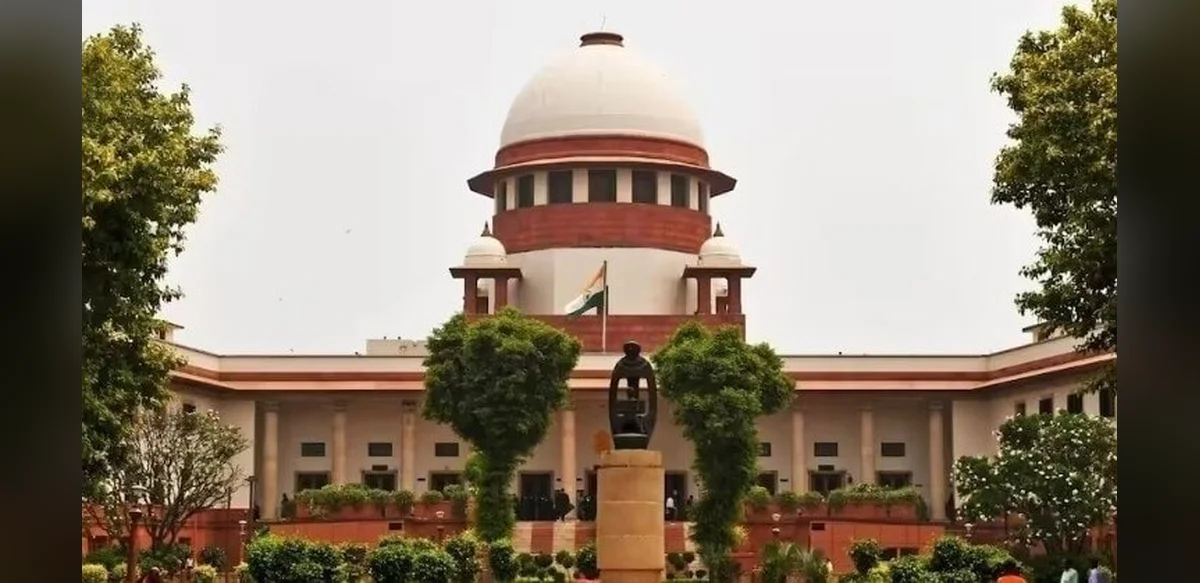
The Supreme Court is scheduled to take up a set of petitions today at 2 PM that challenge restrictions imposed on a planned protest in the national capital. The matter involves curbs announced ahead of a demonstration organized by a civil rights group. Justices have indicated that the hearing will focus on finding an appropriate equilibrium between the right to assemble peacefully and the need to maintain public order.
Petitioners argue that the limitations placed on the event are excessive and may infringe upon fundamental freedoms guaranteed under the Constitution. They contend that prior restraints on demonstrations should be applied only in exceptional circumstances and with clear justification. The court is expected to review the specific conditions set by local authorities, including limits on the number of participants, designated routes, and timing of the gathering.
Authorities in Delhi have cited concerns over traffic congestion, potential disruption to essential services, and the possibility of law-and-order issues as reasons for the restrictions. Officials maintain that the measures are proportionate and necessary to ensure safety for all residents. The administration has stated that alternative venues or adjusted timings could be considered to accommodate the protest while minimizing inconvenience to the public.
Legal experts note that similar cases in the past have led the apex court to emphasize the importance of balancing individual liberties with collective interests. Precedents suggest that blanket bans are generally disfavored, while reasonable regulations on time, place, and manner are often upheld if they serve a legitimate purpose. The upcoming hearing is likely to revisit these principles in the context of the current dispute.
The protest in question is understood to relate to issues of justice and accountability. Organizers have expressed their intention to conduct the event peacefully and within the bounds of the law. They have urged participants to adhere to guidelines that prevent any escalation or harm to property or individuals.
Observers anticipate that the court’s observations during the brief hearing could provide clarity on the scope of permissible restrictions ahead of the scheduled demonstration. The matter is listed for urgent consideration, reflecting the time-sensitive nature of the pleas. No final order has been passed yet, and all parties will have an opportunity to present their positions.
This development comes amid ongoing discussions about the exercise of protest rights in urban centers. Civil society groups have called for transparent processes when imposing limitations, while law-enforcement agencies stress the practical challenges of managing large-scale events in densely populated areas. The Supreme Court’s intervention is seen as an opportunity to reinforce established legal standards.
Further details are expected to emerge once the bench concludes its examination of the submissions. The outcome may influence how similar requests for demonstrations are handled in the future across different states. Stakeholders from both sides have welcomed the opportunity for judicial review, describing it as a constructive step toward resolving the impasse.
In the interim, the administration has reiterated its commitment to facilitating lawful assembly while safeguarding public welfare. Petitioners continue to seek relief that would allow the protest to proceed with minimal alterations to the original plan. The hearing at 2 PM is therefore viewed as a critical juncture in the ongoing dialogue between rights and responsibilities.


