

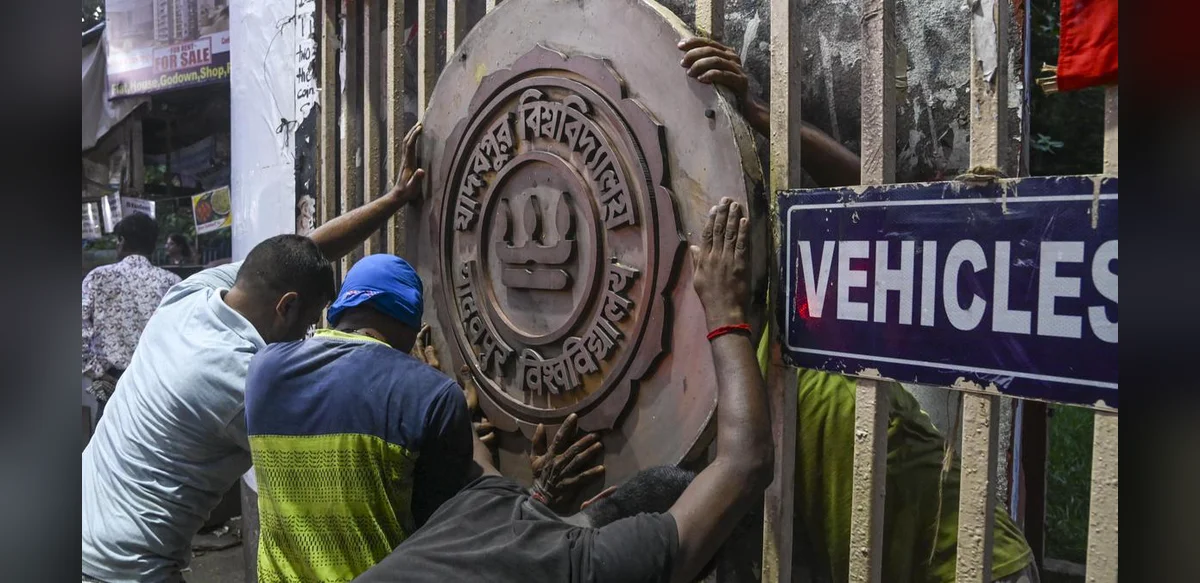
Recent developments at a prominent educational institution in Kolkata have highlighted divisions among student organizations. The disagreement centers on plans for a general body meeting and questions about authority to organize such events. One group maintains that established procedures must be followed strictly while another insists on the right to convene discussions. This situation emerged on a Wednesday in mid August and has drawn attention to the absence of formal student representation structures at the university.
The core issue involves differing interpretations of campus rules regarding meetings. Supporters of one perspective argue that without an active student union no group holds the mandate to call assemblies. In contrast those proposing the meeting view it as a necessary step for addressing collective concerns. Both sides have expressed their positions clearly leading to a standoff that affects daily campus life.
Observers note that such disputes are not uncommon in higher education settings where political affiliations influence student activities. The current episode underscores ongoing debates about representation and legitimacy. University administrators have yet to issue detailed statements but the matter continues to be discussed among various stakeholders.
Background information reveals that the institution has a history of vibrant student engagement. Over the years different organizations have played roles in campus affairs. However the lack of a recognized union at present creates ambiguity in procedural matters. This ambiguity appears to be the primary trigger for the present disagreement.
Efforts to resolve the matter may involve dialogue between the involved parties. Neutral mediation could help clarify the guidelines for future gatherings. Until then the campus remains in a state of heightened awareness with students monitoring updates closely.
The episode also raises broader questions about student governance in Indian universities. Clear frameworks for unions and meetings can prevent misunderstandings. In this case the absence of such a framework has contributed directly to the conflict. Stakeholders hope for a swift clarification to restore normalcy.
Community members outside the campus have shown limited involvement so far. The focus remains internal with emphasis on maintaining order and respecting institutional norms. Reports indicate that classes and other academic activities continue without major interruption despite the tension.
Looking ahead the outcome of this dispute could set precedents for similar situations elsewhere. Universities across the country watch such developments for insights into managing student affairs. A balanced approach that acknowledges all viewpoints may offer the best path forward.
In summary the situation at the Kolkata institution stems from a procedural disagreement over a proposed meeting. One side cites the lack of a formal union while the other seeks to proceed with discussions. Continued monitoring and potential administrative guidance will determine how events unfold in the coming days.


