


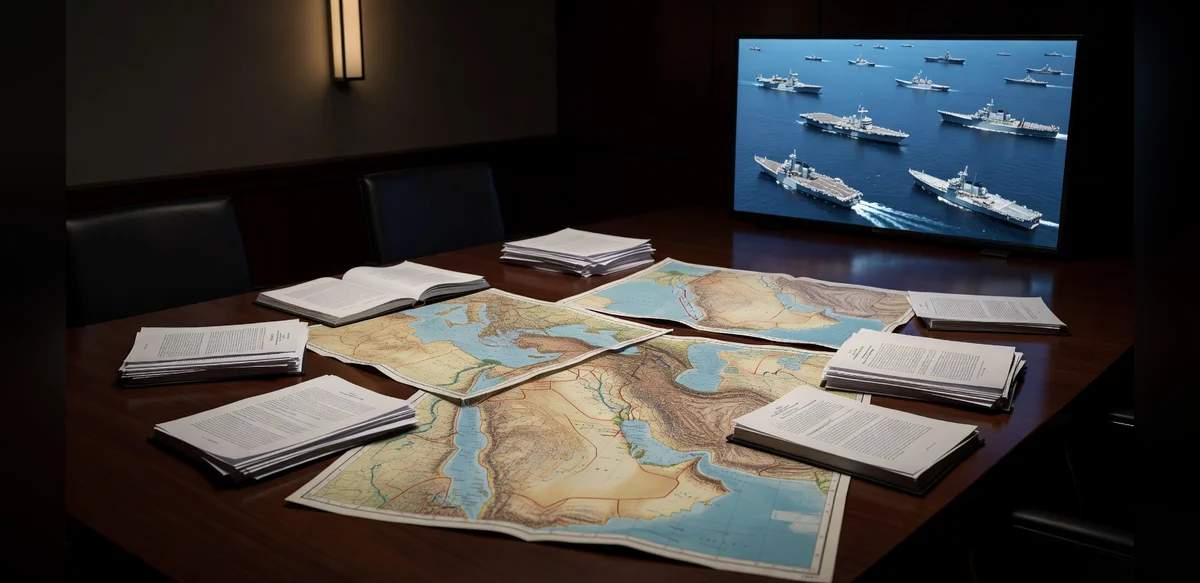
With the temporary truce between the United States and Iran set to conclude at midnight on April 22, President Donald Trump has presented a critical choice to Tehran, combining potential benefits with serious threats. During a CNBC interview, Trump described the U.S. as holding a dominant position in negotiations aimed at resolving almost 50 years of strained relations.
He stated that the U.S. is managing the situation effectively and suggested a positive outcome is achievable. Trump urged Iran to negotiate wisely, noting it could restore the country to prosperity and strength, emphasizing the talent of its citizens and the need for rational decision-making.
On the truce deadline, Trump was firm, indicating no extension would occur and expressing readiness to resume military operations if needed. He described the approach as strategically advantageous.
Trump commended the U.S. naval restrictions on Iran as effective in applying leverage before any agreement. In a social media update, he highlighted military successes and progress in the confrontation.
Uncertainty surrounds the planned negotiations in Islamabad, Pakistan. Trump mentioned a U.S. team, including the vice president and key advisors, was heading there, but their arrival remains unconfirmed, leading to questions about the talks’ status.
Accusations of breaches have intensified. Trump claimed Iran violated the truce multiple times, while Iran accused the U.S. of the same, particularly after American forces intercepted an Iranian ship in the Gulf of Oman, which Tehran called piracy. The U.S. maintained the action addressed blockade evasion.
Iranian officials rejected Trump’s statements as misleading. A senior military figure asserted that Iranian actions had weakened U.S. and Israeli positions, forcing the truce request, and pledged to counter any false depictions, especially concerning key waterways.
Iran has not confirmed participation in the Pakistan talks. A prominent parliamentary leader declared that discussions cannot proceed amid intimidation, citing U.S. actions like the ship seizure as violations.
As the deadline approaches, the outcome of diplomacy in Islamabad will determine if an agreement emerges or if hostilities resume.

