

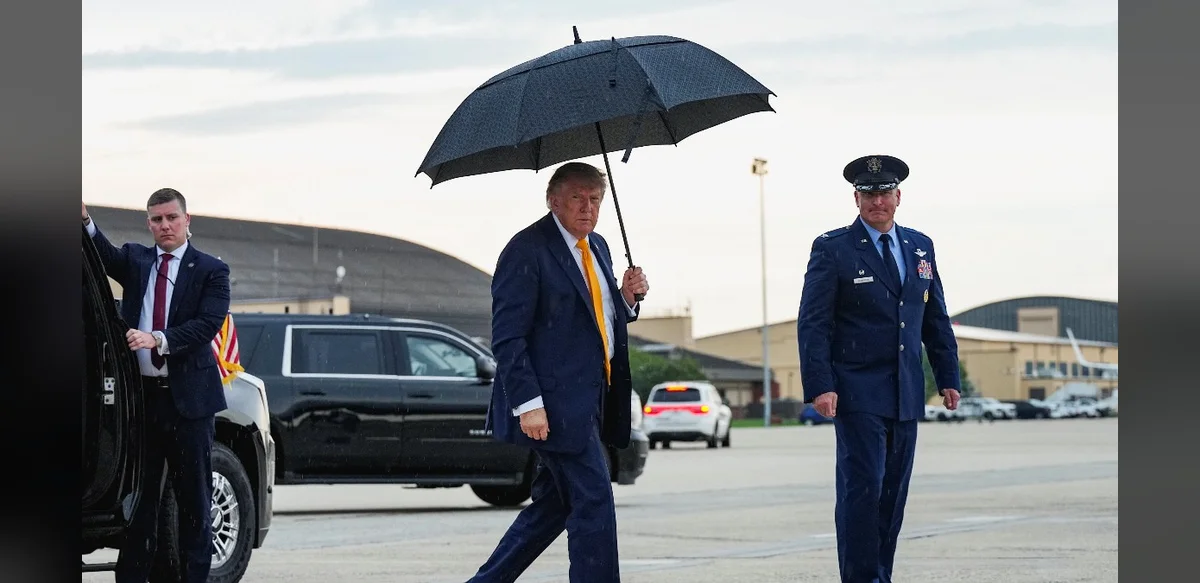
Recent statements from former President Donald Trump have drawn attention to the possibility of military action against an Iranian nuclear installation located deep underground. In remarks made public, Trump indicated that the United States could target the site known informally as Pickaxe in the near future. The comments come amid ongoing international concerns regarding Iran’s nuclear activities and the security of facilities built beneath mountainous terrain.
The warning highlights the strategic challenges associated with addressing nuclear programs that are protected by significant geological barriers. Such locations are designed to withstand conventional attacks, requiring specialized planning and advanced capabilities for any potential operation. Officials have long monitored developments at these sites, which are believed to house critical components of Iran’s nuclear infrastructure.
Analysts note that the language used by Trump suggests a readiness to escalate if diplomatic or other measures fail to address perceived threats. The reference to striking “very soon” has prompted discussions among policymakers and security experts about the implications for regional stability in the Middle East. Iran has consistently maintained that its nuclear program serves peaceful purposes, though international observers remain divided on the extent of compliance with global nonproliferation standards.
This development occurs against a backdrop of fluctuating relations between the United States and Iran, marked by periods of negotiation and heightened tensions. Previous administrations have pursued a mix of sanctions, agreements, and military posturing to influence Iran’s nuclear trajectory. The current remarks add another layer to these dynamics, potentially affecting ongoing talks involving multiple nations.
Security assessments emphasize the technical difficulties involved in any operation targeting deeply buried facilities. Engineers and military planners must account for reinforced structures, advanced detection systems, and the risk of unintended consequences such as environmental contamination or broader conflict escalation. Public statements like the one issued by Trump serve to signal resolve while also influencing perceptions among allies and adversaries alike.
International reactions have varied, with some governments calling for restraint and renewed diplomatic efforts. Others have expressed support for measures that deter nuclear proliferation. The situation underscores the delicate balance between deterrence and the avoidance of direct confrontation in a volatile geopolitical environment.
Further details on the specific capabilities of the Pickaxe site remain limited in public discourse, reflecting the classified nature of intelligence assessments. Experts continue to evaluate satellite imagery, seismic data, and other indicators to gauge activity levels at suspected nuclear locations. As events unfold, the focus remains on preventing escalation while addressing legitimate security concerns shared by the global community.
In summary, the statements attributed to Trump represent a notable development in the discourse surrounding Iran’s nuclear ambitions. They highlight the persistent challenges of verification, enforcement, and strategic communication in matters of international security. Observers will be watching closely for any follow-up actions or clarifications that could shape the trajectory of U.S.-Iran relations and broader nonproliferation efforts.


