


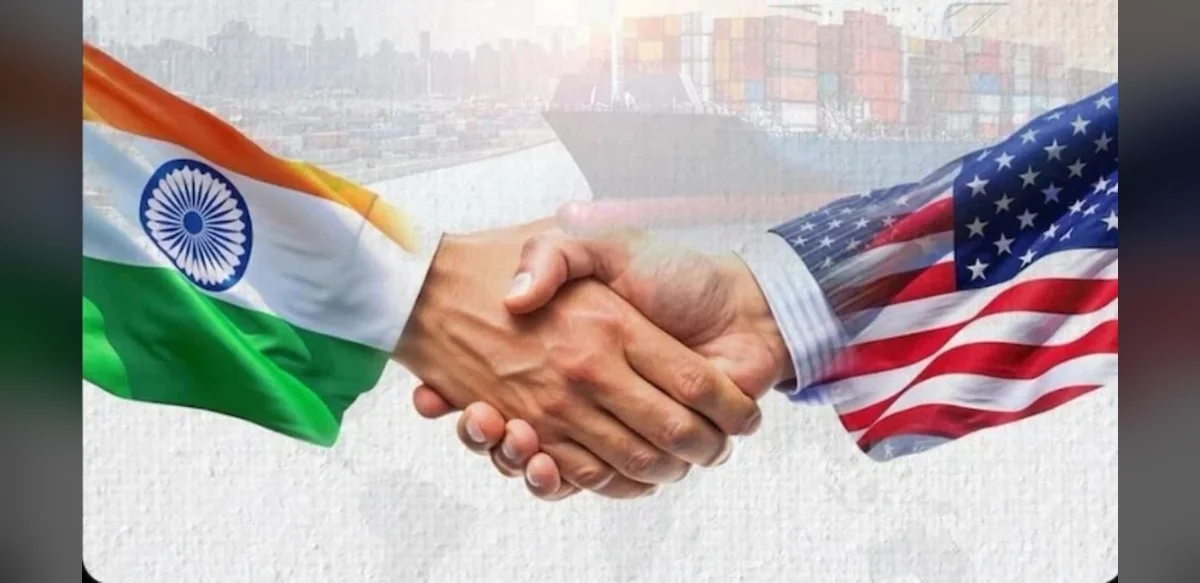
The United States has conveyed assurances to India that it will receive more favorable tariff treatment compared to competing economies as bilateral trade negotiations approach completion. Officials from both sides have been engaged in detailed discussions aimed at finalizing an agreement that could reshape commercial relations between the two countries.
Sources familiar with the talks indicate that the proposed framework emphasizes mutual market access while addressing longstanding concerns over duties on key sectors such as pharmaceuticals, textiles, and agricultural products. Indian negotiators have sought reductions that would enhance export competitiveness without compromising domestic industries.
The assurance regarding lower tariffs relative to rivals is viewed as a significant development. It comes amid broader global trade realignments where multiple nations are pursuing preferential arrangements. Analysts suggest this could position India advantageously in supply chain diversification efforts currently underway by American companies.
Negotiations have covered a range of issues including intellectual property protections, digital trade rules, and investment facilitation measures. Progress has been steady over recent months, with both governments expressing optimism about concluding the deal in the near term.
Indian exporters stand to benefit from improved entry into the American market under the anticipated terms. Sectors like information technology services and manufacturing components are expected to see particular gains if the agreement is ratified as planned.
On the American side, the deal is anticipated to open opportunities for increased sales of energy products, machinery, and high-value goods to India. This aligns with efforts to strengthen economic ties between the world’s two largest democracies.
The process has involved multiple rounds of virtual and in-person meetings between trade representatives. Technical working groups have addressed specific tariff lines and non-tariff barriers to ensure comprehensive coverage.
Observers note that the timing coincides with shifting geopolitical dynamics, where economic partnerships are increasingly intertwined with strategic considerations. The outcome could influence regional trade patterns across Asia and beyond.
Both governments have maintained a cautious public stance while talks continue, avoiding detailed disclosures that might affect ongoing bargaining positions. Statements have focused on shared commitment to fair and balanced commerce.
Industry associations in India have welcomed the reported progress, calling for swift finalization to provide certainty for business planning. Similar sentiments have been expressed by American chambers of commerce involved in bilateral trade.
Should the agreement be signed, implementation timelines would likely include phased reductions in tariffs over several years. Monitoring mechanisms are also expected to be established to handle any disputes that arise post-ratification.
The development underscores the importance of sustained dialogue in resolving complex trade frictions. It reflects a pragmatic approach by both nations to expand economic cooperation while navigating domestic policy priorities.
Further updates are anticipated as the final stages of negotiation unfold, with potential announcements expected from senior officials in the coming weeks.

