


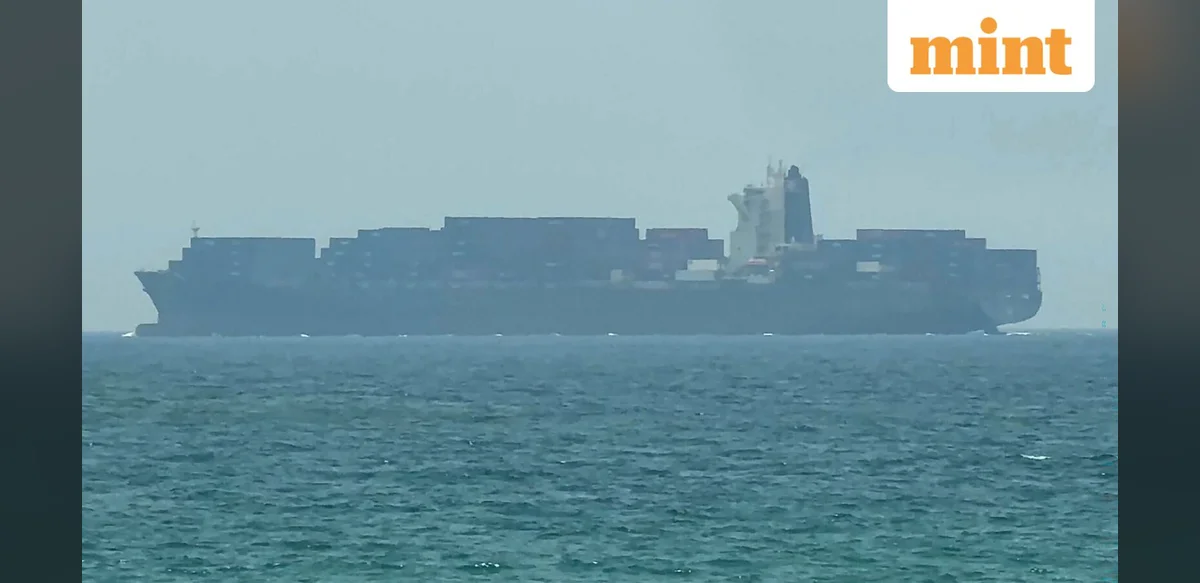
The United States carried out another series of airstrikes against Iranian targets on Sunday, seeking to limit Tehran’s capacity to endanger commercial vessels passing through the Strait of Hormuz. Washington and Tehran offered differing accounts on whether the waterway stayed accessible to traffic.
The newest attacks occurred hours after Iran fired missiles and drones toward several Gulf nations that host US forces, further undermining efforts to maintain a ceasefire.
The US Central Command stated that operations started at 5 p.m. Eastern Time following presidential direction. Officials indicated the goal remained reducing Iran’s ability to strike civilian ships in the area.
Iranian media reported later strikes hitting military sites on Qeshm Island with no reported deaths, while attacks on Farur Island resulted in one fatality and two injuries at a communications facility.
Earlier, US forces had already hit roughly 140 Iranian military locations including missile and drone sites, storage areas, and communication nodes. The stated purpose was protecting international shipping lanes.
Iran responded to prior US actions by targeting facilities in Bahrain, Kuwait, Qatar, Jordan, and Oman. Qatar reported intercepting projectiles with some debris causing minor injuries. Kuwait noted damage to border posts and an offshore platform. Jordan confirmed three missiles landed with limited property effects. Oman described nearby drone activity as irresponsible.
Iran maintained that the Strait of Hormuz had been closed due to US military movements and would stay shut until stability returned. The United States countered that the passage remained open for lawful traffic.
Disruptions in the strait carry broad implications because about one-fifth of global oil and gas shipments transit the route.

