

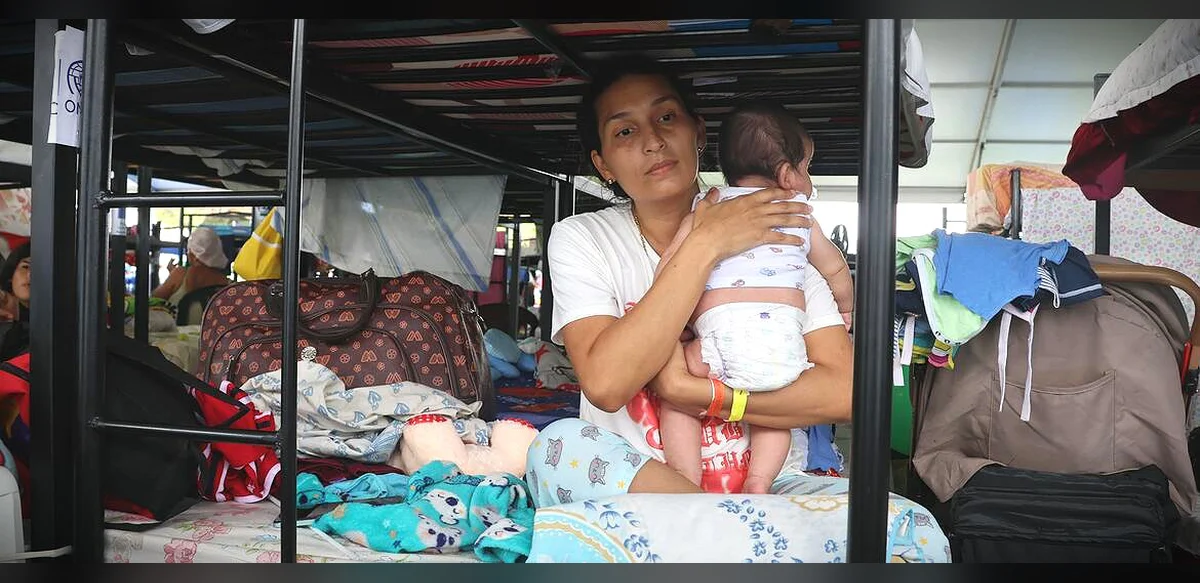
Venezuela faces overlapping challenges that strain resources and heighten vulnerabilities across the population. Recent seismic events have impacted more than thirty thousand pregnant women while also resulting in recorded instances of sexual violence. Responding to these effects requires immediate attention to prevent further harm.
The situation underscores the importance of considering gender when planning relief efforts. Women in reproductive stages encounter distinct obstacles during emergencies, including limited access to medical care and heightened risks in unstable environments. Data from the affected areas indicate that these issues demand targeted interventions to ensure safety and well-being.
Compounding factors such as economic pressures and infrastructure damage amplify the difficulties. Pregnant individuals require consistent prenatal support, nutritional provisions, and secure spaces, all of which become harder to maintain amid widespread disruption. Sexual violence cases add another layer of urgency, calling for confidential reporting mechanisms and specialized assistance programs.
Relief organizations emphasize that standard response protocols may overlook these specific needs if not adjusted accordingly. Incorporating a focus on gender helps identify gaps in service delivery and promotes more equitable outcomes. For instance, mobile health units equipped for maternal care can reach isolated communities more effectively.
Local authorities and international partners have begun coordinating to expand these measures. Training for responders on recognizing signs of violence and providing appropriate referrals forms a key part of the strategy. Such steps aim to reduce long-term consequences for survivors and their families.
Public health experts note that early action in these areas can mitigate broader societal impacts. Untreated health concerns or unaddressed trauma may lead to increased medical demands later. Therefore, integrating gender considerations into crisis planning supports overall recovery efforts.
Documentation of the events continues as assessments proceed. Figures on affected pregnancies and violence incidents serve as baselines for monitoring progress. Transparency in reporting allows for adjustments in resource allocation based on emerging patterns.
Community involvement plays a role in sustaining these initiatives. Local groups familiar with cultural contexts can assist in outreach and trust-building, encouraging individuals to seek help without fear. This collaborative approach strengthens the reach of formal programs.
Challenges remain in scaling up services across regions with varying levels of access. Logistical hurdles, including transportation and supply chains, require ongoing attention. Yet sustained commitment to gender-sensitive strategies offers a pathway to more comprehensive support.
The call for urgent measures reflects the scale of the human impact. By prioritizing these aspects, responders can contribute to stability and resilience in the face of continued pressures. Future evaluations will help refine methods for similar situations elsewhere.


