

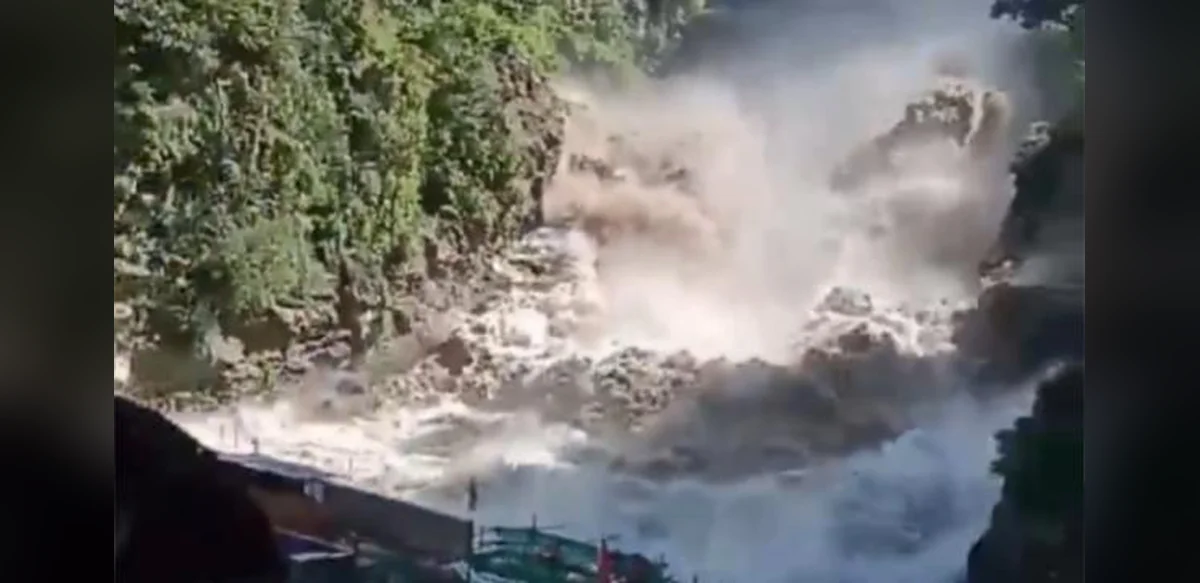
Recent discussions have emerged around the severe flooding that affected parts of Nepal, with some voices attributing the disaster to divine anger. Such interpretations have prompted closer examination of how Islamic teachings address natural calamities and human suffering.
Islamic theology emphasizes that natural events like floods, earthquakes, and storms occur as part of the world’s natural order. These phenomena are viewed as tests of patience and opportunities for communities to demonstrate compassion and solidarity. Scholars note that the Quran describes the world as operating under consistent natural laws established by the creator, rather than as direct interventions punishing specific populations.
Prophetic traditions further reinforce this perspective. Accounts from the life of the Prophet Muhammad highlight responses to hardship that focus on practical aid, reflection, and ethical conduct. Instead of assigning blame through supernatural explanations, these traditions encourage believers to support those in distress and to seek understanding through knowledge and action.
Attributing floods or similar events to targeted divine wrath risks oversimplifying complex theological concepts. Islamic sources stress mercy, justice, and the shared human experience of vulnerability to nature. Disasters affect people across faiths and regions, underscoring the importance of collective responsibility in disaster preparedness and relief efforts.
Experts in Islamic studies point out that historical interpretations have sometimes been misused during times of crisis. However, mainstream scholarship consistently rejects the notion that specific weather events represent selective punishment. This view aligns with broader principles of universal ethics found in religious texts, which prioritize human welfare and environmental stewardship.
In the context of Nepal’s recent floods, attention has turned to practical measures such as improved infrastructure, early warning systems, and international cooperation. These steps reflect values of care for the vulnerable that resonate with Islamic ethical teachings on community support and resilience.
Public discourse benefits from accurate representations of religious doctrines. Mischaracterizations can lead to unnecessary division at a time when affected communities require unified assistance. Religious leaders and commentators have called for measured language that respects both theological depth and scientific understanding of climate and geography.
The floods in Nepal have displaced families and damaged agricultural lands, highlighting ongoing challenges in mountainous regions prone to heavy monsoon rains. Relief organizations continue to coordinate supplies and medical care, efforts that embody the spirit of service emphasized in many faith traditions.
Moving forward, discussions around faith and natural disasters may benefit from interdisciplinary approaches. Combining insights from theology, environmental science, and humanitarian practice can foster more constructive conversations. This approach avoids reductive explanations while honoring the moral imperatives present in religious teachings.
Ultimately, the emphasis remains on compassion and informed response rather than speculative attributions. By focusing on shared humanity and actionable support, communities can navigate the aftermath of such events with dignity and purpose.


