

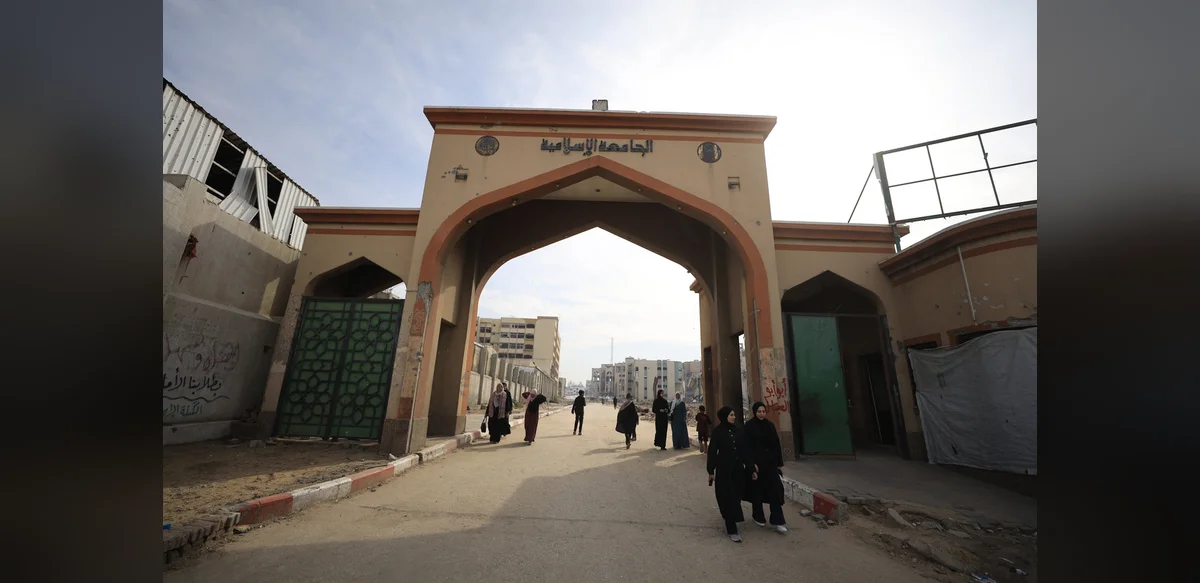
Belgium’s migration minister has stated opposition to a proposal that would allow 13 Palestinian students from Gaza to enter the country for educational purposes. The announcement comes amid ongoing discussions about humanitarian pathways and visa policies for individuals affected by conflict in the region.
Officials indicated that the decision reflects concerns over security assessments and the broader framework governing temporary protection measures. The minister emphasized that existing procedures must be followed strictly, with each case evaluated individually based on established criteria.
The students in question were reportedly selected through academic programs aimed at providing opportunities for those displaced by recent events. Supporters of the initiative argued that such placements could offer stability and access to higher education during a period of instability.
Critics within government circles highlighted potential challenges in verifying backgrounds and ensuring compliance with immigration rules. They noted that any exception could set precedents affecting future applications from similar conflict zones.
Belgium has previously participated in European Union coordinated efforts to assist refugees and displaced persons. However, national authorities retain discretion over specific admissions outside standard asylum channels.
The proposal originated from academic institutions and advocacy groups seeking to facilitate short-term study visas. These groups suggested that the students would return to their home region once conditions permit, focusing on fields such as engineering, medicine, and social sciences.
Government statements stressed the importance of maintaining consistent application of migration laws across all nationalities. They pointed to ongoing reviews of policies related to temporary residence permits and integration requirements.
International organizations monitoring the situation in Gaza have called for expanded educational access for young people impacted by the conflict. Some reports estimate thousands of students have had their studies interrupted due to infrastructure damage and movement restrictions.
Belgian lawmakers are expected to debate the matter further in upcoming parliamentary sessions. Opposition parties have signaled intentions to question the minister on the rationale behind the stance and possible alternatives.
Humanitarian agencies continue to advocate for flexible visa options in exceptional circumstances. They argue that targeted programs for students can contribute to long-term reconstruction efforts once stability returns.
The minister’s position aligns with a cautious approach to expanding entry permissions during periods of heightened global migration pressures. Similar debates have occurred in neighboring countries regarding admissions from conflict-affected areas.
Public reaction has been mixed, with some citizens expressing support for educational opportunities and others prioritizing domestic resource allocation. Officials have urged calm discussion based on verified information rather than speculation.
Further details on the students’ profiles or the exact nature of the academic sponsorship remain limited. Authorities have declined to release additional personal information citing privacy protections.
This development occurs against a backdrop of evolving European policies on migration and asylum. The European Commission has encouraged member states to share best practices while respecting national sovereignty in decision-making.
Analysts suggest the case may influence future proposals involving Palestinian applicants or those from other regions experiencing prolonged instability. Clear guidelines on eligibility and oversight will likely be refined as a result.
The ministry has reiterated its commitment to humanitarian principles within the bounds of legal frameworks. It continues to process standard applications from various countries according to established protocols.
Stakeholders on both sides of the issue are preparing submissions for the scheduled discussions. The outcome could shape Belgium’s role in international student mobility initiatives tied to conflict zones.
Overall, the episode underscores the complexities of balancing compassion with regulatory responsibilities in contemporary migration management. Policymakers face ongoing pressure to address both immediate needs and systemic considerations.


