

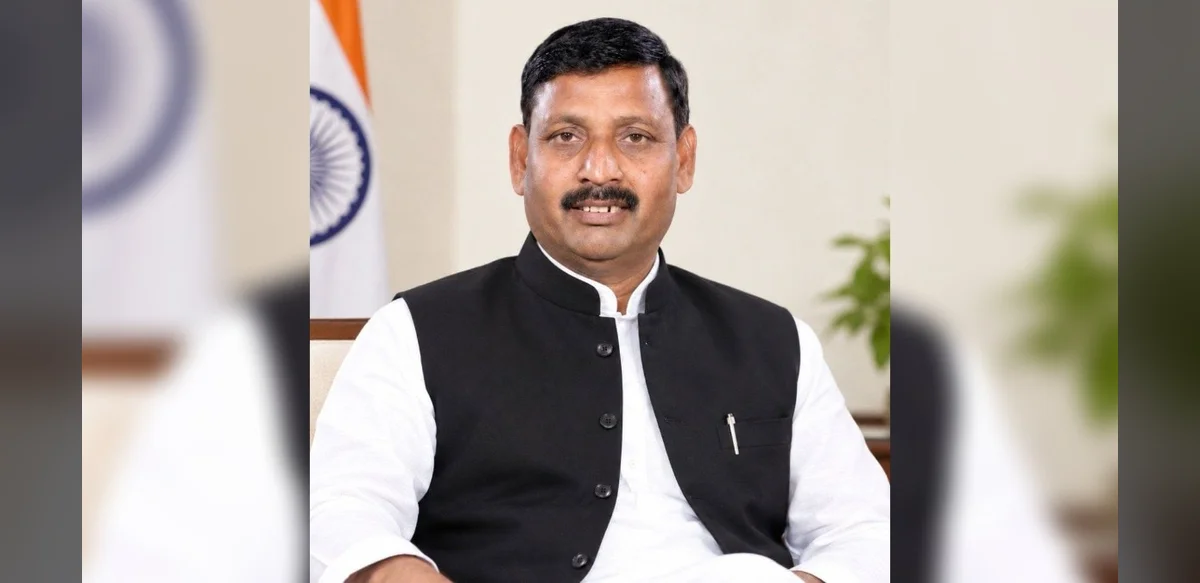
A senior member of the Bharatiya Janata Party has indicated a possible exit from the organization following the omission of his name from the latest list of candidates for the upper house of parliament. The development has drawn attention within political circles in Uttar Pradesh, where the individual previously held ministerial responsibilities and represented the party in the legislative assembly.
The announcement came through public remarks that referenced a farewell to the party, using colloquial language to convey disappointment over the decision. Observers note that such statements often precede formal resignations or shifts in allegiance, particularly ahead of upcoming electoral cycles in the state. The Rajya Sabha selections typically reflect internal party priorities and alliances, and exclusions can lead to internal friction.
Background details show the leader had been active in regional politics for several years, contributing to organizational efforts in his constituency. His tenure included roles that involved oversight of local development initiatives and coordination with central leadership on policy matters. Colleagues have described him as a dedicated worker who maintained strong grassroots connections.
Reactions from within the party remain measured, with senior figures emphasizing that nomination lists are finalized after extensive consultations. Some analysts suggest the episode highlights the competitive nature of ticket distribution in a large organization where multiple aspirants vie for limited positions. Similar situations have occurred in the past, sometimes resulting in temporary dissatisfaction that is later resolved through dialogue.
The broader context involves preparations for future parliamentary and assembly elections, where seat-sharing arrangements and candidate selections play a decisive role. Political parties routinely balance representation across regions, communities, and experience levels when finalizing such lists. In this instance, the exclusion appears to have prompted an immediate public response from the affected individual.
Media coverage has focused on the potential implications for party unity in the affected region. Local reports indicate that supporters are monitoring developments closely, awaiting further clarification on whether the remarks represent a definitive break or an expression of frustration that could be addressed internally. Party spokespersons have avoided direct comment, preferring to let official channels handle any formal communications.
Historical patterns in Indian politics demonstrate that public hints of departure do not always lead to actual exits. Leaders have occasionally used such statements to negotiate better positions or to highlight perceived imbalances in decision-making processes. The coming days are expected to reveal whether discussions will take place to retain the leader or if alternative arrangements will be pursued.
The episode underscores the challenges faced by major political formations in managing expectations among their ranks. With multiple factions and interest groups operating simultaneously, maintaining cohesion requires continuous engagement at various levels. This case serves as one example of how nomination decisions can trigger visible reactions that extend beyond closed-door meetings.
Public interest in the matter stems from the individual’s prior visibility in state-level governance and legislative activities. His contributions to debates on infrastructure, agriculture, and social welfare programs had been noted in assembly records. Any change in affiliation could therefore influence local dynamics and voter perceptions in the relevant constituencies.
Overall, the situation remains fluid, with no official confirmation of resignation submitted as of the latest updates. Political watchers continue to track statements from both the leader and the party apparatus for signs of resolution or escalation. The episode adds to ongoing narratives around internal party management ahead of significant electoral events.


