


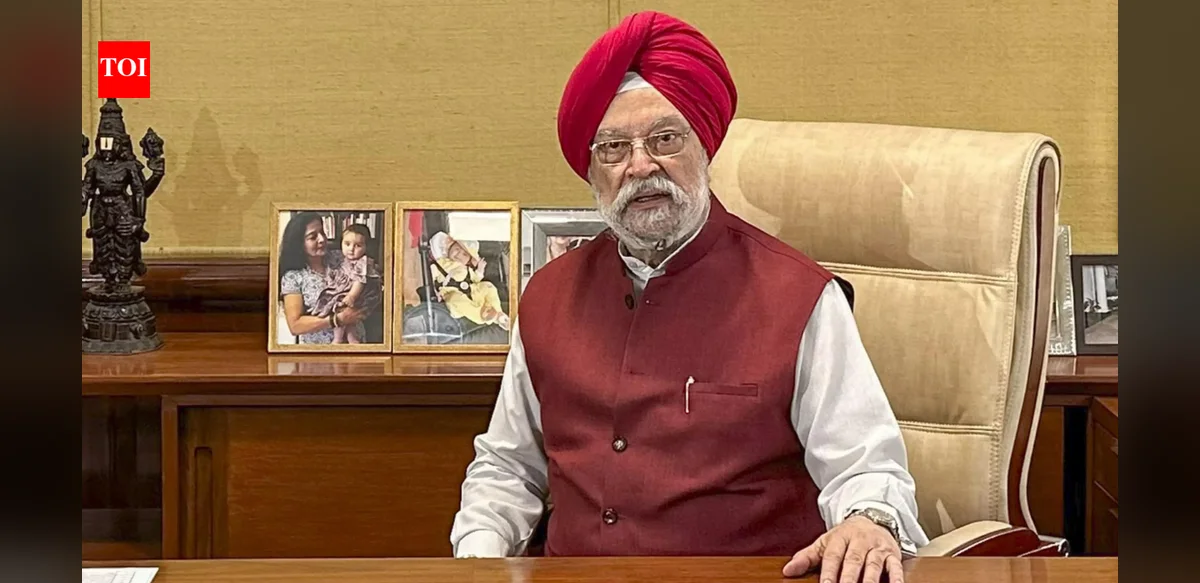
A senior figure associated with the Bharatiya Janata Party submitted his resignation from the Rajya Sabha position linked to Uttar Pradesh on Saturday. The move occurred shortly after the same individual secured election without opposition to represent Madhya Pradesh in the upper house of parliament. This sequence of events highlights routine adjustments in legislative representation that occur within India’s federal structure.
The Rajya Sabha serves as the Council of States and forms one half of the national legislature. Its members are chosen through indirect elections conducted by state assemblies for staggered six-year terms. One-third of the seats fall vacant every two years, creating regular opportunities for new or returning representatives. An unopposed election typically signals broad agreement among the electing members and avoids the need for a formal poll.
Uttar Pradesh holds a substantial number of seats in the upper house owing to its large population and political weight. Madhya Pradesh likewise maintains meaningful representation that influences national debates. Transitions between such seats can reflect strategic decisions by political organizations regarding regional balance and individual assignments.
The resignation itself follows established procedural norms. Once accepted, the vacancy will be filled according to the rules governing by-elections or nominations in the affected state. Observers note that such changes are part of the ordinary functioning of parliamentary democracy and do not necessarily indicate broader shifts in party strategy.
Public records show that the leader in question had been serving the Uttar Pradesh constituency prior to the recent development. The timing, coming days after the Madhya Pradesh outcome, underscores the administrative coordination required when representatives move between different state quotas.
India’s parliamentary system allows for flexibility in seat allocation across states, provided constitutional requirements are met. Party organizations often manage these movements to ensure effective participation in legislative work. The current case appears consistent with that established practice.
Further details regarding the acceptance of the resignation and the subsequent filling of the Uttar Pradesh seat are expected to emerge through official channels in the coming days. Until then, the episode remains a straightforward administrative matter within the larger framework of national politics.
Analysts emphasize that individual resignations and elections occur regularly and form a normal part of maintaining the composition of the upper house. They do not inherently alter the overall balance of power or policy direction at the national level.
The episode also illustrates the procedural aspects of India’s bicameral legislature. Both houses operate under rules designed to accommodate changes in membership while preserving continuity in law-making functions.
In summary, the resignation from the Uttar Pradesh seat and the prior unopposed election from Madhya Pradesh represent linked administrative steps taken by a senior party member. The events unfolded over a short period and followed standard parliamentary conventions without introducing new controversies.

