

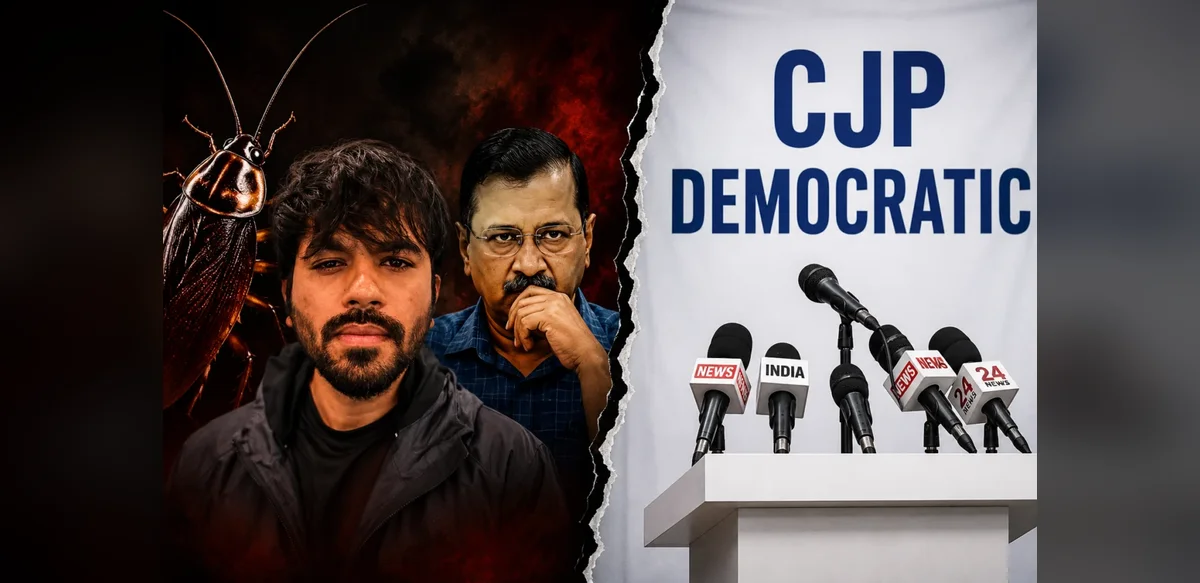
The Cockroach Janta Party has experienced a notable internal division with one group announcing the creation of a new entity called CJP-Democratic. This development follows accusations from the breakaway section that the original leadership shifted away from its volunteer-based origins toward greater centralized control. The split highlights tensions that have built up within the organization over decision-making processes and external influences.
According to statements from the rebel side, the movement began as a grassroots effort involving students, demonstrators, and online supporters focused on education-related concerns. Over time, however, a smaller group reportedly assumed leadership roles without broad input from participants. The new faction claims this change altered the movement’s character and reduced opportunities for wider involvement in key choices.
The original leadership has denied suggestions that it operates under the direction of any established political party. It maintains that the organization functions independently and continues to address issues such as school conditions and the qualifications of public figures. Both sides have presented differing accounts of recent events, leaving some details unverified by outside sources.
The rebel announcement emphasized a desire to restore broader representation. Proposals included selecting members from various regions to ensure geographic diversity in the national structure. Critics within the faction argued that previous selections occurred through limited channels that excluded many early supporters. They expressed interest in creating a framework where state-level voices hold greater weight.
Additional concerns raised by the breakaway group centered on the makeup of the existing national team. It was noted that certain communities and participant categories appeared underrepresented. Specific mentions included the absence of particular demographic groups and the limited presence of individuals from student backgrounds. Supporters of the original movement from various political backgrounds were also said to have felt sidelined after initial involvement.
Allegations regarding external political connections formed a central part of the dispute. The rebel faction pointed to links between several team members and one major political organization. They further claimed that a prominent political figure sought to steer the movement’s direction. These assertions remain unconfirmed and have been disputed by the established leadership, which rejects any characterization as an affiliate of other parties.
The founder of the original group responded by noting that critics have applied varying labels to the organization over time. He stressed its role as an independent platform for raising education issues. The response also addressed earlier comments from a climate activist who observed that individuals in public movements often hold personal aspirations, describing such ambitions as typical rather than unusual.
This division occurs as the movement transitions from online origins to organized protests and wider mobilization efforts. The emergence of competing structures now places questions of internal governance and future direction under increased examination. Both the established organization and the new faction face the task of maintaining support among volunteers who formed the core base.
Observers suggest the outcome may influence whether the focus remains on protest activities related to education or shifts toward more structured political engagement. The public exchange of claims between the two sides indicates ongoing challenges in resolving differences. For participants who joined early, the developments introduce uncertainty about the movement’s trajectory and organizational priorities moving forward.
The situation underscores broader patterns seen in volunteer-driven initiatives where rapid growth can lead to disagreements over leadership and strategy. As both groups seek to define their paths, attention may turn to how they engage with supporters across different states. The emphasis on consultation and representation continues to feature prominently in statements from the rebel side, while the original leadership reiterates its commitment to core issues without external affiliations.
Further developments are expected as each faction works to clarify its position and attract ongoing participation. The split represents a significant moment for an effort that gained attention through social media and street actions. Its resolution could shape similar movements that blend activism with organizational ambitions in the current political environment.


