


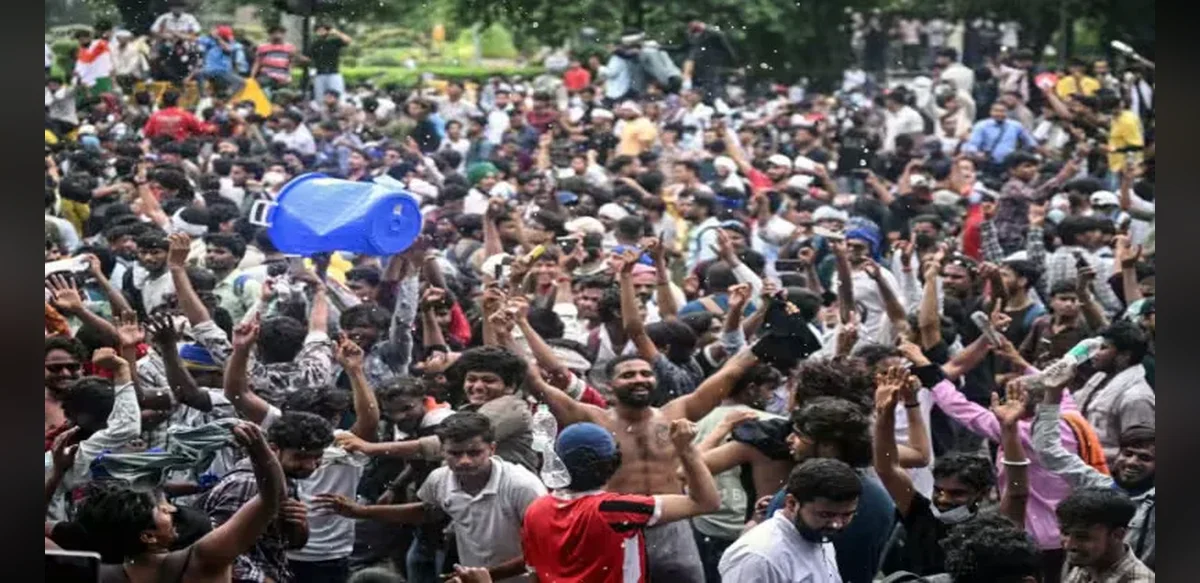
The phrase about a dying flame flutters fiercely before it goes out is sometimes used to describe leftist organizations today. As awareness grows of the turmoil linked to leftist ideology, many are moving away from it. Left-wing groups are losing influence and in a bid for relevance, they seek to create unrest and challenge societal norms. Leftist ideologies have been associated with millions of deaths worldwide over the years.
With their presence in India declining, these groups along with global market forces and some missionaries are said to be working with local elements to create chaos similar to events in Nepal, Bangladesh and Sri Lanka. They see India’s large youth population as a target to spark unrest that could affect society and the nation.
One activist known from the India Against Corruption movement is accused of fostering distrust to encourage protests and unlawful acts against constitutional principles. This time, the activist and associates described as radical leftists and Islamic fundamentalists are said to be using the NEET paper leak issue to influence students toward violence.
If the goal is educational reform and student welfare, the focus should be on implementing the National Education Policy 2020 introduced by the government. The policy, prepared with input from experts including former ISRO chief Kasturirangan, offers solutions to education system challenges.
Rather than protesting, attention should turn to the limited efforts by institutions and state governments to apply the policy and to measures preventing future paper leaks. Earlier incidents in various states have not drawn similar attention.
The stated objectives appear different, with the aim described as undermining the government and constitutional bodies to create public fear and damage the country’s image. Attacks on Hindu deities and traditions were noted during the events, along with slogans supporting terrorism, Pakistan and calls to break India. This raises questions about whether the protest was truly about educational reforms.
India has grown from a $1.7 trillion economy in its first 67 years to $4.2 trillion in the past 12 years. Progress is reported in space, defense and manufacturing, with rising foreign investment and more startups. Free trade agreements are expected to support further growth.
Infrastructure development continues at a fast pace. Such changes benefit youth, and unrest is viewed by investors as a risk that could affect commitments and lead to capital outflow.
Amendments to the Foreign Contribution Regulation Act have drawn opposition from groups accused of seeking to destabilize the country and from parties favoring religious conversion. Resistance to measures such as the Women’s Reservation Bill and delimitation is also noted, with student concerns used as a reason to disrupt proceedings.
Citizens are urged to examine motives behind issues and avoid being influenced by social media. A logical approach rather than emotional response is recommended, as sentiments of farmers, women, students and youth are often used to challenge national interests. A nation-first mindset is presented as necessary.
When protests turn violent, questions arise about the involvement of over 2,800 individuals described as anti-social elements who assaulted police.

