


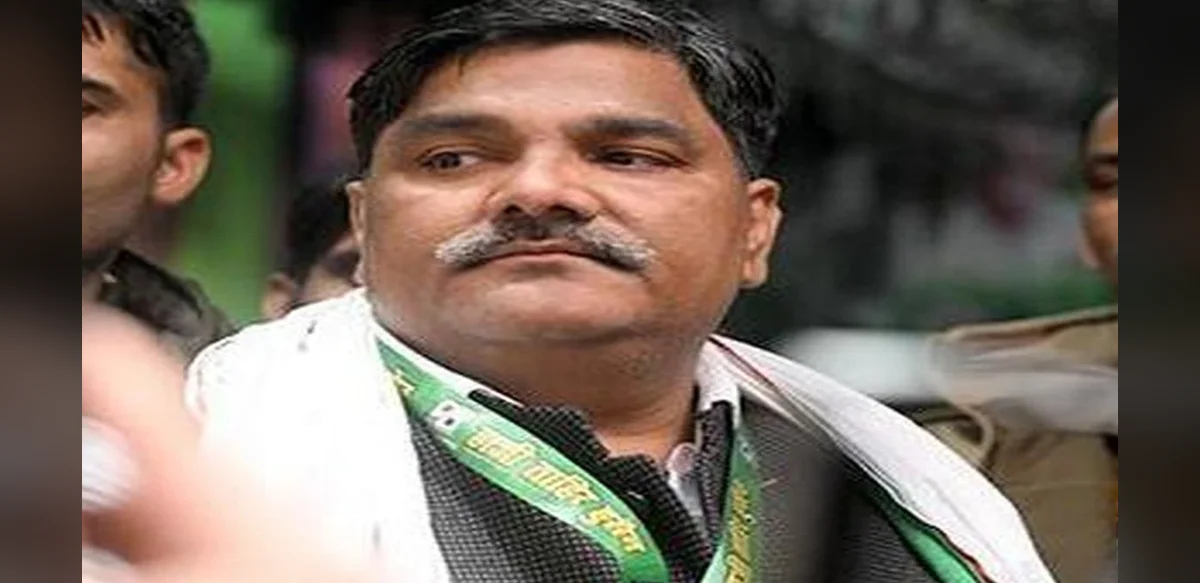
A Delhi court has found a former local representative from the Aam Aadmi Party guilty of abetment to rioting in connection with events from February 2020 in northeast areas of the capital. The decision marks the second such finding against the individual in matters stemming from that period of unrest.
The ruling came from Additional Sessions Judge Parveen Singh at Karkardooma Courts on a Saturday. The case originated from an FIR filed at Dayalpur police station. While the court held the former councillor responsible on the abetment charge, it cleared him of several other accusations listed in the same matter. Seven individuals named alongside him were acquitted entirely.
The unrest in question occurred in February 2020 across parts of northeast Delhi and involved incidents of violence, property damage and loss of life. The present verdict concerns a specific complaint alleging that a shop was broken into and set ablaze on 24 February 2020. The complainant reported losses of goods valued near seventeen to eighteen lakh rupees and additional building damage estimated at ten lakh rupees.
Another account mentioned in the prosecution materials referred to slogans raised during the disturbances. Investigators noted statements from two police personnel who said they recognised the former councillor at the scene because of his public role. He was taken into custody on 21 April 2020 while already in judicial custody at Mandoli Jail related to a separate matter.
The charges in the FIR included sections of the Indian Penal Code dealing with rioting, rioting while armed, unlawful assembly, mischief causing damage and criminal conspiracy. The detailed written order from the court is still awaited and is expected to outline the reasoning for the conviction on one count and the acquittals on others.
This outcome follows an earlier conviction in a separate case linked to the same period of violence, where the individual received a life sentence. The current proceeding is distinct and rests on the evidence presented in this particular FIR.
The acquittal of the seven co accused highlights that each person’s involvement must be assessed individually based on the material against them. The court’s findings do not extend blanket conclusions to every allegation contained in the original complaint.
Background details indicate that the violence affected multiple localities and led to numerous criminal cases. The present matter focused on property related offences at one location. The prosecution relied on witness statements and identification evidence to link the former councillor to the events.
Legal observers note that such verdicts contribute to the ongoing judicial examination of the 2020 incidents. The process continues to separate individual responsibilities through evidence based adjudication.
The case record shows that the complaint was lodged promptly after the incident. Police investigations included collection of statements and arrest procedures conducted according to established protocols. The court evaluated the available testimony before reaching its conclusions on each charge.
Further proceedings may follow once the full order is available. Parties involved retain the option to pursue higher judicial remedies if they choose. The verdict stands as one step in the broader series of trials arising from the February 2020 disturbances.
Public attention remains on the outcomes of these cases as they move through the judicial system. Each decision adds to the documented record of events and legal determinations made by the courts.
The former councillor’s legal situation now includes two convictions from separate FIRs connected to the same timeframe. The latest finding concerns only the abetment aspect in the Dayalpur case while clearing other charges and all co accused.
Reporting on such matters requires careful attention to the precise charges proved or not proved. The court’s selective conviction and acquittals reflect this principle of individual assessment.
Additional context from the prosecution described how the accused were identified during the investigation. The process followed standard investigative steps including witness examination and custody formalities.
The overall episode underscores the complexity of cases emerging from large scale disturbances. Courts continue to examine evidence case by case to determine accountability.
No new facts beyond those established in the judicial record have been introduced in this account. The narrative adheres strictly to the verdict details released so far.
Readers are advised that the complete reasoning will appear in the forthcoming written order. Until then, the operative part of the judgment remains the conviction on abetment and the acquittals noted above.
This development forms part of the continuing legal process surrounding the 2020 northeast Delhi events. Multiple cases remain at various stages of trial and appeal.

