


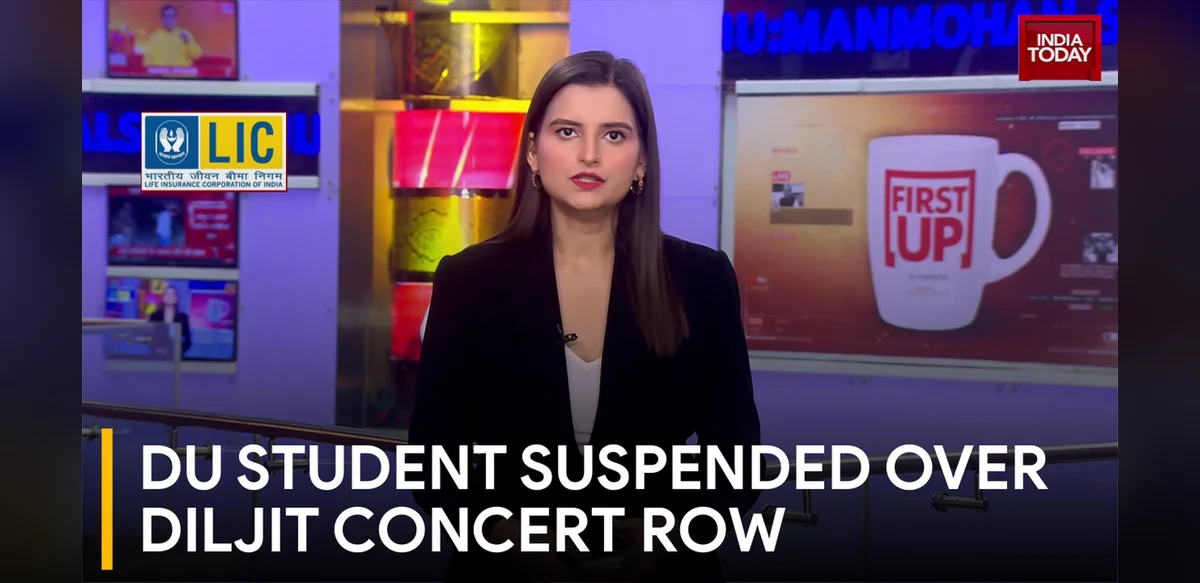
Reports have emerged regarding accusations against Anas Khan for allegedly offering cash and concert passes to female first-year students in connection with an upcoming event at Delhi University. The claims have sparked discussions across the campus and among student communities about conduct and event organization practices.
The controversy centers on the distribution of incentives tied to a musical performance scheduled to take place on university grounds. According to the allegations, certain female newcomers were approached with promises of monetary compensation and entry tickets. University officials have not yet issued an official statement confirming or denying the details of the claims.
Delhi University has a long history of hosting cultural and entertainment programs that draw large crowds from the student body. Such events often serve as opportunities for social interaction and community building among undergraduates. However, the current situation has raised questions about the methods used to promote attendance and ensure equitable access.
Student representatives have called for a thorough review of how event-related benefits are allocated. They emphasize the importance of maintaining transparent procedures that protect all participants from any form of undue influence. Several groups on campus have begun informal discussions to understand the scope of the reported offers.
The matter comes at a time when the university is preparing for multiple academic and extracurricular activities in the coming weeks. Administrators are reportedly examining existing guidelines on event management to determine whether any protocols were overlooked. This process is expected to involve consultations with various stakeholders including faculty members and student welfare committees.
Observers note that similar incidents involving promotional tactics at educational institutions have prompted broader conversations about ethical standards in student engagement. In this case, the focus remains on verifying the accuracy of the accusations and addressing any potential violations of institutional policies.
Local media outlets have begun covering the developments, highlighting the need for clear communication from university leadership. As more information surfaces, the situation may evolve with additional statements or investigations. The emphasis across reports continues to be on factual clarification rather than speculation.
Parents and guardians of affected students have expressed concern over the reported approaches. They advocate for stronger safeguards to prevent similar occurrences in future campus events. University support services are available for those seeking guidance on related matters.
The concert itself remains scheduled, with organizers working to finalize arrangements amid the ongoing dialogue. Attendance policies and ticketing procedures are under review to align with expectations of fairness and accessibility. This episode underscores the complexities of managing large-scale student activities in a prominent academic setting.
Further updates are anticipated as the university conducts its internal assessment. The goal is to resolve the concerns while preserving the positive aspects of cultural programming that enrich campus life. All parties involved are encouraged to participate in constructive exchanges that prioritize student well-being and institutional integrity.
In the broader context of higher education in the region, such controversies occasionally arise and serve as reminders of the importance of oversight in event planning. Delhi University continues to balance its academic mission with opportunities for student recreation and expression. The current allegations will likely contribute to refinements in how incentives and promotions are handled going forward.
Community members are monitoring the situation closely, hoping for a resolution that reinforces trust in university processes. Neutral observers stress the value of evidence-based responses over hasty judgments. As the story develops, the focus stays on maintaining a balanced perspective that respects all individuals connected to the institution.

