

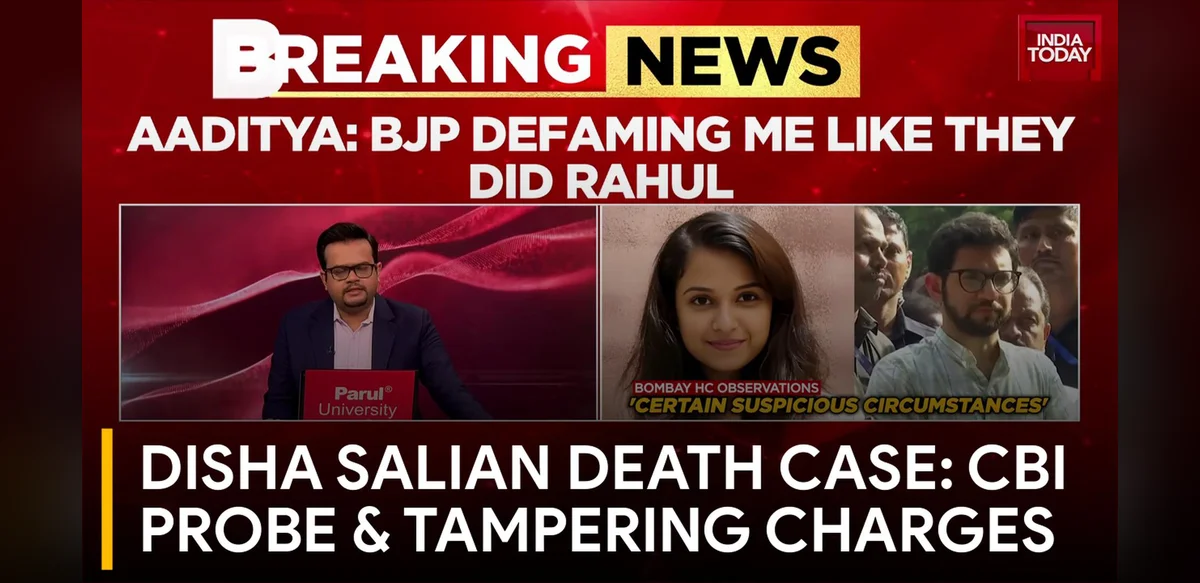
The case involving the death of Disha Salian has drawn renewed attention with fresh demands for a Central Bureau of Investigation probe. Observers note that several groups have raised questions about the handling of evidence in the matter. Reports indicate that allegations of tampering have surfaced in recent discussions surrounding the investigation.
Authorities have so far maintained that the initial inquiry followed standard procedures. However, calls for a central agency to take over have grown louder in certain circles. Supporters of the demand argue that an independent review could address concerns about the completeness of the record.
Legal experts point out that shifting a case to the CBI requires specific grounds and approvals from higher authorities. The process involves formal requests and assessments of whether local agencies have the capacity to handle complex elements. No official decision on any transfer has been announced at this stage.
Public statements from various quarters have highlighted the need for transparency in all aspects of the probe. Families and advocates involved have expressed a desire for thorough examination of available materials. At the same time, officials continue to emphasize that investigations must remain free from external pressure.
Media coverage of the developments has focused on the procedural aspects rather than unsubstantiated claims. Journalists have sought clarification from police and legal representatives regarding the status of evidence. Responses have generally reiterated commitment to due process.
The matter remains under active consideration by relevant bodies. Further updates are expected as authorities review the submissions made so far. Observers advise caution against drawing conclusions before all facts are verified through established channels.
In similar past instances, central agencies have been assigned cases only after detailed evaluation. This approach helps ensure that resources are allocated appropriately and that investigations maintain credibility. The current situation appears to follow that pattern of careful assessment.
Stakeholders continue to monitor developments closely. Any decision on expanding the scope of the inquiry will likely be communicated through official channels. Until then, the focus stays on preserving the integrity of existing records and statements.
Neutral reporting on the topic underscores the importance of verified information over speculation. Readers are encouraged to rely on updates from authorized sources for accurate details. The case continues to evolve within the framework of established legal norms.


