


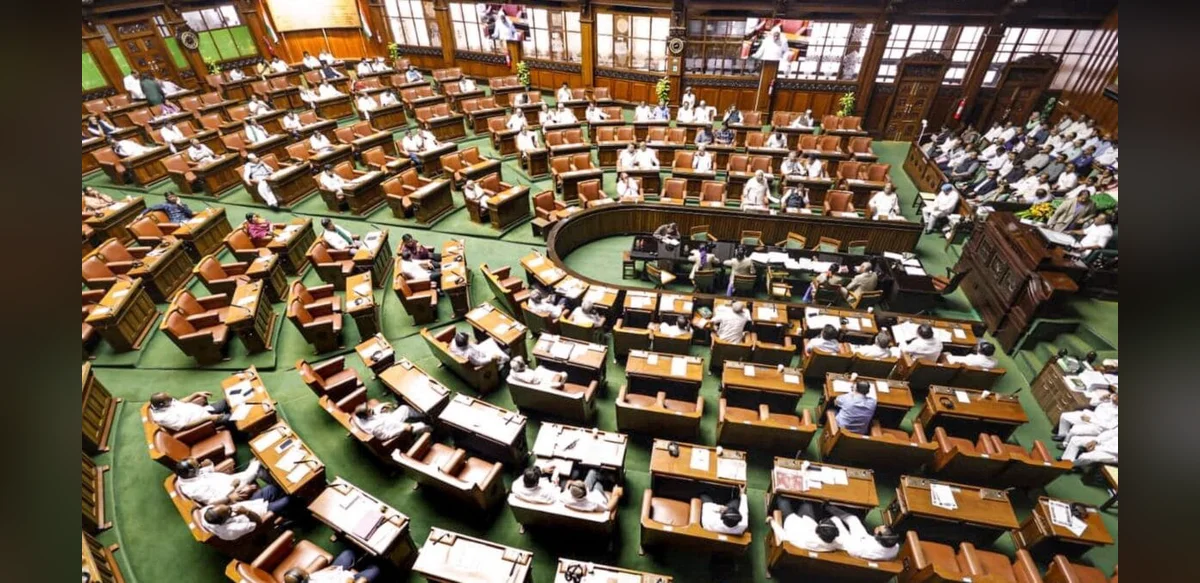
A disagreement unfolded during a session of the Karnataka Legislative Assembly when the national song received only a limited performance. Lawmakers affiliated with one opposition group voiced strong objections to the abbreviated presentation. In response, several members rose from their seats and initiated vocal protests through chants. They then took it upon themselves to complete the performance by delivering the additional verses aloud within the chamber.
The incident highlighted ongoing sensitivities surrounding national symbols and their proper observance in official proceedings. Assembly records indicate that the song was introduced at the start of the day’s business but concluded after the initial two sections. This prompted immediate reactions from the affected legislators, who argued that full respect required the entire composition.
Observers noted that the event disrupted normal proceedings for several minutes as the group continued their rendition. Presiding officers attempted to restore order, though the spontaneous singing persisted until the verses were finished. No physical altercations occurred, and the session eventually resumed its scheduled agenda.
Such occurrences underscore the importance placed on ceremonial elements in legislative environments across the country. Participants maintained that adherence to established protocols ensures appropriate recognition of cultural and national traditions. The episode drew attention from other members present, some of whom observed quietly while others engaged in brief discussions afterward.
In the broader context of state politics, moments like these often reflect deeper alignments on issues of identity and protocol. The assembly, as a key institution for regional governance, serves as a forum where such expressions can surface during routine activities. Officials later confirmed that the matter was noted in the official proceedings but did not lead to further formal action on the same day.
Journalists covering the session reported that the atmosphere remained charged yet contained, with no escalation beyond the vocal demonstration. This approach allowed the legislators to register their position without halting business indefinitely. Similar instances in other assemblies have occasionally prompted reviews of procedural guidelines to prevent recurrence.
The national song holds a distinct place in public life, often performed at the conclusion of official events to foster unity. Its structure, consisting of multiple stanzas, is intended to be rendered completely when time permits. In this case, the abbreviated version led directly to the described response from the group involved.
Moving forward, assembly staff may consider adjustments to timing or announcements to accommodate full performances where feasible. This ensures that all participants can engage respectfully with the established customs. The event itself remained limited in scope and did not extend beyond the chamber walls on that occasion.
Overall, the occurrence serves as a reminder of the role that symbolic acts play in maintaining decorum and shared values within democratic institutions. Lawmakers from various affiliations continue to navigate these expectations during daily sessions, balancing legislative priorities with ceremonial obligations.


