

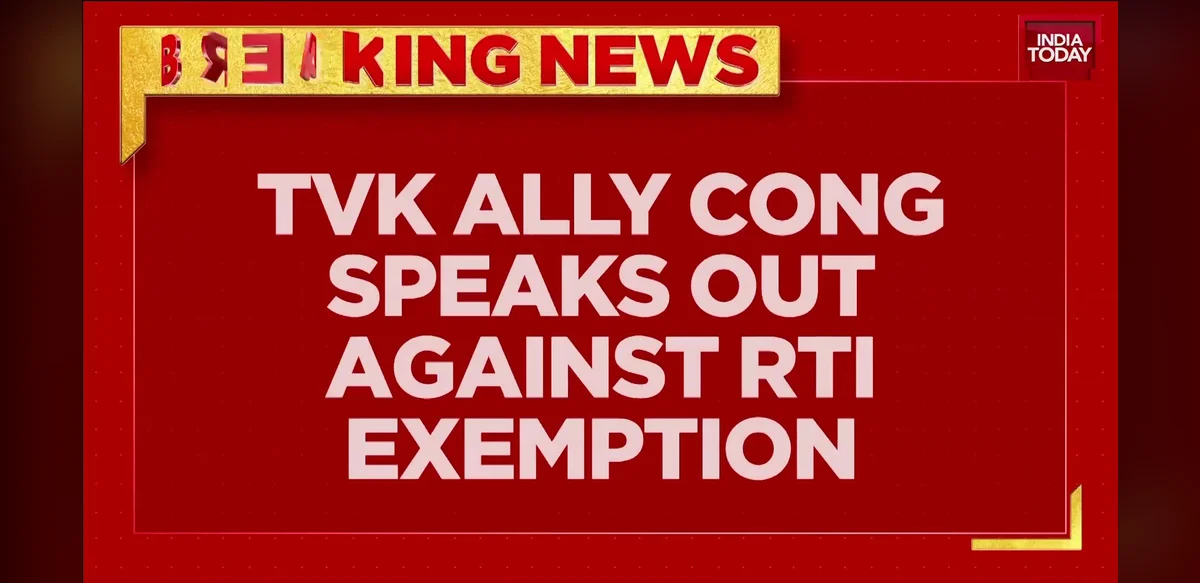
A controversy has surfaced in Tamil Nadu regarding an exemption granted under the Right to Information framework. Political partners of the ruling TVK have joined voices with the Congress and the CPM to call for the measure to be withdrawn. The development has drawn attention to questions of transparency in state administration.
The exemption in question pertains to certain categories of information that officials are not required to disclose. Critics argue that such provisions limit public access to records that could otherwise inform citizens about government functioning. Supporters of the exemption maintain that it protects sensitive operational details from unnecessary exposure.
Congress representatives stated that the exemption undermines the core purpose of the RTI legislation, which was designed to promote accountability. They emphasized the need for open channels between citizens and authorities. The CPM echoed similar concerns, highlighting that broad exemptions could erode trust in public institutions.
TVK allies have scheduled internal discussions to review the matter. Party spokespersons noted that the coalition values consensus on issues affecting governance standards. They indicated willingness to examine the exemption clause in detail before taking a final position.
Observers point out that similar debates have occurred in other states when RTI rules were modified. In each case, the balance between administrative efficiency and public access has been central to the discussion. Legal experts suggest that any rollback would require formal notification and possibly legislative approval.
The state information commission has received several queries related to the exemption since it was introduced. Some applicants reported delays or denials citing the new provision. Commission officials have declined to comment on individual cases while the political discussion continues.
Civil society groups have organized meetings to analyze the implications. Participants include academics, journalists, and former bureaucrats who have experience with information requests. These forums aim to compile data on how the exemption has been applied in practice.
Government sources clarified that the exemption targets only a narrow set of records involving ongoing investigations and strategic planning. They added that routine administrative information remains accessible through standard RTI channels. The clarification was issued to address concerns raised by opposition parties.
The episode has also prompted questions about coordination within the ruling coalition. Analysts note that differences on policy details can surface even among partners who share broader electoral goals. How the leadership resolves the issue may influence future legislative priorities.
Public reaction has been measured so far, with social media posts reflecting both support for greater transparency and understanding of administrative constraints. Local newspapers have carried editorials urging all sides to focus on practical solutions rather than partisan rhetoric.
Further developments are expected once the TVK leadership completes its review. The Congress and CPM have indicated they will continue to press for changes if the current framework is retained. The coming weeks will likely see additional statements and possibly formal proposals in the state assembly.
This situation illustrates the ongoing tension between the principles of open government and the operational needs of public agencies. Both perspectives are being articulated clearly by the involved parties, setting the stage for a substantive policy debate.


