


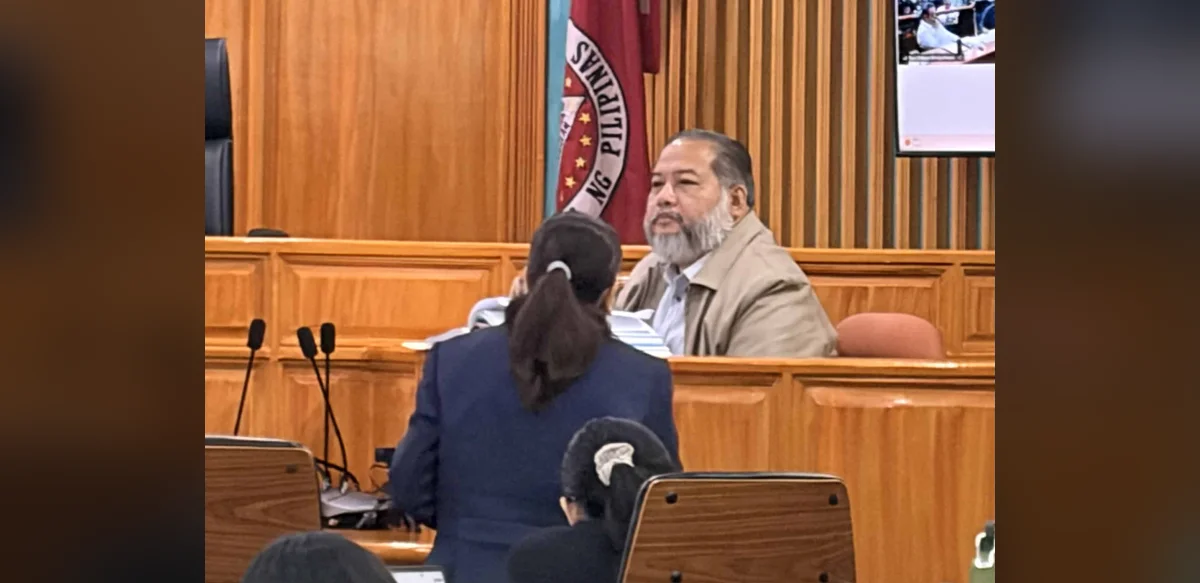
In Manila, a former district engineer from the Department of Public Works and Highways in Bulacan appeared before the Sandiganbayan Third Division to provide testimony regarding alleged financial irregularities in infrastructure projects. The witness, identified as Henry Alcantara, stated that he had received at least five billion pesos in improper payments connected to the delivery of certain project components to designated recipients.
The hearing took place on October 20, 2026, as part of ongoing proceedings examining procurement practices in regional public works. Court records indicate that the testimony focused on the flow of funds and the roles of various parties involved in project implementation. Officials present noted that the statements were given under oath and subject to cross-examination by legal representatives.
This case forms part of broader efforts by Philippine authorities to address concerns over transparency in government contracting. The Sandiganbayan, established as the primary venue for cases involving public officials accused of graft and corruption, continues to review evidence in multiple similar matters. Proceedings like this one highlight the mechanisms in place for accountability within the infrastructure sector.
Background on the matter shows that the projects in question involved road and facility developments in Bulacan province. The witness described interactions with individuals referred to as proponents, emphasizing the transfer of funds as part of the arrangement. No additional details on specific project locations or timelines were introduced during the initial portion of the testimony.
Legal observers have pointed out that such testimonies contribute to the judicial process by clarifying financial transactions. The court is expected to continue hearings in the coming weeks, allowing for further examination of documents and additional witnesses. This approach ensures that all relevant information is considered before any determinations are made.
Public interest in the case stems from ongoing discussions about the management of large-scale government expenditures. Infrastructure development remains a key priority for national progress, and cases involving alleged irregularities draw attention to the need for robust oversight. The Sandiganbayan’s role in adjudicating these matters underscores the institutional framework designed to uphold standards of integrity.
The testimony did not include references to political affiliations or party involvement. Instead, it centered on procedural aspects of project execution and fund allocation. Court officials have maintained that the focus remains on factual evidence presented during sessions.
Further sessions are anticipated to explore related aspects of the allegations. The process allows both the prosecution and defense to present their positions in a structured manner. This methodical review is characteristic of the Philippine judicial system’s handling of high-profile public sector cases.
Overall, the developments in this hearing reflect continued attention to governance issues in public works. As the case progresses, additional information may emerge through subsequent testimonies and evidence submissions. The emphasis stays on ensuring due process for all parties involved.

