

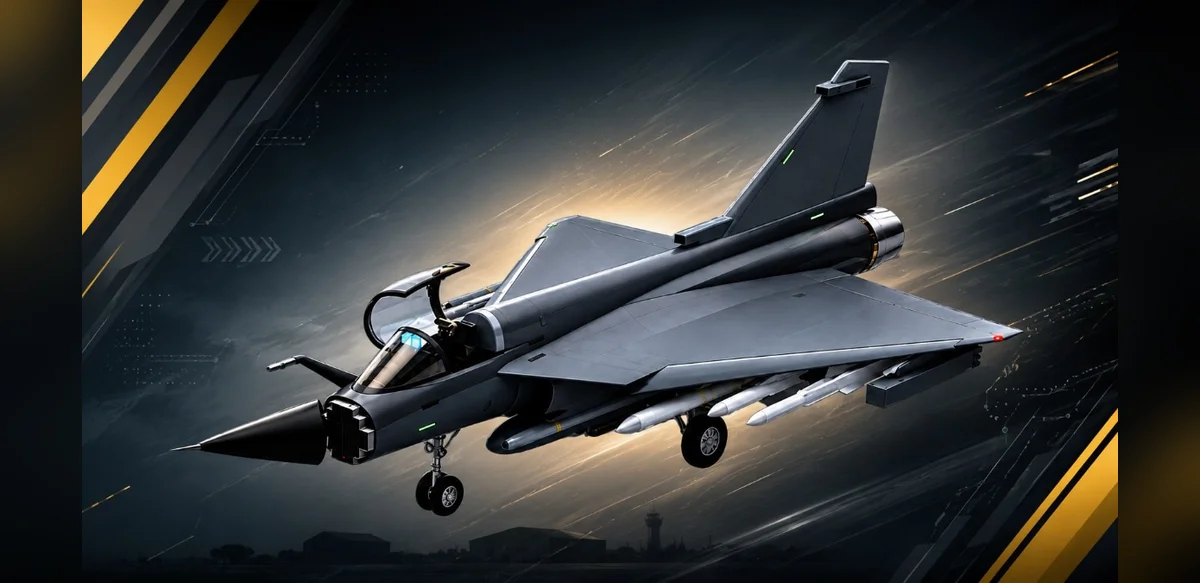
India has pursued greater self-reliance in its defense sector for several years, aiming to reduce dependence on foreign suppliers for critical equipment. The initiative, often referred to as Atmanirbhar Bharat in defense, seeks to boost domestic manufacturing of aircraft, ships, and other military hardware. Despite notable progress with projects such as the Tejas fighter and the aircraft carrier Vikrant, several key challenges persist.
One major area of concern involves propulsion systems. Many indigenous platforms continue to rely on engines developed abroad. This dependency affects timelines, costs, and the overall goal of complete indigenization. Efforts to develop local engine technology are underway, yet they require sustained investment in research facilities and skilled personnel.
The aircraft carrier Vikrant represents a significant achievement in naval construction. Built with substantial domestic input, it demonstrates growing capability in large-scale shipbuilding. However, certain subsystems and specialized components still come from international partners. This mix of local and imported elements highlights both advancement and ongoing limitations.
Procurement processes also play a role in the pace of indigenization. Long approval cycles and complex tendering procedures can slow the adoption of homegrown solutions. Streamlining these mechanisms while maintaining transparency remains an important task for policymakers.
Training and infrastructure development form another essential component. Skilled workers, advanced testing centers, and reliable supply chains are needed to support expanded production. Government initiatives have focused on partnerships between public sector units and private companies to address these needs.
International collaborations continue alongside domestic efforts. Technology transfer agreements and joint ventures help bridge immediate gaps while local capabilities mature. Balancing these partnerships with the push for self-reliance requires careful policy calibration.
Public statements from defense officials emphasize steady progress and future targets. They point to increased budgets for research and development as well as incentives for private sector participation. Observers note that measurable outcomes will depend on consistent execution over the coming years.
Regional security considerations add context to these developments. A robust domestic defense industry can contribute to strategic autonomy and reduce vulnerabilities associated with supply disruptions. At the same time, integration with global standards remains relevant for interoperability with friendly forces.
Economic factors influence the feasibility of full indigenization. High development costs for advanced technologies can strain resources, making phased approaches more practical. Prioritizing critical areas such as engines, avionics, and sensors allows focused allocation of funds.
Industry analysts suggest that success will hinge on long-term commitment rather than short-term announcements. Building a competitive ecosystem involves not only hardware production but also software, maintenance, and upgrade capabilities.
Overall, India’s defense indigenization drive shows clear momentum in several domains. Yet the persistence of imported components in key systems underscores the distance still to be covered. Continued attention to technology development, process reform, and workforce expansion will determine how quickly remaining gaps can be closed.


