

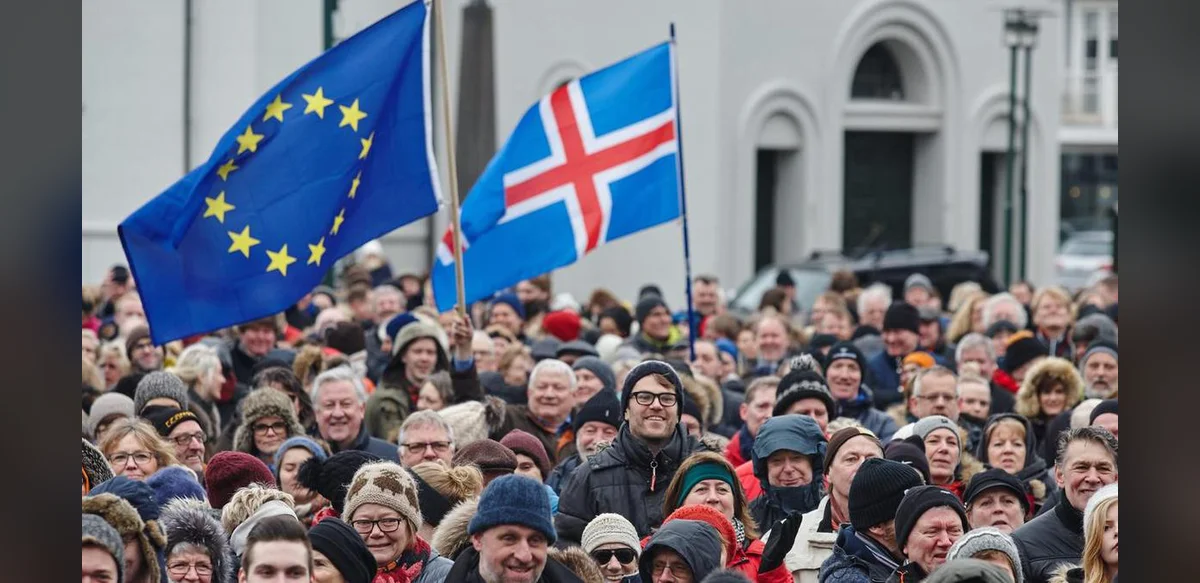
Iceland is preparing to hold a public vote on whether to begin formal discussions about joining the European Union. This ballot marks an initial move in a longer sequence of actions that could eventually lead the country toward full membership in the bloc.
The proposed referendum would allow citizens to express their views on starting negotiations. Officials have described the vote as a preliminary measure rather than a final decision on joining. If approved, the process would involve multiple rounds of talks covering trade, fisheries, agriculture, and legal alignment with European standards.
Iceland already maintains close economic ties with the European Union through its participation in the European Economic Area. This arrangement grants access to the single market while keeping the country outside the customs union and common foreign policy structures. Supporters of deeper integration argue that full membership could provide greater influence over rules that already affect Icelandic businesses and citizens.
Opponents highlight concerns about sovereignty, particularly regarding fishing rights and resource management. Iceland’s economy relies heavily on marine resources, and many residents worry that EU policies might limit national control in this sector. Currency issues also feature in the debate, as the country continues to use its own krona rather than adopting the euro.
The government has stated that any eventual accession would require broad public support and parliamentary approval. The referendum itself would not automatically trigger membership but would authorize the start of exploratory talks. Subsequent steps could include drafting negotiating positions, conducting impact assessments, and holding further public consultations.
International observers note that Iceland’s geographic position and existing agreements make it a unique case among potential candidates. The country has previously applied for membership and later suspended the process, reflecting shifting domestic priorities over time. Current discussions focus on whether renewed engagement would bring economic stability or introduce new regulatory burdens.
Public information campaigns are expected to outline the possible advantages and drawbacks of membership. These efforts aim to ensure voters understand the implications before casting ballots. Analysts suggest turnout and the margin of victory could influence how political leaders interpret the result and proceed with any follow-up actions.
The timeline for the referendum remains under discussion, with authorities emphasizing the need for clear communication and adequate preparation. Regardless of the outcome, the vote represents an important moment in Iceland’s ongoing evaluation of its relationship with European institutions.
Further developments will depend on the referendum result and subsequent political decisions. If talks begin, they are likely to address sensitive topics such as regional policy, environmental standards, and labor mobility. Each stage would require careful negotiation to balance national interests with European Union requirements.
Overall, the process underscores Iceland’s cautious approach to international commitments. By starting with a public vote on opening discussions, leaders aim to gauge sentiment before committing significant resources to formal negotiations. The coming months will reveal how the population views the prospect of closer European ties and what path the country ultimately chooses.


