

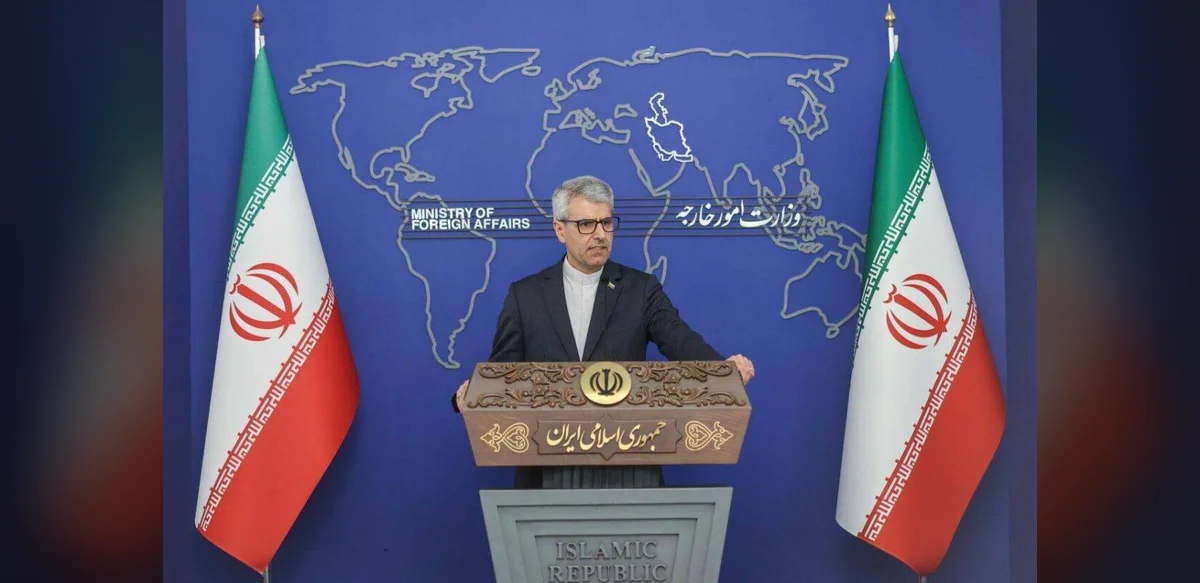
Iranian officials announced that a planned meeting in Oman has been called off following a request from Saudi Arabia. The statement came from the Iranian foreign ministry, which described the cancellation as a development that could affect ongoing regional discussions.
According to the announcement, the meeting was intended to address matters of mutual interest between Iran and Oman. No specific date or agenda details were released prior to the cancellation. Iranian representatives expressed regret over the change in plans but did not elaborate on further steps.
Saudi Arabia has not issued an official comment on the matter. Observers note that relations between Iran and Saudi Arabia have experienced periods of tension and occasional dialogue in recent years. The involvement of Oman, which has historically maintained neutral ties with both nations, adds context to the reported request.
Regional analysts suggest that such cancellations can reflect shifting priorities in diplomatic channels. Oman has served as a venue for indirect communications in the past, particularly on issues related to security and trade in the Gulf area. The current development may influence how future talks are arranged.
The Iranian statement emphasized commitment to peaceful engagement despite the setback. Officials indicated that alternative arrangements could be considered if conditions allow. No timeline for resumption was provided.
International reactions remain limited at this stage. Neighboring countries and global actors have not yet responded publicly to the announcement. Media coverage has focused on the potential implications for broader Gulf stability.
Background on the involved parties shows a complex history of interactions. Iran and Saudi Arabia have competed for influence in several regional matters, while Oman has positioned itself as a facilitator for dialogue. The cancellation highlights the delicate nature of scheduling high-level meetings under current circumstances.
Further details are expected in the coming days as more information becomes available from official sources. Both Iran and Oman have maintained open lines of communication on various bilateral topics, including economic cooperation and cultural exchanges.
This event occurs amid ongoing discussions about energy policies and maritime security in the region. Stakeholders continue to monitor developments closely to assess any ripple effects on related negotiations.
In summary, the reported cancellation underscores the challenges of coordinating diplomatic efforts involving multiple parties with differing interests. Iranian authorities have framed the decision as externally driven, leaving room for future adjustments based on evolving conditions.


