

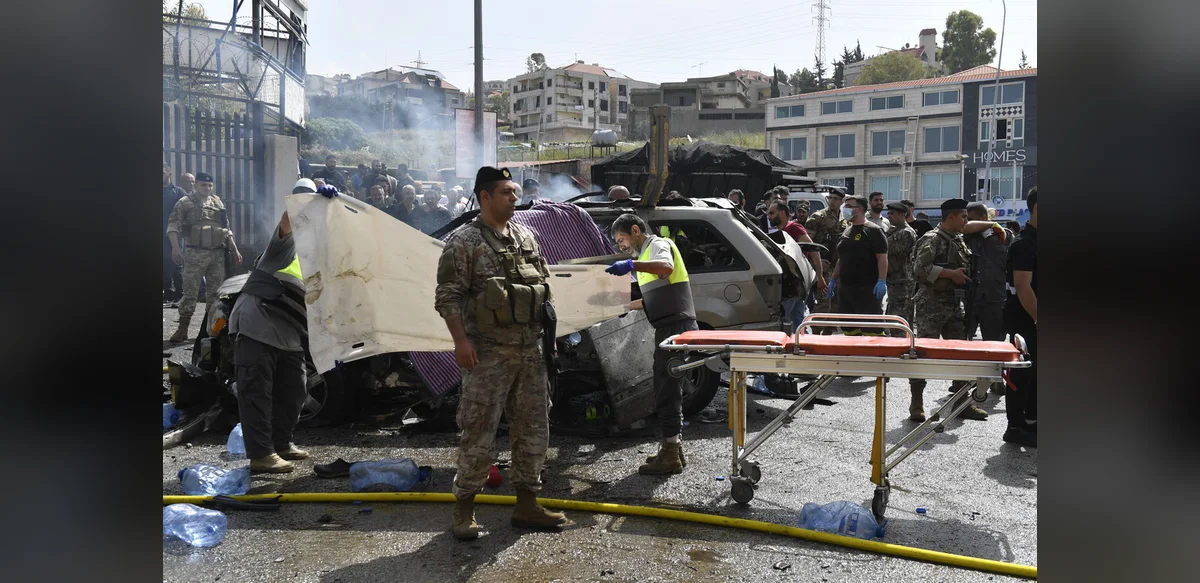
The Arab League has issued a warning that recent military actions by Israel in southern Lebanon risk undermining ongoing diplomatic initiatives aimed at reducing tensions in the region. Officials from the organization emphasized the need for restraint to prevent further deterioration of the security situation.
According to the statement released in Cairo, the escalation involves increased airstrikes and ground operations that have affected civilian areas. The League called on all parties to adhere to international law and prioritize dialogue over confrontation.
Regional analysts note that southern Lebanon has seen heightened activity in recent weeks, with reports of exchanges between Israeli forces and local armed groups. These developments come amid broader efforts to establish a lasting ceasefire following previous rounds of conflict.
The Arab League highlighted the potential impact on humanitarian conditions, including displacement of residents and damage to infrastructure. Aid organizations have been urged to prepare for possible increases in needs if the situation continues to intensify.
Diplomatic sources indicate that several member states are coordinating with international bodies to revive settlement talks. However, the current military moves are viewed as obstacles to these processes.
In response, Israeli officials have stated that operations are necessary for security reasons and target specific threats. They maintain that actions are limited and aimed at preventing attacks on their territory.
Lebanese authorities have appealed for international intervention to de-escalate the conflict. They stress the importance of respecting sovereignty and avoiding violations of established agreements.
The League’s position reflects concerns shared by multiple Arab nations about the wider implications for stability in the Middle East. Previous escalations have led to prolonged periods of instability affecting neighboring countries.
Observers suggest that continued engagement through established channels remains essential. Multilateral forums could provide platforms for addressing grievances and exploring confidence-building measures.
Humanitarian agencies report challenges in delivering assistance due to access restrictions in affected zones. Efforts to evacuate vulnerable populations are ongoing but face logistical hurdles.
The statement concludes with a call for immediate cessation of hostilities to allow space for negotiations. The Arab League reiterated its commitment to supporting peaceful resolutions based on relevant United Nations resolutions.
Further meetings among League members are scheduled to assess developments and coordinate responses. Updates will be provided as the situation evolves.
This development adds to existing complexities in regional diplomacy, where multiple overlapping issues require careful management. Sustained attention from global actors is seen as critical to preventing wider involvement.
Background on the area includes a history of intermittent clashes influenced by political and security dynamics. Efforts to implement buffer zones or monitoring mechanisms have been discussed in past talks.
Public reactions in affected communities include calls for protection and support. Local leaders emphasize the need for stability to enable recovery and development.
International responses have varied, with some governments urging de-escalation while others focus on specific security concerns. Coordination among mediators continues behind the scenes.
The overall assessment from the Arab League points to risks of derailing progress if current trends persist. Constructive steps toward dialogue are presented as the preferred path forward.


