

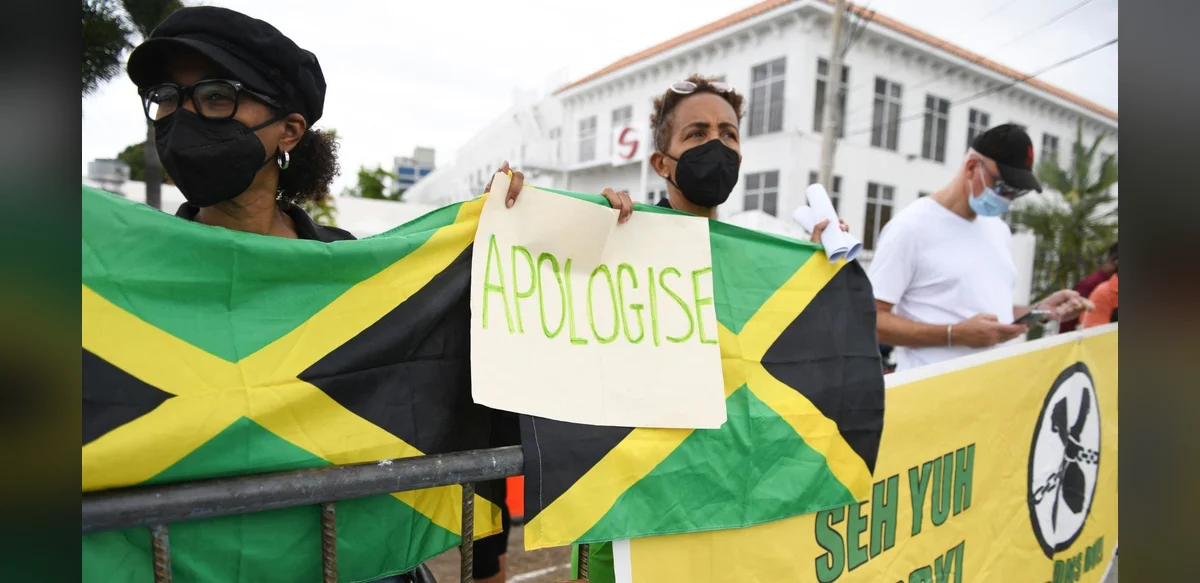
Jamaican authorities have announced plans to present a formal petition addressing historical issues of slavery during an upcoming visit to the United Kingdom. The document is directed toward King Charles and raises questions about the legal status of slavery under longstanding English legal traditions as well as the broader responsibilities that may fall to the United Kingdom in relation to reparations.
The petition forms part of ongoing diplomatic exchanges between the two nations. Officials in Jamaica have emphasized that the submission will occur through established channels during the scheduled trip. This approach reflects standard procedures for international communications involving matters of historical significance.
Details surrounding the exact timing and format of the presentation remain limited at this stage. Government representatives have indicated that the focus rests on clarifying legal interpretations from earlier centuries and exploring any associated obligations. The initiative aligns with similar discussions that have taken place in other regions with shared historical connections.
Observers note that such petitions often serve as starting points for further dialogue rather than immediate resolutions. In this instance the emphasis appears to lie on documentation and formal inquiry. Both sides have historically maintained open lines of communication on a range of bilateral topics including trade cultural exchanges and development cooperation.
The United Kingdom has previously engaged with questions of historical accountability through various public statements and commissions. Jamaican leaders have expressed interest in ensuring that their perspectives receive consideration within these frameworks. The petition is expected to contribute additional material to these conversations without altering existing diplomatic protocols.
Preparation for the visit involves coordination among multiple ministries in Jamaica. Legal experts have reviewed historical records to support the arguments presented in the document. The process underscores the importance of thorough research when addressing complex matters that span several centuries.
International reactions to the announcement have been measured. Several governments with comparable historical ties have monitored developments closely while refraining from direct commentary. Analysts suggest that the petition may encourage renewed attention to archival materials and legal precedents.
Public interest in the topic remains steady in both countries. Media coverage has highlighted the procedural aspects of the upcoming submission rather than speculating on outcomes. This measured reporting helps maintain focus on verifiable steps within the diplomatic process.
The visit itself is anticipated to cover additional agenda items beyond the petition. Routine discussions on economic partnerships educational initiatives and regional security are expected to feature prominently. Such breadth illustrates the multifaceted nature of relations between Jamaica and the United Kingdom.
Overall the petition represents one element within a larger pattern of engagement. Authorities on both sides continue to prioritize respectful and structured communication when addressing sensitive historical questions. Future updates are likely to emerge as preparations advance and the visit draws nearer.


