

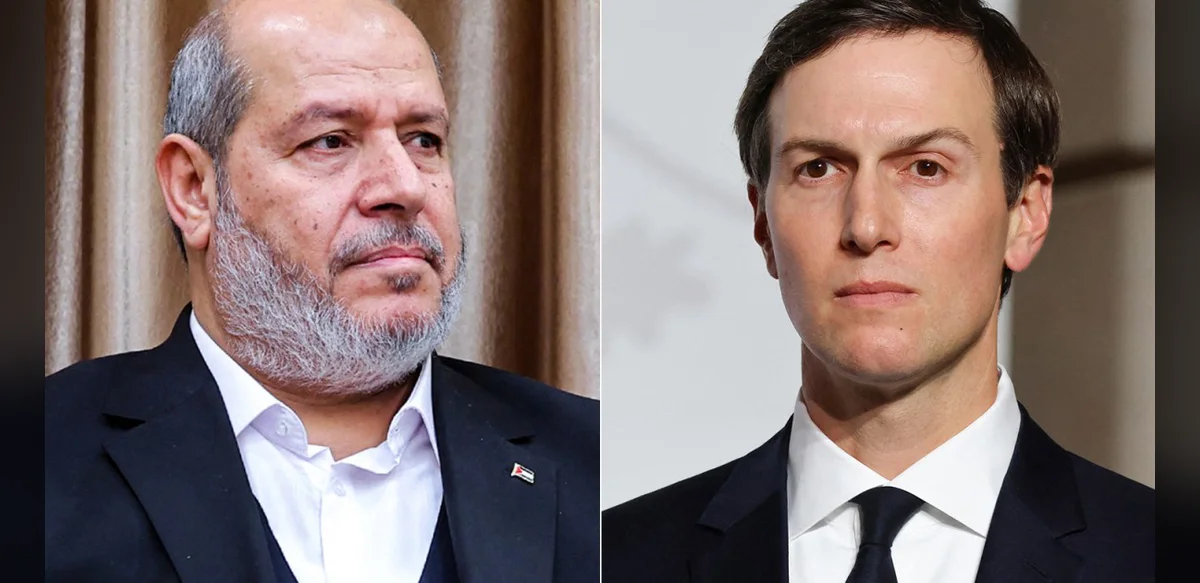
Recent diplomatic efforts have centered on discussions involving key figures in Middle East affairs. Reports indicate that meetings took place between representatives associated with the Trump administration and leaders from Hamas. These conversations form part of broader attempts to address ongoing issues in Gaza. The exchanges come at a time when a proposed fifteen-point plan for the region has faced rejection from Israeli authorities.
Following these initial contacts, attention now turns to upcoming sessions with Israeli Prime Minister Benjamin Netanyahu. Observers note that such sequential engagements reflect standard practices in international negotiations where multiple parties must be consulted. The sequence underscores the complexity of advancing any comprehensive framework under current conditions.
The fifteen-point roadmap in question outlined various measures aimed at stabilizing the area and addressing humanitarian concerns. Israeli officials have expressed reservations about several elements within the proposal. This stance has prompted further outreach to explore adjustments or alternative pathways forward.
Analysts suggest that the meetings with Hamas leaders served to gauge positions and identify potential areas of alignment. Neutral observers emphasize the importance of direct communication in conflict resolution processes. Such steps often precede wider consultations involving additional stakeholders.
Public statements from involved parties have remained measured. Emphasis has been placed on continuing dialogue rather than immediate outcomes. The situation remains fluid as preparations advance for the next round of talks.
Regional dynamics continue to influence these developments. Multiple actors maintain interests in the outcome of any revised approach to Gaza. Coordination among them requires careful sequencing to avoid misunderstandings.
The rejection of the initial roadmap has led to calls for revised proposals that account for security considerations raised by Israel. At the same time, perspectives from other groups involved in the territory must be incorporated to ensure viability.
Future updates are expected as the scheduled meeting with Netanyahu approaches. Stakeholders on all sides have indicated willingness to explore options that could lead to de-escalation. The process highlights the layered nature of diplomacy in protracted disputes.
Overall, the sequence of events illustrates ongoing attempts to navigate sensitive political terrain. Progress depends on sustained engagement and willingness to address core concerns from each participant. Additional details may emerge following the planned discussions in the coming period.


