

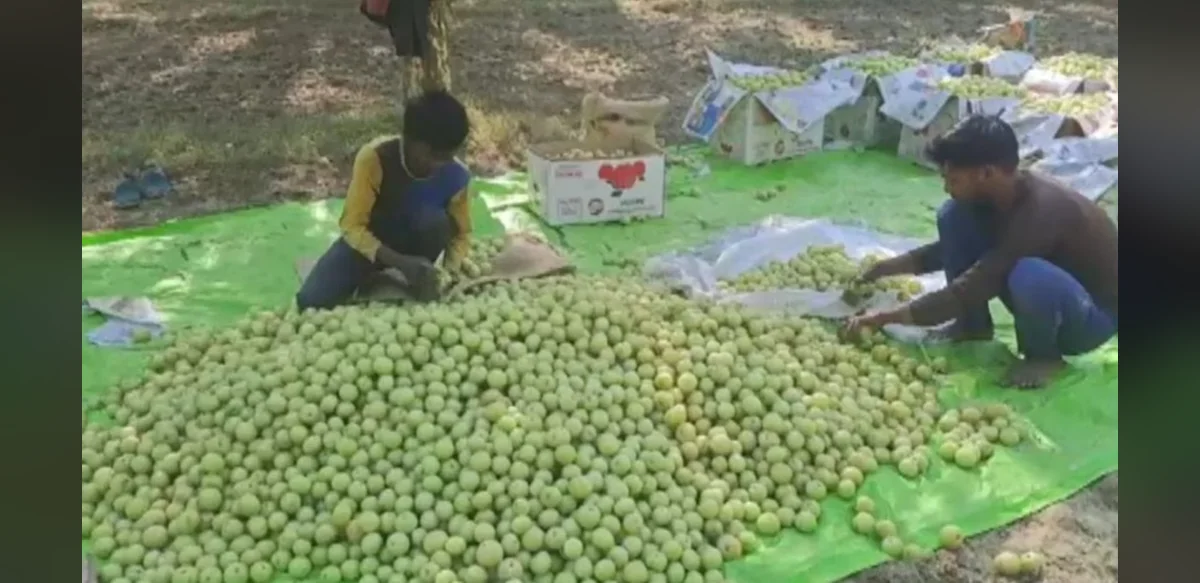
The One District One Product program has played a significant role in expanding opportunities for amla growers and processors in Pratapgarh. This government backed effort focuses on identifying local specialties and providing support to scale them into viable commercial activities. In the case of amla, also known as Indian gooseberry, the initiative has encouraged better cultivation practices, improved processing techniques, and wider market access.
Pratapgarh has long been known for its amla production due to suitable soil and climate conditions. Farmers in the region have traditionally grown the fruit for local consumption and small scale trade. With the introduction of targeted support under the program, several units have been established to handle cleaning, grading, drying, and packaging. These facilities help reduce post harvest losses and maintain quality for longer periods.
Training sessions organized through the scheme have introduced modern methods to small entrepreneurs and self help groups. Participants learn about value added products such as amla candy, juice, powder, and pickles. Such diversification allows producers to move beyond selling raw fruit and capture higher margins in retail and export channels.
Online platforms have become an important sales channel for these processed goods. Sellers from Pratapgarh now list items on major e commerce sites, reaching customers across different states. This shift has increased visibility and created steady demand throughout the year rather than only during harvest season.
Employment generation is another outcome observed in the area. Local youth and women have found work in processing centers, packaging lines, and logistics support. Some have started their own micro enterprises after receiving guidance on quality standards and food safety requirements. The program also links participants with financial institutions for credit and subsidies on equipment.
Infrastructure improvements include better storage units and cold chain facilities that preserve freshness. District authorities have coordinated with agricultural universities to promote disease resistant varieties and organic farming practices. These steps aim to raise overall productivity while meeting growing consumer preference for natural health products.
Challenges remain, including the need for consistent quality control and competition from larger manufacturers. However, the structured approach of the One District One Product scheme provides a framework for addressing these issues through regular monitoring and capacity building workshops.
Market linkages have expanded to include tie ups with health food brands and pharmacies. Amla based items are promoted for their vitamin C content and traditional medicinal uses, aligning with rising interest in wellness products. Export inquiries have also increased, prompting some units to obtain necessary certifications.
Overall, the initiative has contributed to turning a seasonal crop into a more stable economic activity for the district. Continued focus on skill development, technology adoption, and market expansion is expected to sustain this growth in the coming years.


