


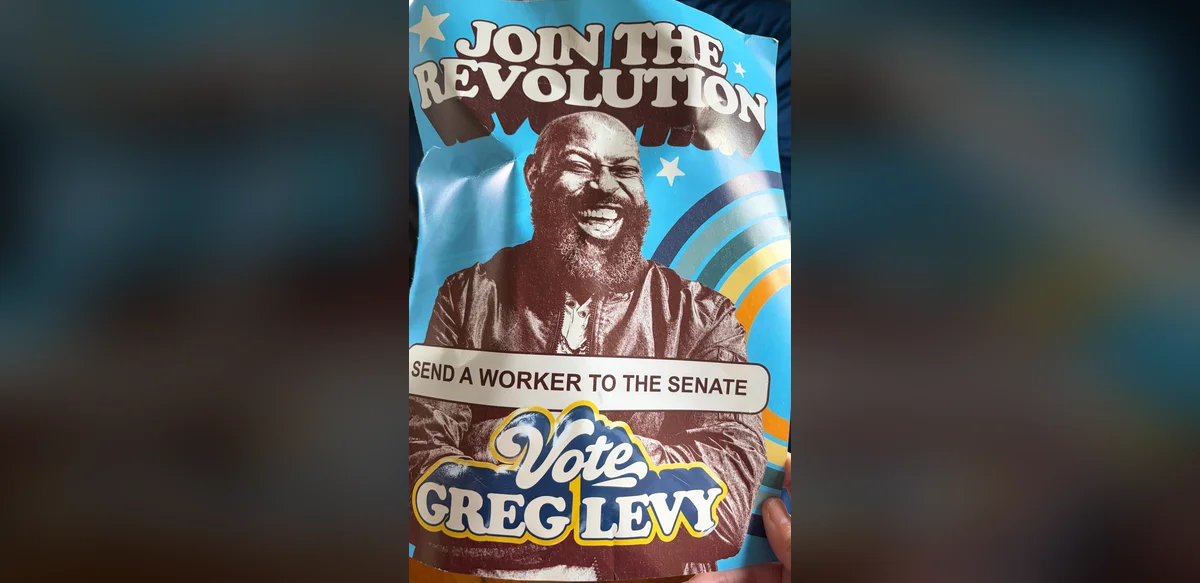
Recent reports indicate that a political action committee with ties to a firm associated with Republican interests has been providing support to a socialist candidate competing in the Ohio Senate race. This development has prompted discussion among political observers regarding the dynamics of campaign financing and external influences in electoral contests.
The candidate has responded by describing the assistance as misleading to voters. In statements issued by the campaign, the effort is characterized as lacking transparency and potentially confusing the public about the candidate’s positions and affiliations. The candidate emphasized a preference for direct and clear communication with the electorate without intermediary involvement from such groups.
This occurrence takes place within the broader context of the Ohio Senate election, where multiple candidates are vying for voter support. Campaign finance rules allow various organizations to participate in races, often leading to unexpected alliances or oppositions that shape public perception. Observers note that such interventions can alter the narrative around individual candidacies.
Analysts suggest that the involvement of outside committees reflects ongoing trends in how political funding operates across states. In Ohio specifically, the Senate contest has attracted attention due to its potential impact on the balance of power in the legislative body. The socialist candidate’s stance against the PAC support underscores tensions that can arise when external entities engage in local races.
Voters in the state are being encouraged to review all sources of campaign information carefully. The candidate’s remarks highlight the importance of understanding the origins of financial and promotional backing in order to make informed decisions at the ballot box. This approach aligns with calls for greater clarity in political advertising and advocacy efforts.
The situation also illustrates how candidates from different ideological backgrounds may find themselves subject to support or opposition from groups not directly aligned with their platforms. In this instance, the disconnect between the PAC’s apparent origins and the candidate’s self-described ideology has become a point of focus. The candidate maintains that authentic representation requires independence from such influences.
Further coverage of the Ohio Senate race is expected as the election cycle progresses. Stakeholders continue to monitor the role of political action committees and their connections to established firms or parties. The emphasis remains on ensuring that voters receive accurate details about all participants in the contest.
Overall, the episode serves as an example of the intricate relationships that can develop in modern electoral politics. The socialist candidate’s position against the described support reinforces a commitment to straightforward engagement with constituents. As the race continues, additional statements and developments may provide more context on the matter.


