

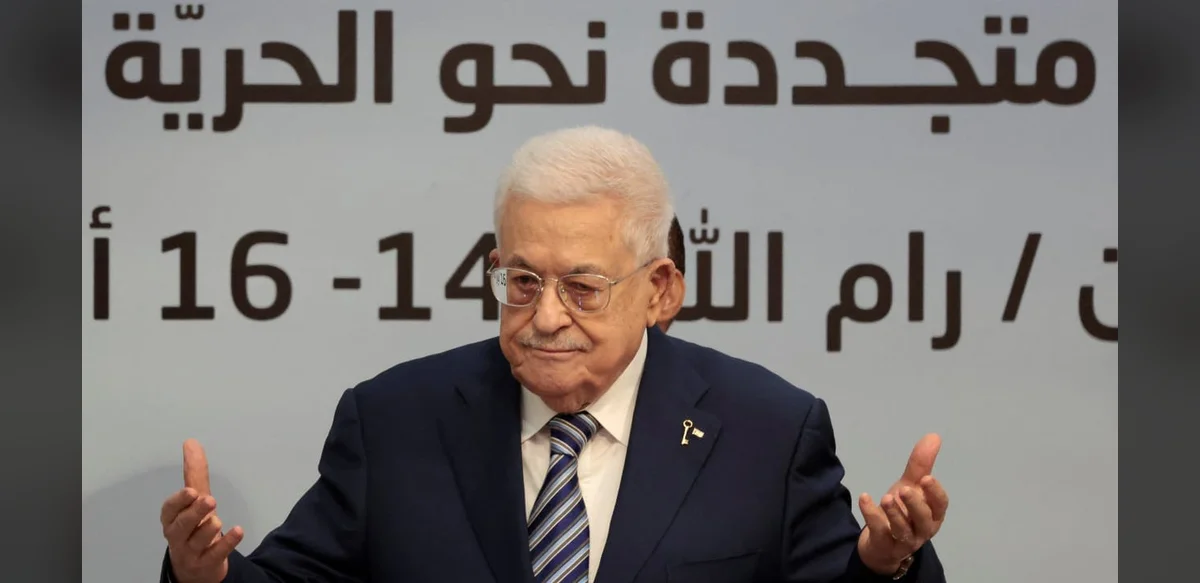
Speculation continues to grow regarding the possibility of another delay in the Palestinian Authority elections. Observers note that such a postponement could provide additional time for internal adjustments within the ruling faction. This period might allow leaders to address divisions and strengthen organizational structures ahead of any eventual polling.
The current situation reflects ongoing challenges in preparing for a vote that has already faced multiple setbacks. Analysts suggest that extending the timeline would enable focused efforts on unifying different elements within the group. By doing so, the faction could present a more cohesive front when voters finally go to the polls.
Discussions around the potential delay highlight the complexities involved in managing internal dynamics. A postponement offers space to resolve disagreements and align strategies without the immediate pressure of an election campaign. This approach could help mitigate risks associated with a divided organization entering a competitive electoral process.
Stakeholders are closely monitoring developments to understand the motivations behind any further extension. The emphasis remains on using the extra time constructively to prepare the faction for future participation. Such preparations are seen as essential for ensuring smoother operations once the voting opportunity arises.
The divided nature of the faction adds layers to these considerations. Internal arrangements during a delay period could involve negotiations and realignments aimed at reducing tensions. These steps might ultimately contribute to greater stability within the group before it faces public scrutiny at the ballot box.
Questions persist about the timing and necessity of another postponement. Proponents argue that it serves practical purposes related to organizational readiness. Critics, however, express concerns over repeated delays impacting the overall electoral timeline.
In this context, the focus stays on the potential benefits of additional preparation time. Leaders could work toward consolidating support and refining policies without external electoral deadlines looming. This strategic pause might prove valuable in addressing longstanding internal issues.
The broader implications of such a decision continue to be debated among political commentators. A postponement could influence the faction’s ability to engage effectively with its base. Ensuring internal cohesion beforehand is viewed by some as a prudent measure.
Overall, the narrative centers on balancing the need for timely elections with the realities of internal factional management. Any delay would likely be framed around enhancing readiness for the moment when Palestinians have the chance to cast their votes. This careful approach underscores the intricate planning required in the current environment.
Further analysis indicates that repeated postponements raise questions about long-term electoral prospects. Yet the immediate rationale appears tied to creating room for necessary internal work. By prioritizing these arrangements, the faction aims to enter the voting phase from a position of greater unity.
The process of making these adjustments involves careful coordination among various segments. Time gained from a postponement allows for thorough discussions and consensus building. Such efforts are considered critical to overcoming divisions that have persisted over time.
As the situation evolves, attention remains fixed on whether another delay will indeed occur. The underlying goal appears consistent with preparing the divided faction adequately. This preparation phase could determine the effectiveness of future electoral participation.
Neutral observers emphasize the importance of transparency in any decision to postpone. Clear communication about the reasons, including internal organizational needs, would help maintain public trust. The opportunity to vote remains a key aspiration for many, making the timing of elections a sensitive matter.
In summary, the mounting questions reflect uncertainty over the election schedule and its potential impact. The possibility of using postponement time for internal arrangements within the faction stands as a central consideration. This strategy could facilitate better outcomes when the voting process eventually takes place.


