


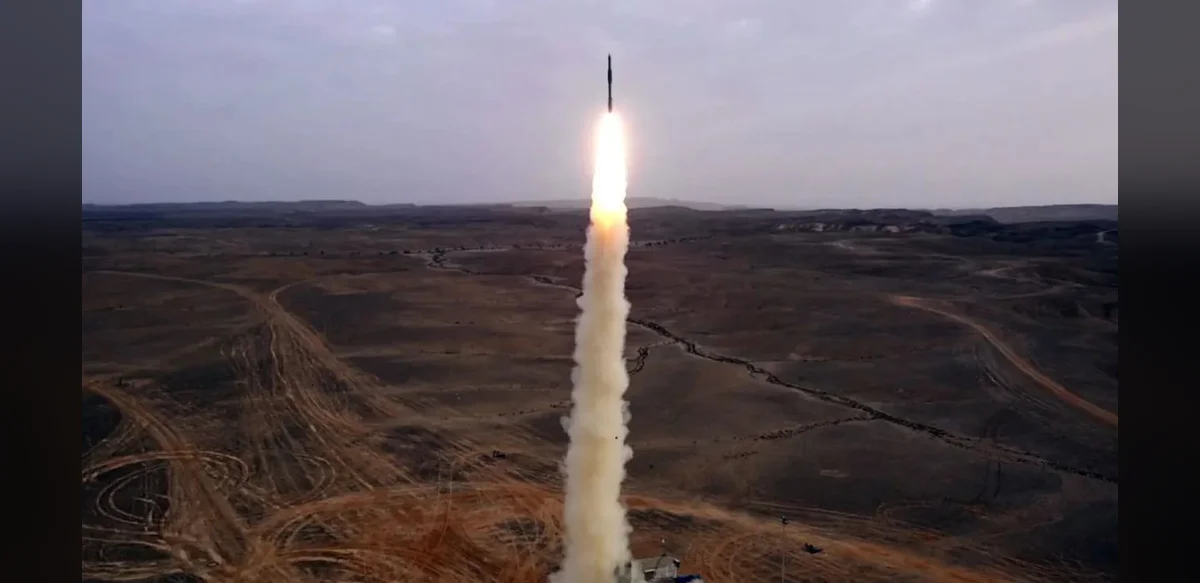
Switzerland is taking steps to strengthen its missile defense capabilities in light of changing international conditions. Officials have indicated that the move comes amid concerns over the broader security environment. The country is examining specific systems that could enhance protection against potential aerial threats.
The process involves reviewing advanced platforms designed to intercept incoming projectiles. Two options under consideration include the Barak MX and the SAMP/T NG. These systems represent modern approaches to layered defense, offering capabilities suited to varied operational needs.
Switzerland maintains a longstanding policy of neutrality, yet it continues to invest in measures that safeguard its territory. The current assessment reflects a measured response to evolving risks rather than any shift in fundamental stance. Discussions are proceeding through established governmental channels.
Defense planning in the nation typically emphasizes self-reliance and technological compatibility. The systems being studied would integrate with existing infrastructure while providing expanded coverage. Analysts note that such upgrades require careful evaluation of costs, training requirements, and interoperability.
Public statements have highlighted the importance of maintaining credible deterrence without escalating tensions. The focus remains on defensive measures that align with international norms. Switzerland has historically participated in cooperative security arrangements that respect its neutral status.
The review process is expected to involve multiple stages of technical assessment and strategic analysis. Experts from relevant agencies are contributing input on performance metrics and deployment scenarios. This methodical approach ensures decisions rest on comprehensive data.
Regional stability plays a role in shaping defense priorities across Europe. Switzerland monitors developments that could affect its borders and airspace. The emphasis on missile defense aligns with similar initiatives undertaken by neighboring states.
Procurement timelines for such equipment often span several years due to the complexity involved. Contracts would include provisions for maintenance, upgrades, and personnel preparation. Transparency in these matters supports public confidence in national security policies.
The geopolitical context cited includes uncertainties that have prompted many nations to reassess their protective measures. Switzerland’s actions are presented as prudent adjustments rather than reactions to specific incidents. Officials stress the need for readiness in an unpredictable world.
Further details on the evaluation are anticipated as studies progress. The government has committed to keeping legislative bodies informed throughout the process. This ensures oversight and alignment with broader policy objectives.
In summary, the initiative underscores Switzerland’s commitment to territorial integrity through measured technological advancement. The examination of the Barak MX and SAMP/T NG represents one element of ongoing efforts to adapt defense strategies. Continued dialogue will shape the final direction taken.

