


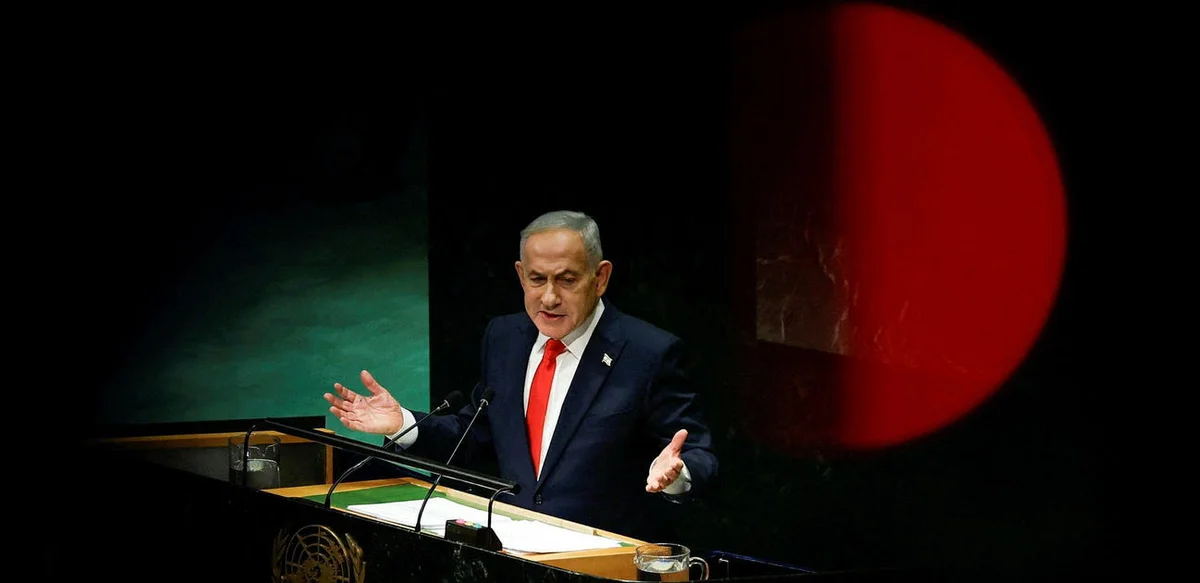
Recent developments in the Middle East have raised alarms among international observers regarding potential escalations between Israel and Iran. Analysts suggest that political pressures within Israel could influence decisions that might lead to heightened conflict. The situation remains fluid with various stakeholders monitoring statements and movements closely.
Observers note that Prime Minister Benjamin Netanyahu faces significant domestic challenges including coalition instability and calls for new leadership. Some reports indicate that external conflicts might be leveraged to maintain political standing. This interpretation stems from patterns observed in past regional dynamics where security issues intersected with internal politics.
Diplomatic channels are active as multiple nations urge restraint. The United States and European partners have expressed interest in de-escalation to prevent broader involvement. Historical precedents show that miscalculations in such environments can lead to prolonged engagements affecting regional stability and global energy markets.
Iranian officials have responded with warnings against any aggressive moves emphasizing their defensive capabilities. Military posturing on both sides continues with exercises and deployments reported in sensitive areas. International organizations including the United Nations are tracking developments to facilitate dialogue if opportunities arise.
Economic implications are also under consideration as markets react to uncertainty. Oil prices have shown volatility reflecting investor concerns over supply routes in the Persian Gulf. Businesses with regional exposure are reviewing contingency plans amid the evolving scenario.
Public opinion in Israel appears divided with some supporting strong security measures while others prioritize internal reforms and governance issues. Protests and political debates continue highlighting the complex interplay between foreign policy and domestic priorities.
Experts in international relations emphasize the importance of verified intelligence over speculation. They caution against actions based on incomplete information that could trigger unintended consequences. Multilateral forums provide avenues for communication to reduce risks of misinterpretation.
The broader context includes ongoing issues such as nuclear negotiations and proxy influences across the region. These factors add layers of complexity requiring careful navigation by all parties involved. Sustained diplomatic efforts remain essential to manage tensions effectively.
As events unfold further updates are expected from official sources and independent monitors. The focus stays on preserving peace while addressing legitimate security concerns through established international frameworks. Neutral facilitation by third parties could play a constructive role in the coming weeks.

