

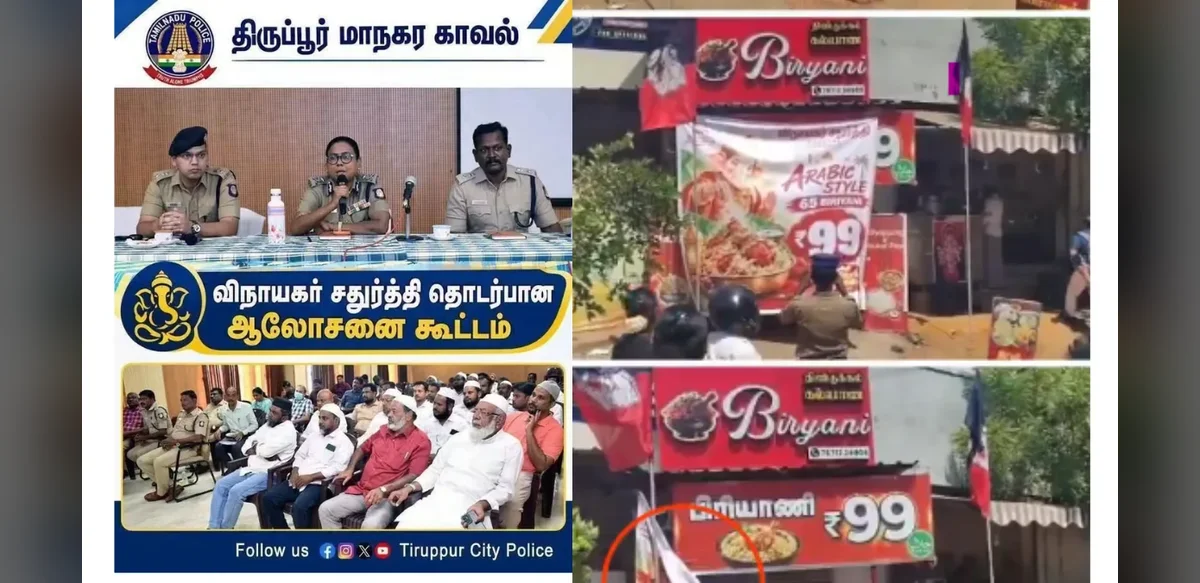
Reports from multiple districts in Tamil Nadu have highlighted disputes regarding permissions for Vinayaka Chaturthi celebrations and processions in areas with significant Muslim populations. Local Hindu groups and residents have raised concerns about restrictions on moving idols for immersion, citing objections from neighboring communities and decisions by authorities.
In Perambalur district, residents of LabbaiKaadu village described difficulties in routing immersion processions through certain roads. A local representative noted that the area has a high proportion of Muslim residents and claimed that objections were raised against vehicles carrying idols passing through the locality. Similar routes in nearby villages were said to involve longer distances to reach suitable water bodies such as the Cauvery river in Thiruvaiyaru. As an alternative, some groups reportedly traveled to Cuddalore district, approximately 140 kilometers away. The representative described the situation as an infringement on religious practices and referenced past incidents from 2014 involving police cases against participants. Concerns were also expressed about the potential impact on young people participating in such events due to ongoing legal matters.
Social media discussions amplified these claims, with users listing other locations across Tamil Nadu including parts of Vellore, Vaniyambadi, Ambur, Mayiladuthurai, Kumbakonam, Thanjavur, Villupuram, Tirunelveli, Ramanathapuram, Madurai, Sivakasi, Coimbatore and Tiruppur. Commentators suggested that such issues had become more frequent under the influence of regional political parties and warned of future requirements for prior approvals for festivals.
In Ramanathapuram district, Hindu Munnani issued a statement regarding Keezhakkarai, another area described as having a Muslim majority. The group condemned the denial of permission for a procession and urged police and state authorities to safeguard the rights of all communities to conduct religious activities. The statement drew parallels to the Perambalur situation and called for resolution ahead of the festival.
Additional incidents included reports of police visiting a residence in the early hours to inquire about an idol installed without prior approval. The homeowner maintained that no loudspeakers were used and questioned the necessity of permission for private worship. An argument ensued when the summons was not accepted.
Online commentary also questioned the practice of holding consultations with various community leaders before Hindu festivals, noting that similar discussions were not reported during other religious observances. Observers called for consistent application of rules across all groups to maintain communal harmony.
Authorities have not issued detailed public responses to the specific allegations in the reports reviewed. The events underscore ongoing debates about religious processions, local demographics and administrative permissions in parts of the state. Residents and organizations continue to seek clarity on guidelines for future celebrations while emphasizing the importance of mutual tolerance among communities.


