


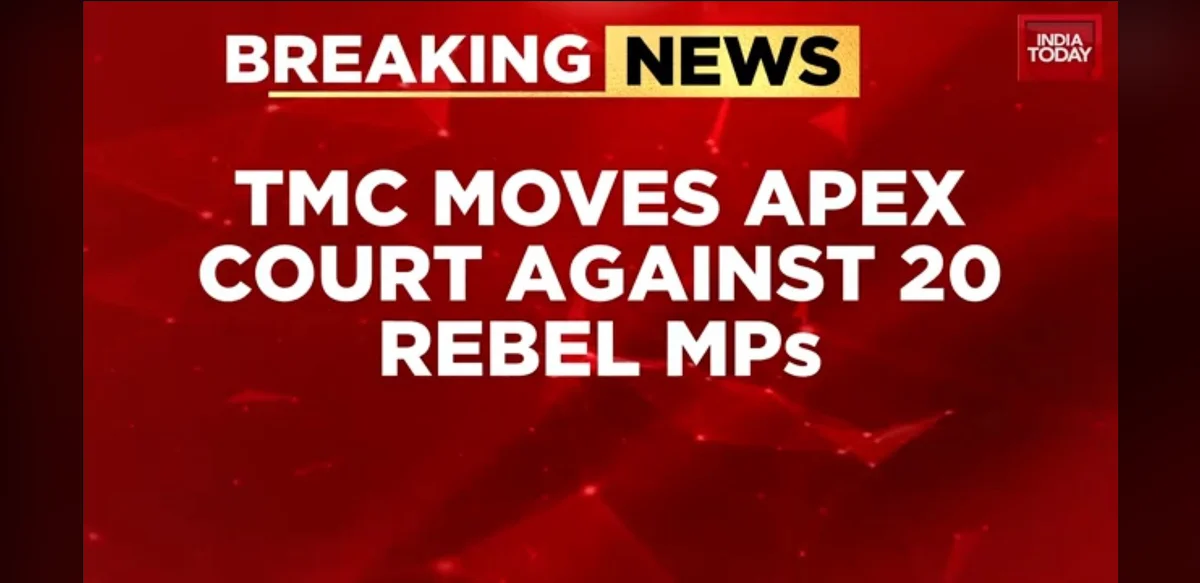
The Trinamool Congress has filed a petition before the Supreme Court seeking intervention against certain rebel members of parliament. The move comes amid concerns over the delay by the Speaker in addressing a disqualification plea. The party argues that the prolonged inaction has affected the functioning of the legislative process and requires judicial oversight to ensure timely resolution.
In the petition, the party highlights procedural aspects related to the handling of disqualification requests under the relevant constitutional provisions. It emphasizes the need for the Speaker to act within a reasonable timeframe to maintain the integrity of parliamentary representation. The Supreme Court has been requested to issue directions that would expedite the matter and prevent further complications arising from the extended period of uncertainty.
Legal experts note that such petitions often focus on the balance between the Speaker’s discretionary powers and the requirement for prompt decision-making. The case brings attention to the mechanisms available for political parties to seek redress when internal disputes lead to questions about membership status. Observers point out that the involvement of the highest court underscores the importance of resolving these issues through established legal channels.
The rebel members in question have been at the center of ongoing discussions within their party regarding allegiance and conduct. The disqualification plea stems from allegations of actions that may violate party discipline and parliamentary norms. By approaching the court, the Trinamool Congress aims to clarify the procedural path forward and ensure that all parties involved receive a fair hearing.
Parliamentary procedures in India provide specific guidelines for handling disqualification matters, particularly those involving the anti-defection law. These rules are designed to uphold the stability of elected bodies while protecting the rights of individual legislators. The current petition raises questions about the application of these guidelines when delays occur at the Speaker’s level.
The Supreme Court is expected to examine the merits of the plea in the coming days. Hearings on such matters typically involve detailed submissions from both sides, allowing the bench to assess whether any intervention is warranted. Past precedents show that the court has occasionally stepped in to direct time-bound actions in similar legislative disputes.
This development reflects broader patterns in Indian politics where internal party conflicts sometimes escalate to judicial forums. Parties often turn to the courts when they perceive that internal mechanisms or presiding officers have not addressed their concerns adequately. The outcome of this petition could influence how future disqualification cases are managed.
Stakeholders from various political backgrounds are monitoring the proceedings closely. The case may set expectations regarding the speed at which Speakers respond to such pleas, potentially affecting the conduct of legislative business across states and at the national level. Neutral analysts suggest that a clear ruling could help streamline these processes.
The Trinamool Congress maintains that its action is aimed at preserving the democratic framework rather than targeting individuals. The party has reiterated its commitment to following constitutional avenues for dispute resolution. Meanwhile, the rebel members have the opportunity to present their positions during the court proceedings.
Overall, the petition represents a significant step in addressing the impasse created by the Speaker’s delay. It underscores the role of the judiciary in ensuring that parliamentary institutions operate efficiently and in accordance with established legal standards. As the matter progresses, further details are likely to emerge from the court records and submissions.
The situation also draws attention to the challenges of managing party unity in a diverse political landscape. Disqualification proceedings can have wide-ranging implications for representation and governance. By seeking judicial guidance, the party seeks to navigate these complexities within the bounds of the law.
In conclusion, the approach to the Supreme Court marks an important development in this ongoing matter. It highlights the interplay between political parties, legislative presiding officers, and the judiciary in maintaining the balance of power and accountability in India’s democratic system. The coming weeks will reveal how the court chooses to handle the request for action on the delayed disqualification plea.

