

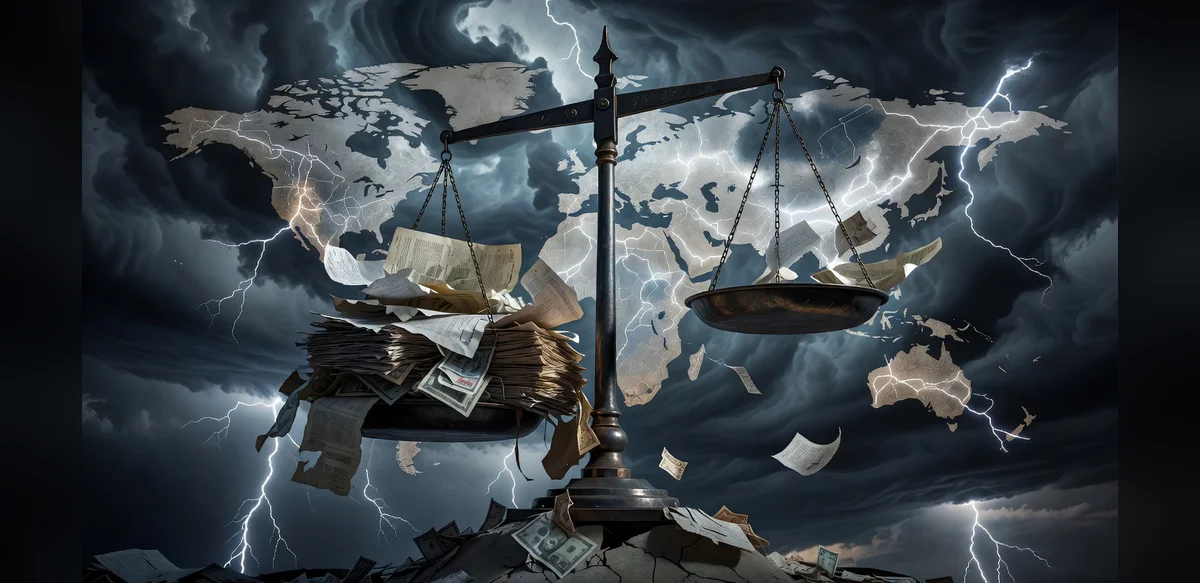
The United States has announced plans for additional economic sanctions aimed at encouraging Iran to resume negotiations following a period of conflict. Officials indicated that the measures are intended to apply renewed pressure on the Iranian economy. Iran has endured multiple rounds of similar restrictions over many years, raising questions about the potential impact of further actions described by some as an era of intensified economic measures.
Analysts note that past sanctions have influenced various sectors within Iran, including energy exports and financial transactions. Despite these effects, the country has developed strategies to mitigate some consequences through alternative trade routes and domestic adjustments. The latest proposals come amid ongoing diplomatic efforts to address regional tensions.
Experts emphasize that the effectiveness of sanctions often depends on international cooperation and enforcement mechanisms. Previous waves have involved restrictions on oil sales, banking access, and technology transfers. It remains uncertain how the newest set of measures will alter the current situation or influence talks between the involved parties.
The announcement has prompted reactions from various governments and organizations monitoring the developments. Some observers suggest that sustained economic pressure could lead to renewed discussions, while others highlight the resilience shown by Iran in previous instances. The situation continues to evolve as details of the sanctions are finalized and implemented.
In the broader context, such economic tools have been used in numerous international disputes to achieve policy objectives. Their application here reflects a strategy focused on financial leverage rather than direct confrontation. Monitoring bodies will likely track changes in trade volumes and economic indicators in the coming months.
Public statements from both sides indicate a willingness to engage under certain conditions, though significant gaps persist in expectations. The coming period may reveal whether the additional sanctions accelerate or hinder progress toward dialogue. Independent assessments will be important for understanding any shifts in the economic landscape.
Overall, the move underscores the complex interplay between economic policy and diplomatic relations in the region. As more information emerges, stakeholders across multiple sectors will assess implications for stability and future interactions. The focus remains on observing outcomes without assuming immediate results from the announced measures.


