


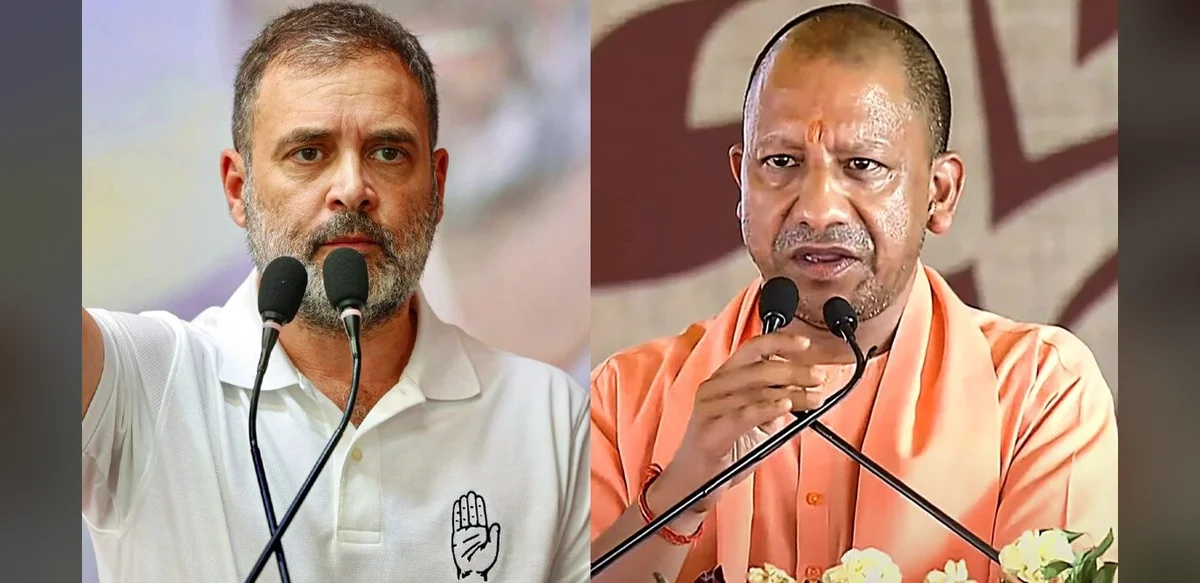
In a recent public address, the chief minister of Uttar Pradesh raised concerns about remarks made by a senior opposition leader regarding an ancient Indian text. The comments centered on the Manusmriti and sparked a debate about cultural heritage and historical interpretations.
The chief minister argued that questioning or seeking to alter foundational elements of Indian tradition could undermine the nation’s cultural roots. He emphasized the importance of preserving historical texts as part of the country’s identity, suggesting that such discussions should not lead to efforts aimed at diminishing their significance.
The opposition leader had earlier highlighted certain aspects of the Manusmriti during a campaign event, describing them as outdated and calling for reflection on social structures mentioned in the text. This prompted the response from the ruling party figure, who framed the remarks as an attack on broader Indian heritage.
Observers note that references to ancient scriptures often surface in political discourse, particularly around issues of social reform and tradition. The Manusmriti, composed centuries ago, has been cited in various contexts related to law, ethics, and societal norms in historical Indian literature.
Supporters of the chief minister echoed the view that heritage should be respected and not subjected to selective criticism that might erode national pride. They pointed to the text’s role in understanding ancient governance and philosophical thought, even if some provisions are no longer applicable in modern times.
On the other side, representatives from the opposition maintained that open discussion about historical documents is essential for addressing contemporary social challenges. They argued that critiquing specific elements does not equate to rejecting the entirety of India’s cultural legacy.
The exchange occurred ahead of upcoming electoral activities in several states, where topics of identity, history, and policy frequently intersect. Analysts suggest such debates may influence voter perceptions on cultural matters.
Political commentators have observed that both sides are positioning themselves on issues of tradition versus progress. The ruling party appears focused on defending established cultural symbols, while the opposition seeks to highlight areas for social evolution.
No formal policy changes have been proposed in connection with the remarks. The discussion remains largely rhetorical at this stage, with leaders using the opportunity to appeal to their respective bases.
Public reaction has been mixed, with some citizens expressing support for preserving ancient knowledge and others advocating for critical examination of texts that may contain provisions conflicting with current values of equality.
Educational institutions and cultural organizations have occasionally addressed the Manusmriti in academic settings to provide historical context. Experts recommend studying such works alongside other ancient sources to gain a balanced perspective on India’s past.
The episode underscores ongoing tensions in Indian politics regarding the role of history in shaping present-day narratives. Leaders from various parties continue to reference classical texts when discussing national identity and social policy.
As the conversation develops, it is expected that additional statements may emerge from both camps. The focus remains on how interpretations of heritage influence political messaging and public opinion.
This incident reflects broader patterns where cultural references become points of contention during election cycles. Maintaining a factual and respectful dialogue on such topics could help clarify positions without escalating divisions.
In summary, the chief minister’s remarks highlight a commitment to safeguarding perceived cultural assets, while the opposition leader’s comments call attention to aspects needing reevaluation. The exchange adds to the dynamic landscape of political debate in the country.

