

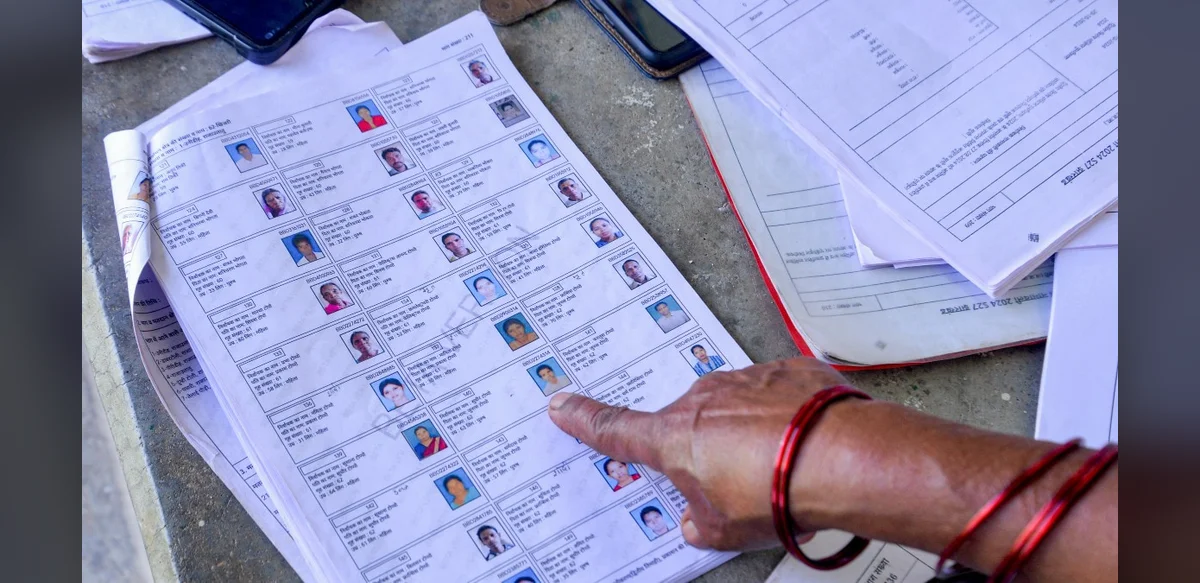
The final electoral roll in Uttarakhand has recorded a reduction of approximately eight lakh names following the completion of the special intensive revision exercise. Authorities released the updated figures showing the total number of voters now stands at around seventy one lakh fifty eight thousand. The revision aimed to ensure accuracy and remove ineligible entries from the voter database.
Officials described the process as a routine update conducted to maintain the integrity of the rolls ahead of upcoming electoral events. Booth level officers carried out door to door verification and cross checked records with multiple government databases. The exercise resulted in deletions primarily due to migration deaths and duplicate entries.
The Congress party has questioned the scale of the reduction and called for greater transparency in the deletion process. Party representatives stated that many genuine voters may have been excluded without proper notice or opportunity to appeal. They demanded a detailed breakdown of the reasons behind each deletion and an independent review of the revised list.
State election authorities maintained that all deletions followed established procedures and that affected individuals retain the right to file claims for inclusion. They noted that the revision aligns with guidelines issued by the Election Commission of India to keep voter lists current and error free.
Political observers point out that such revisions often generate debate between ruling and opposition parties especially when the numbers show significant shifts. Accurate voter rolls remain essential for fair elections and public trust in the democratic process.
The updated rolls will now serve as the basis for the next round of polling in the state. Citizens who believe they were wrongly removed can approach designated centers with supporting documents to seek restoration of their names.
Election commission guidelines emphasize that revisions must balance the need for cleanliness with the protection of eligible voters rights. The current exercise in Uttarakhand follows similar efforts conducted in other states over recent years.
Local administrative bodies have been instructed to assist residents in navigating the claims and objections period. This phase allows for corrections before the rolls are finalized for use in any forthcoming elections.
The reduction has sparked discussions on migration patterns within the state and the challenges of maintaining updated records in hilly and remote areas. Officials continue to stress the importance of public participation in future revisions to minimize errors.
Overall the process reflects ongoing efforts to strengthen electoral infrastructure through systematic verification and data management. Both the government and opposition have expressed commitment to ensuring that every eligible citizen can exercise their franchise without hindrance.


