

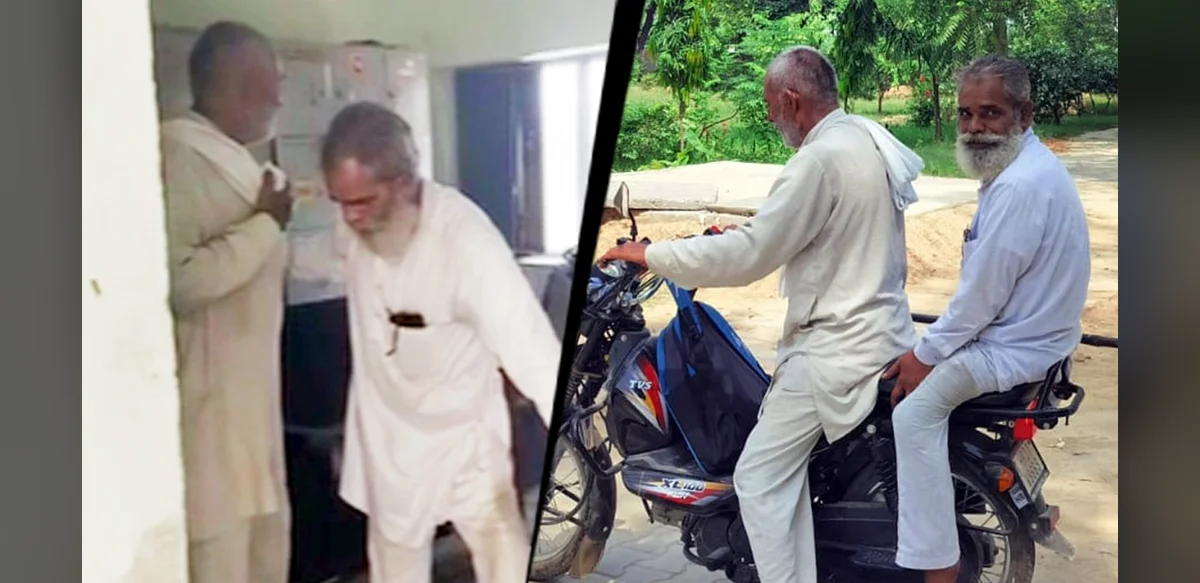
In a quiet village in Jind district of Haryana, a routine administrative verification process has resulted in an unexpected family reunion after more than three decades. The exercise, known locally as SIR verification, brought together two brothers who had lost all contact with each other. One of the siblings had been presumed deceased by relatives for many years.
The verification drive involves cross-checking personal records and household details to update official documentation. During this process, officials identified matching family information that pointed to the survival and current location of the missing brother. The discovery prompted immediate contact between the two men, leading to an emotional meeting at the family home.
Family members described the moment as overwhelming. They had accepted the loss of one brother long ago and had moved forward with their lives. The sudden confirmation that he was alive and residing in a nearby area required time for everyone to process. Neighbors and local residents gathered to witness the event, offering support during the initial hours of reconnection.
The brothers spent several hours sharing details of their separate lives since the separation. Both had established families and pursued different occupations over the years. The verification records clarified how a combination of migration, name variations in documents, and lack of communication channels had kept them apart.
Local authorities involved in the verification noted that such outcomes, while uncommon, highlight the value of thorough record checks. The process aims to ensure accurate data for government schemes and services. In this instance, the update not only corrected official entries but also restored a personal connection.
Community members expressed relief that the family could now rebuild ties. They emphasized the importance of maintaining updated personal information to avoid similar prolonged separations in the future. The event has prompted discussions among villagers about participating fully in ongoing verification efforts.
The reunited brothers have begun planning regular meetings and introducing their respective families. They expressed gratitude to the officials who facilitated the discovery through careful examination of records. The case serves as a reminder of how administrative procedures can sometimes intersect with deeply personal matters.
Further details about the verification drive continue to be shared with residents in the district. Officials encourage anyone with incomplete or outdated records to come forward for review. This approach helps maintain reliable data while occasionally yielding positive personal outcomes like the one observed in Jind.
The story has circulated among nearby villages, drawing attention to the broader benefits of systematic record verification. Families are being urged to cooperate with the exercise to prevent future discrepancies. The focus remains on accuracy and completeness of information for public services.
As the brothers adjust to their renewed relationship, they reflect on the years lost and the opportunities now available for shared experiences. The verification process, intended primarily for administrative purposes, has thus played an unexpected role in personal healing and family restoration in this Haryana community.


