

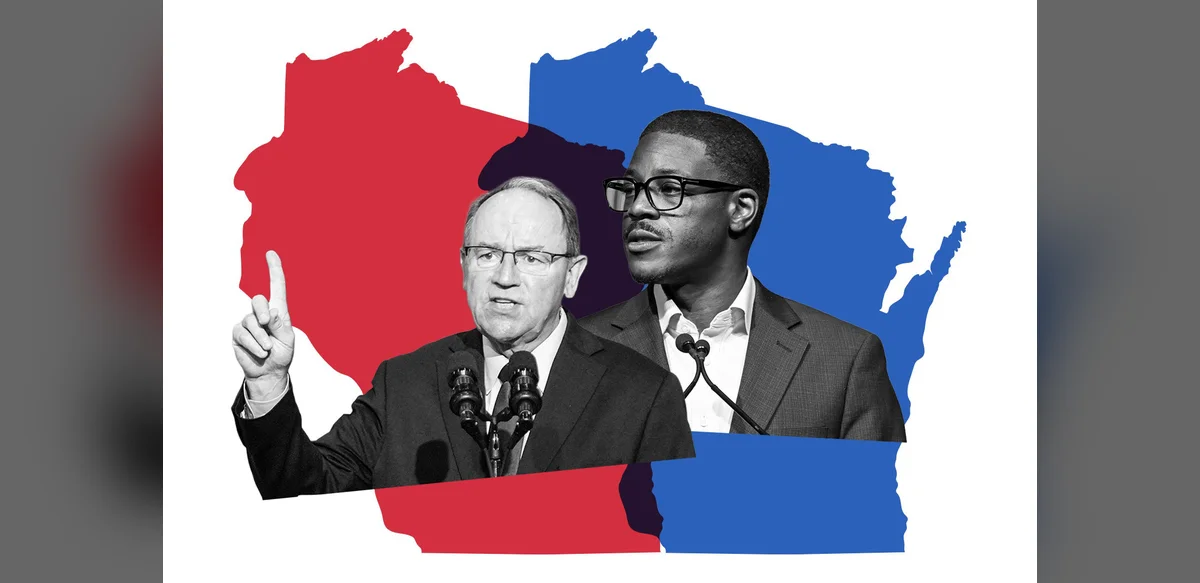
Recent election results from Wisconsin have drawn attention from political observers across the country. A candidate with notably firm stances on key issues secured victory in a contest that some analysts had not anticipated based on prior reporting. The outcome has led to renewed conversations about how voters define and respond to strong ideological positions in state-level races.
Voter turnout played a significant role in shaping the final tally. Participation rates varied across different regions of the state, with higher engagement noted in certain suburban and rural districts. Local issues such as economic development, education funding, and public safety appeared to influence decisions at the ballot box alongside national trends.
Commentators have pointed out that media portrayals of candidates sometimes emphasize particular aspects of their records while downplaying others. In this case, the winning candidate’s background includes advocacy for policies that diverge from mainstream party lines on multiple fronts. Supporters argue these positions reflect genuine concerns held by segments of the electorate, while critics view them as outside acceptable bounds.
Separately, recent public remarks associated with former President Trump have offered a window into potential future policy emphases. Statements highlighted specific categories of individuals or situations that might receive priority attention in any renewed administration. Observers interpret these comments as signals regarding immigration enforcement, regulatory approaches, and federal resource allocation.
Wisconsin has a long history of competitive elections that often serve as indicators for broader national moods. The state’s mix of urban, suburban, and agricultural communities creates a diverse electorate whose preferences can shift based on economic conditions and cultural debates. Past cycles have seen narrow margins decide control of legislative seats and executive offices.
Analysts continue to examine demographic patterns in the latest results. Shifts among independent voters and changes in participation among younger age groups received particular scrutiny. Data from county-level reporting showed variations that may inform strategies for upcoming contests at both state and federal levels.
The interplay between state races and national figures remains a central theme in coverage. Candidates frequently address local concerns while also navigating associations with prominent national leaders. This dynamic can affect fundraising, volunteer mobilization, and media attention throughout a campaign cycle.
Public health measures, infrastructure projects, and workforce development programs featured prominently in candidate platforms during the recent cycle. Voters weighed these proposals against concerns over taxation and government spending. The resulting policy directions will likely influence state budgets and legislative agendas in the months ahead.
Election officials reported smooth operations at most polling locations despite heightened interest. Security protocols and ballot processing procedures followed established guidelines, contributing to timely result certification. Challenges related to mail-in voting and same-day registration were addressed through routine administrative channels.
Looking forward, the Wisconsin outcome may prompt adjustments in messaging by both major parties. Internal reviews often focus on identifying voter priorities that were effectively addressed or overlooked. Such assessments help shape approaches for subsequent primaries and general elections.
Overall, the week’s developments underscore the complexity of voter decision-making in polarized environments. Multiple factors converge to determine winners, and single-issue interpretations rarely capture the full picture. Continued examination of turnout data and exit polling will provide additional clarity in coming weeks.


