

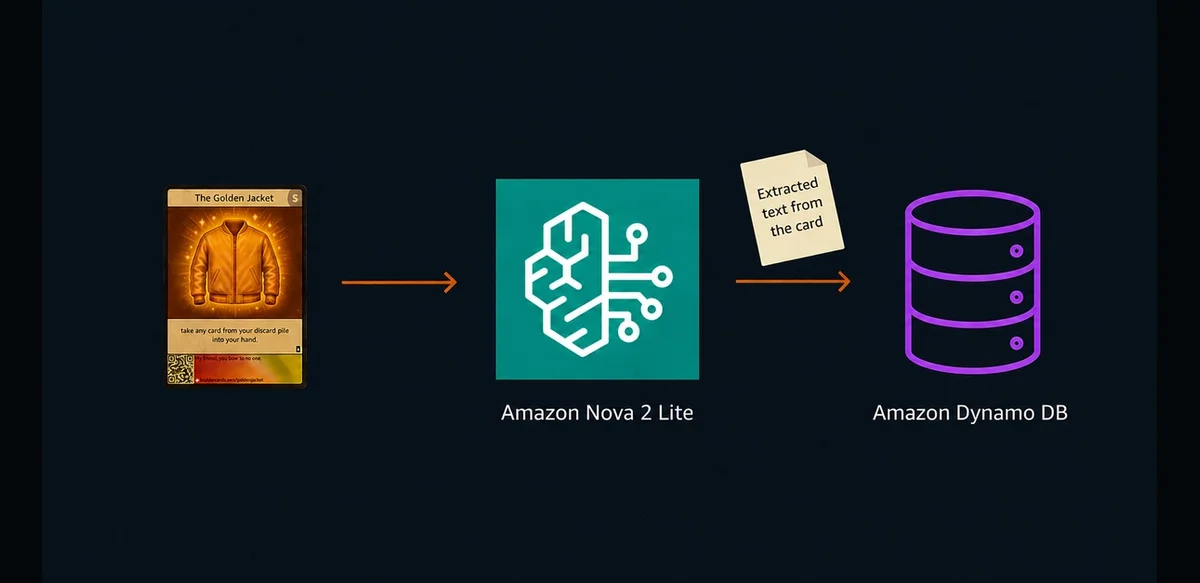
Recent developments in artificial intelligence have introduced efficient tools for processing visual information from everyday items such as identification cards and payment instruments. One such innovation focuses on extracting textual data without the complexities associated with traditional machine learning setups. This approach eliminates the need for managing containers, handling model weights, or dealing with memory constraints, allowing users to focus solely on the core functionality of the system.
The model in question operates as a streamlined solution for optical character recognition tasks. Users interact with it through simple interfaces that prioritize ease of use. By removing infrastructure overhead, the technology enables quicker deployment in various professional environments, including administrative offices and financial institutions where rapid data capture is essential.
In practice, the system processes images of cards to identify and transcribe printed or embossed information. This includes details like names, numbers, and expiration dates. The process occurs in real time, providing outputs that can be integrated into databases or verification workflows. Such capabilities support accuracy in sectors requiring precise record keeping.
Industry observers note that this method reduces operational barriers compared to older frameworks. Previously, implementing similar extraction features demanded significant computational resources and specialized expertise. The new model shifts emphasis toward accessibility, making advanced text recognition available to a broader range of organizations without extensive technical setups.
Testing scenarios have demonstrated reliable performance across different card formats and lighting conditions. The underlying architecture handles variations in print quality and angles effectively. This robustness contributes to consistent results, minimizing errors that could arise during manual entry processes.
Adoption of these tools aligns with broader trends toward automation in data management. Businesses handling high volumes of physical documents benefit from reduced processing times and lower error rates. Integration with existing software platforms further enhances utility, allowing seamless incorporation into daily operations.
Experts highlight the potential for expansion into related applications, such as document digitization and form processing. While the primary focus remains on card-based text extraction, the foundational principles could extend to other visual data sources. Continued refinements may improve speed and precision even further.
Overall, this development represents a step forward in simplifying AI-driven text recognition. By addressing common pain points in model deployment, it opens opportunities for wider utilization across multiple fields. Organizations seeking efficient solutions for information capture may find this approach particularly advantageous in streamlining their workflows.
Future iterations could incorporate additional features to handle multilingual text or more complex layouts. As the technology matures, its role in supporting digital transformation efforts is expected to grow. This evolution underscores the ongoing progress in making sophisticated tools more practical for everyday professional use.
The emphasis on minimal resource requirements also promotes sustainability in computing practices. Reduced demands on hardware contribute to lower energy consumption during operation. Such considerations are increasingly relevant in discussions about responsible technology development.
In summary, the introduction of this model provides a practical alternative for text extraction needs. Its design prioritizes simplicity and effectiveness, addressing key challenges in the field. As more users explore its capabilities, the impact on efficiency in data handling is likely to become more evident across industries.


