


Modern software development relies heavily on well-structured application programming interfaces to enable seamless communication between different systems. REST APIs in particular have become a standard approach for building scalable web services. However, maintaining accurate and up-to-date documentation for these interfaces often presents ongoing challenges for development teams.
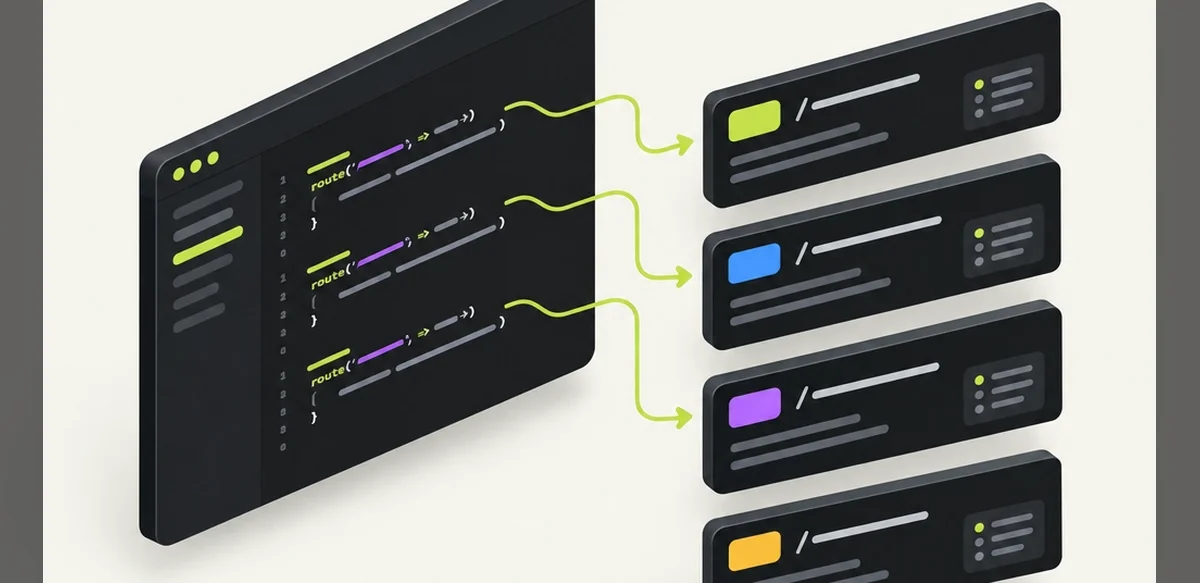
A new approach involves using an artificial intelligence coding agent to analyze existing source code and generate initial drafts of documentation for each endpoint. This process begins with the agent examining the codebase to identify available routes, request methods, parameters, and response formats. Once the drafts are produced, human reviewers examine the output for accuracy and completeness.
Following the review stage, developers can conduct tests to verify that the documented behavior matches the actual implementation. Any discrepancies are corrected before the final version is prepared. The completed documentation can then be published as an interactive reference that allows users to explore endpoints, view examples, and understand usage patterns without needing to inspect the underlying code directly.
This workflow aims to reduce the time traditionally spent on manual documentation tasks while still preserving human oversight for quality control. Teams working on large projects may find the method helpful for keeping records consistent as code evolves over multiple iterations.
The interactive reference format offers additional advantages by presenting information in a navigable structure. Users can search for specific endpoints or filter results based on categories such as authentication requirements or data formats. Such features support both internal team members and external partners who need to integrate with the API.
Overall, combining automated drafting with structured review and testing steps provides a balanced method for producing reliable API documentation. As development practices continue to advance, similar techniques may see wider adoption across various programming environments.

