

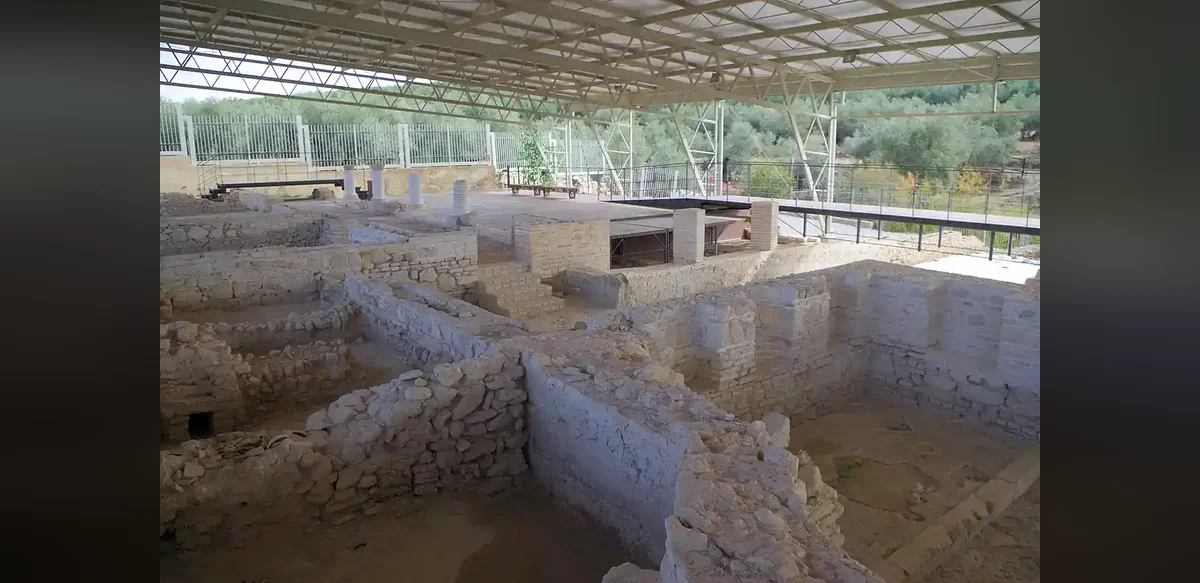
Archaeologists working at a Roman villa site in Iberia have reexamined a chamber previously interpreted as a shrine. Their analysis now points to it functioning as a library, potentially the earliest known example in the region.
The room features a series of recessed niches along the walls, sized appropriately for storing scrolls or codices. These architectural elements differ from typical shrine designs, which usually include altars or religious iconography. Instead, the layout aligns more closely with documented Roman libraries from other parts of the empire.
Excavation records indicate the villa dates to the first or second century CE. Researchers noted the absence of sacrificial remains or devotional objects that would support the shrine hypothesis. In their place, fragments of writing materials and storage fittings were recovered, supporting the new identification.
Roman libraries often occupied quiet sections of elite residences. They served as spaces for reading, copying texts, and scholarly discussion. The Iberia example adds to evidence of widespread literacy and cultural exchange across the empire’s western provinces.
Comparative studies with libraries in Rome, Herculaneum, and North Africa reveal similar niche arrangements and ventilation features. Such designs helped preserve delicate materials from moisture and pests. The Iberian room shares these practical characteristics.
The reclassification carries implications for understanding daily life in Roman Iberia. It suggests that private collections of literature existed outside major urban centers. This challenges earlier views that intellectual pursuits were concentrated in Italy or the eastern provinces.
Fieldwork continues with non-invasive techniques including ground-penetrating radar and photogrammetry. These methods aim to map additional rooms without disturbing the structure. Future seasons may uncover more context about the villa’s occupants and their reading habits.
Scholars emphasize that the finding remains provisional. Additional evidence could refine or alter the interpretation. Peer-reviewed publication is expected later this year, allowing broader academic scrutiny.
Public interest in the site has grown following preliminary announcements. Local heritage authorities are considering controlled access for educational tours once conservation measures are complete. The discovery underscores the value of revisiting earlier interpretations with fresh analytical tools.
Overall, the project highlights ongoing advances in classical archaeology. Systematic re-evaluation of known sites continues to yield new insights into ancient societies. In this case, a single room offers a window into the intellectual landscape of Roman Iberia.


