

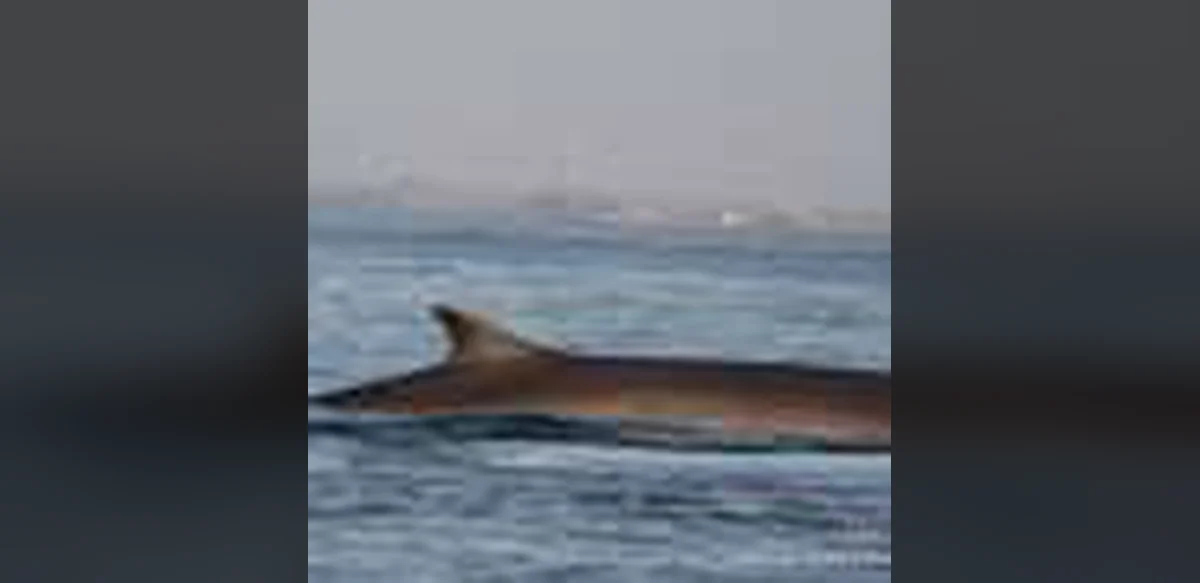
More than 40 years after commercial whaling ended, new research shows a recent rise in sightings of the world’s two largest whale species in the southeastern Atlantic. Published in the African Journal of Marine Science, the study reviewed over 60 years of verified sightings and strandings along Namibia and South Africa’s west coast. Although overall numbers stay low, 95 percent of observations occurred since 2012.
Lead author Dr. Bridget James of the University of Cape Town noted that the data indicate these ocean giants are slowly recovering from 20th-century whaling that nearly drove them to extinction. Sightings remain uncommon but have become more frequent, and continued protection could support further gains.
The research examined Antarctic blue whales and fin whales, both heavily hunted from 1913 to 1978, when roughly 350,000 blue whales and 725,000 fin whales were killed. Antarctic blue whales remain critically endangered with populations at about 3 percent of pre-whaling levels and growing 5 to 8 percent yearly. Fin whales are listed as vulnerable, having reached over 30 percent of historic numbers and increasing 4 to 5 percent annually.
Data gaps persist because both species travel widely and spend much time in remote Antarctic waters. The study compiled records from 1964 to March 2025 in the Benguela upwelling ecosystem. Blue whales appeared in 12 sightings, one stranding and five other reports, mostly from late spring to autumn. Fin whales had 76 sightings and six strandings and were seen year-round.
Co-author Dr. Simon Elwen said the rise in records aligns with gradual reoccupation of historic ranges, though greater observation effort may also play a role. The authors stressed that recovery is incomplete and that ship strikes, fishing gear, noise, pollution and climate shifts still threaten the animals. They noted that even after more than 50 years, only limited blue whale records exist off the coast.


