


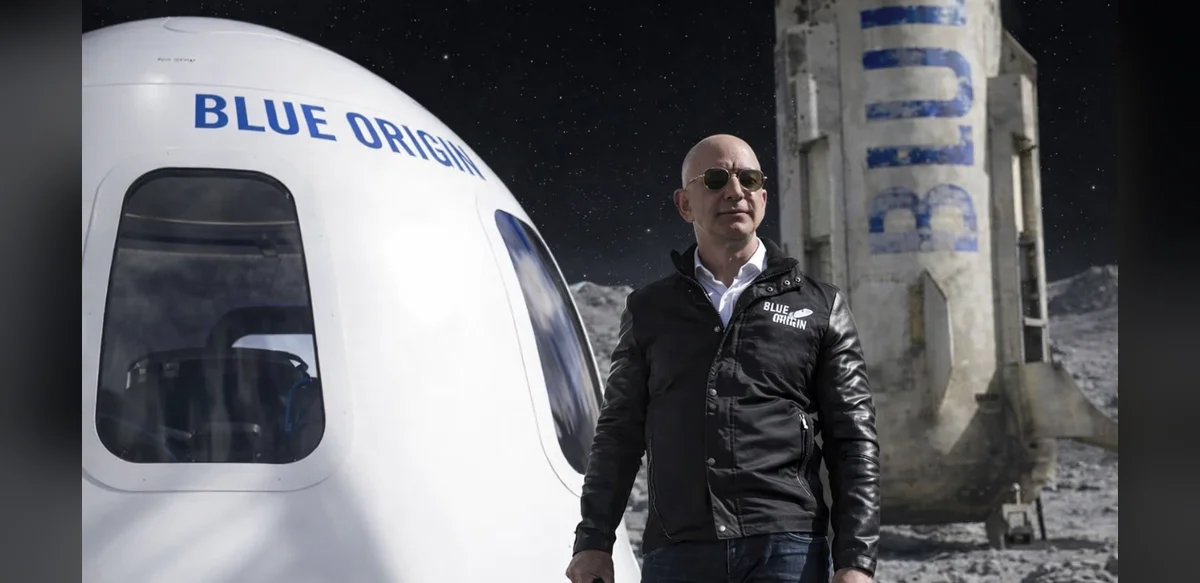
A recent mishap with Blue Origin’s New Glenn rocket has sparked concerns about potential delays in NASA’s Artemis program, despite the agency’s lack of direct involvement. The heavy-lift vehicle launched successfully but failed to position a commercial satellite into the proper orbit, resulting in the payload’s loss. Although this incident does not immediately jeopardize NASA’s goals for human lunar landings, it adds uncertainty to a program already facing tight deadlines for returning people to the Moon this decade.
The launch from Cape Canaveral started smoothly, with the booster stage landing successfully on an ocean barge. However, the key goal of deploying a communications satellite from AST SpaceMobile was not met. Analysis showed the satellite entered an orbit too low for functionality, leading to its confirmed loss. These issues often stem from problems in the upper-stage engine firing, where exact speed and height are essential.
The Federal Aviation Administration is overseeing an ongoing probe, and the rocket is sidelined until the review concludes.
While NASA had no role in this flight, the effects reach its Artemis initiative. Blue Origin is tasked with creating a human landing system to ferry astronauts from lunar orbit to the surface, partly depending on New Glenn for operations. Setbacks in certifying or relaunching the rocket could hinder lander development and testing. The Artemis missions require synchronized elements like spacecraft, rockets, and landers, so delays in one area can affect the whole plan.
NASA aims for the first crewed lunar landing under Artemis later this decade. Artemis III will mainly use SpaceX systems, with Blue Origin’s lander supporting later efforts and ongoing Moon activities. Thus, this failure does not directly endanger the initial landing but influences the overall schedule and NASA’s aim for a lasting human presence on the Moon. The agency depends on various commercial partners to minimize risks and enhance options, a strategy weakened by issues at one provider.
Choosing multiple companies like SpaceX and Blue Origin helps avoid over-reliance on one entity, vital in programs prone to setbacks. If Blue Origin’s progress slows, NASA might lean more on a single source, heightening program risks. Additional delays in other areas, such as rockets, vehicles, or suits, could complicate sticking to the timeline without a ready alternative.
Such incidents usually lead to thorough probes, including identifying causes, redesigning parts, and extra tests. FAA oversight ensures New Glenn stays grounded until safety is confirmed. For Blue Origin, this poses technical and image challenges. For NASA, it highlights the hurdles in one of the boldest space efforts since Apollo. While the lunar landing remains feasible, meeting deadlines hinges on Blue Origin’s swift fixes and continued advancement.
As NASA advances toward Moon returns, Artemis success relies on the reliability of its supporting network, not just individual flights. Blue Origin’s future actions will draw close attention from the sector and program stakeholders shaping human space travel.

