

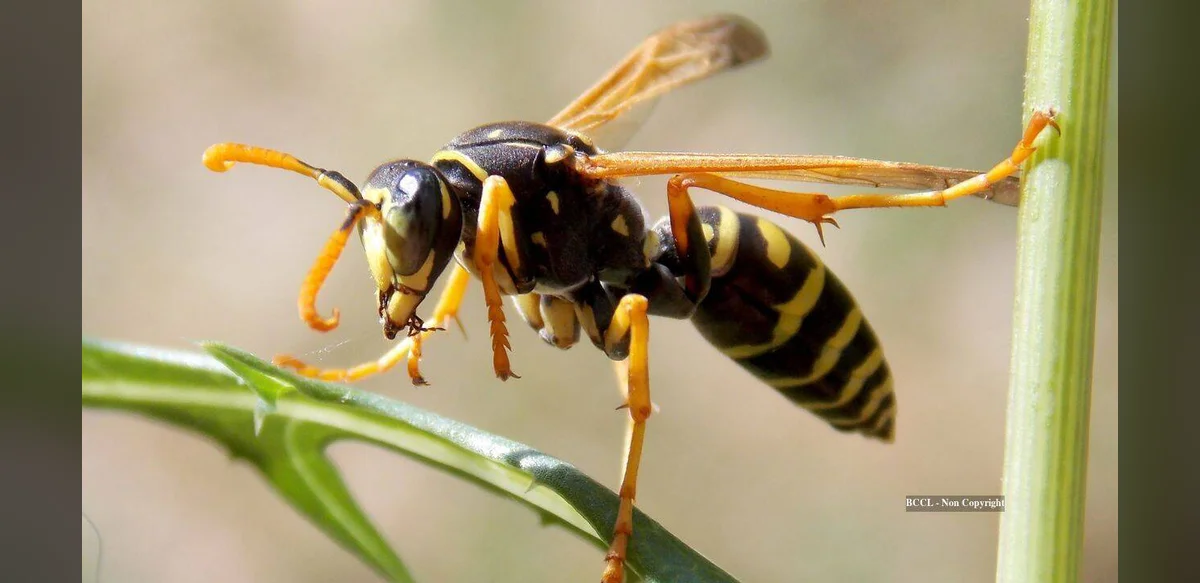
Britain is experiencing an unusually low number of wasps this summer, prompting concern among entomologists and naturalists who are finding it difficult to locate the insects for ongoing studies. Experts note that the decline appears more pronounced than in previous years, with sightings reported at significantly reduced levels across various regions.
Weather patterns are believed to play a central role in the current scarcity. Prolonged periods of wet and cool conditions during the spring nesting season likely disrupted the establishment of new colonies. Wasps, which are highly sensitive to temperature and moisture, require stable environments to build and maintain their nests successfully.
Researchers have turned to citizen science initiatives to gather broader data on wasp populations. Volunteers across the country are encouraged to report any observations, even negative ones, to help build a clearer picture of the trend. These efforts aim to distinguish between temporary fluctuations and longer-term shifts influenced by climate variability.
The absence of wasps carries implications for local ecosystems. As predators of other insects, wasps help regulate populations of aphids and caterpillars that can damage crops and garden plants. Their reduced presence may lead to increased pest activity, affecting both agricultural yields and private gardens.
Ecologists emphasize that wasps also contribute to pollination, although they are less efficient than bees in this role. A sustained drop in numbers could alter the balance of insect communities and influence plant reproduction in certain habitats.
Monitoring programs continue throughout the summer months. Teams are deploying traps and conducting field surveys in both urban and rural settings to quantify the extent of the decline. Preliminary results suggest the trend is widespread rather than localized to specific counties.
Public awareness campaigns have been launched to encourage safe reporting practices. Residents are advised not to disturb potential nesting sites and to avoid using chemical sprays that could further harm remaining colonies. Education materials highlight the beneficial aspects of wasps despite their reputation as pests.
Historical records indicate that wasp populations naturally vary from year to year. However, the current season stands out for its severity, leading some scientists to investigate possible connections with broader environmental changes, including shifts in land use and pesticide application.
Further analysis will be required before definitive conclusions can be drawn. Researchers plan to compare this summer’s data with long-term datasets maintained by universities and wildlife organizations. Such comparisons may reveal whether the scarcity represents an anomaly or part of a recurring cycle.
In the meantime, the scientific community continues its fieldwork with adjusted expectations. The focus remains on accurate documentation and understanding the factors that influence wasp abundance. Continued public participation is viewed as essential to the success of these investigations.
Overall, the situation underscores the importance of ongoing environmental monitoring. By tracking insect populations closely, experts hope to identify emerging patterns early and inform conservation strategies that support biodiversity across Britain.


