

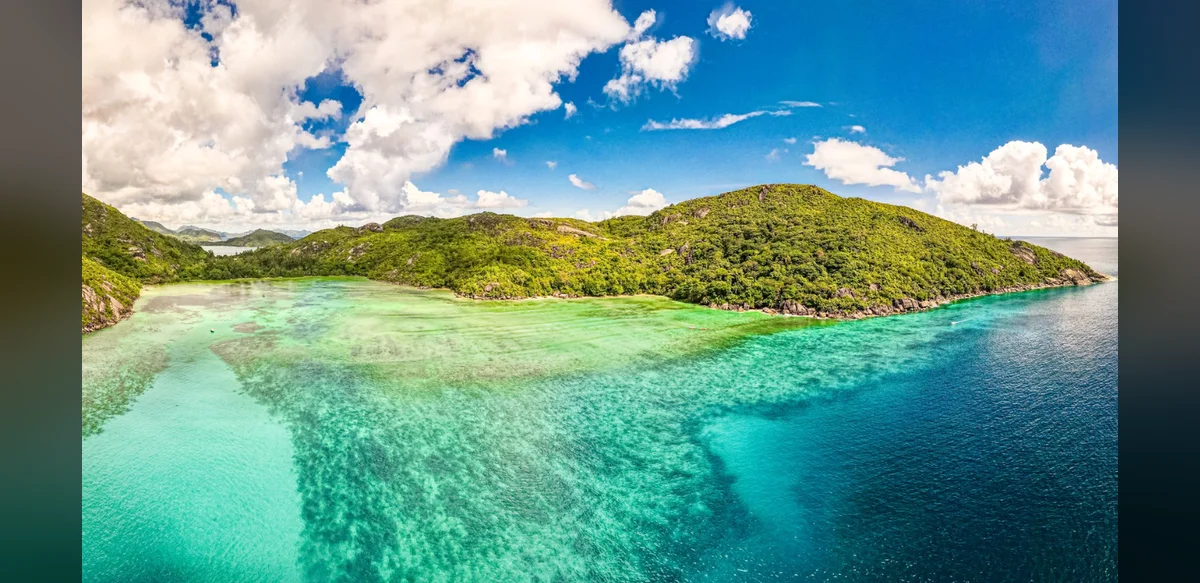
In 1987 British naturalist Ian Bullock reached isolated Aride Island in the Seychelles as its initial professional warden. Within a year the base he set up supported a key conservation effort when 29 endangered Seychelles warblers were relocated there to form a second group and reduce extinction risk. Bullock’s early efforts appear in his Guardian obituary while details of the transfer were issued by Cambridge University Press in Bird Conservation International and records are kept by BirdLife International. Before the move the global population of the Seychelles warbler existed only on Cousin Island after dropping to 26 individuals. Relocating some birds lowered the chance that disease or disaster would eliminate the species. Aride had been cleared of non-native predators making it suitable for the new group. As the first warden Bullock monitored wildlife mapped habitats trained staff prevented poaching and handled visitors. His obituary notes that these steps created stable conditions for larger projects. Detailed surveys and habitat work were essential before moving the insect-eating birds. From 23 to 29 September 1988 the 29 adults sixteen males and thirteen females were carried by boat from Cousin to Aride and fitted with colored rings for tracking. The effort succeeded and the population has grown beyond 3,000 birds across several islands with the species removed from highest threat levels according to BirdLife International and studies in Bird Conservation International. Bullock worked 25 years for the Royal Society for the Protection of Birds managing reserves across the United Kingdom and surveying threatened species. He died of melanoma in March 2025 aged 73. He later co-authored and illustrated Birds of the Seychelles in the Princeton Field Guide series. Colleagues noted his fieldwork helped shape methods now common in island conservation. The Aride project demonstrated that moving concentrated populations can lower extinction risk and similar steps have been taken elsewhere in the Seychelles. Born in Cambridge he studied zoology at Bangor University began work in Africa with Voluntary Service Overseas in Kenya and the Wildlife Conservation Society of Zambia joined the RSPB in 1978 and managed reserves including Ramsey Island Coll and Fetlar. On Ramsey from 1993 to 2003 he led rat removal to aid Manx shearwaters and on Coll supported corncrake recovery plans. From 1990 he guided trips for Lindblad Expeditions and Noble Caledonia to the Arctic Antarctic and Pacific and Atlantic oceans. A skilled artist his seabird and marine mammal drawings appear in publications and support charity fundraising. His Aride role formed part of a long career whose foundation aided one of the Seychelles most successful bird recoveries.


