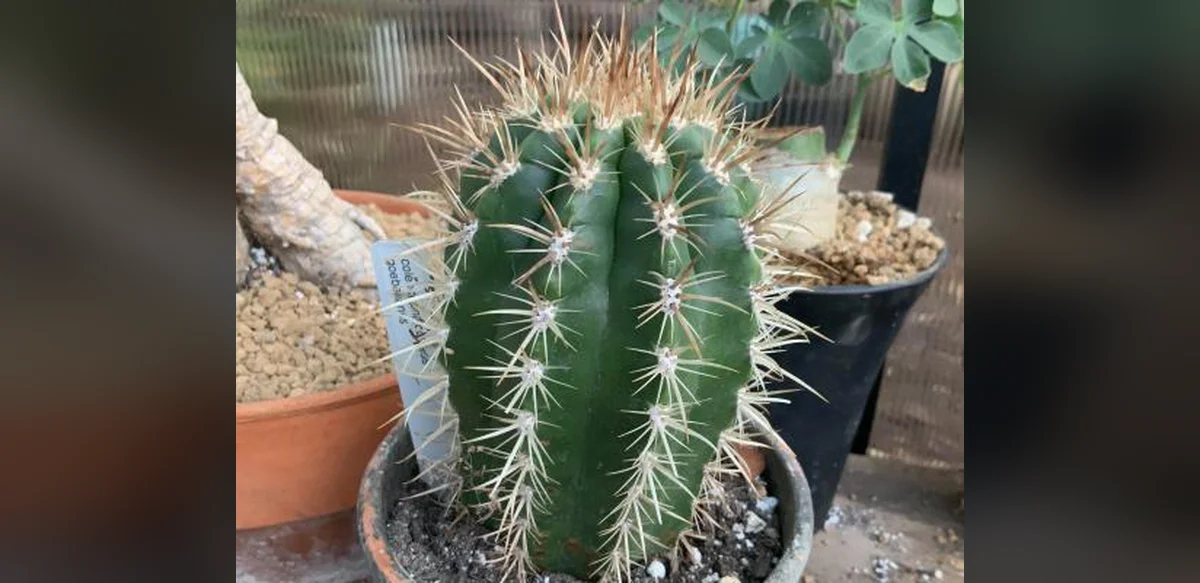
Certain flowers attract bats for pollination by emitting odors resembling fermented fruit, cabbage, garlic, or urine. However, one type of cactus draws bats by functioning as a sound signal. Bats emit ultrasonic calls, inaudible to people, and rely on returning echoes to navigate and locate items in darkness. Numerous cacti in eastern Brazil open their blooms after dark and depend on bats for pollination, though some lack any aroma. The species Coleocephalocereus goebelianus develops a fuzzy, hat-like formation called a cephalium close to its flowers. This structure directs the bats’ ultrasound toward the bloom, and its thick composition might minimize surrounding echoes, enhancing echolocation precision. The plant grows high above nearby vegetation, further improving its sound clarity. Similarly, some meat-eating pitcher plants aid bats in echolocation with curved, bowl-shaped entrances that bounce back bat sounds, assisting the animals in finding the plants. Bats rest within these pitchers, and their waste provides nutrients to the plant.