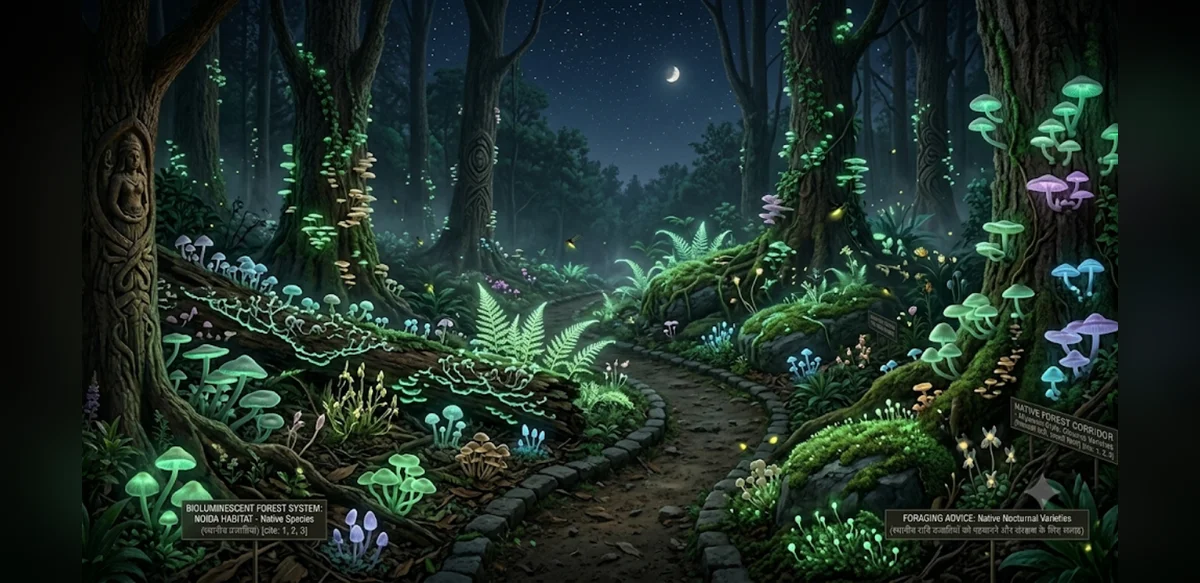
Chinese scientists have developed plants that emit light after dark without using electricity. The work combines biotechnology, materials science and plant engineering to produce living organisms that glow through natural processes. Researchers introduced a fungal bioluminescence pathway into several plant species, allowing them to generate a soft light as part of their metabolism. More than six species, including tobacco, Arabidopsis, dahlia, rose, periwinkle and petunia, have been modified to produce visible light. The approach uses biochemical reactions similar to those in fireflies and luminous fungi, relying on compounds already present in plants. A separate study from Zhejiang University created multicolour luminescent succulents by embedding tiny phosphor particles that store energy from sunlight or LEDs and release it over about two hours. A wall of 56 such succulents produced enough light to read by in darkness. Scientists aim to use these plants for low-energy lighting in parks, gardens and public spaces, reducing reliance on conventional electricity. Current versions give off limited brightness, and work continues on increasing intensity and stability. Future applications may include botanical displays, landscape features and environmental monitoring systems. While glowing forests like those in fiction remain distant, the research shows living plants can serve as renewable light sources while continuing normal growth.