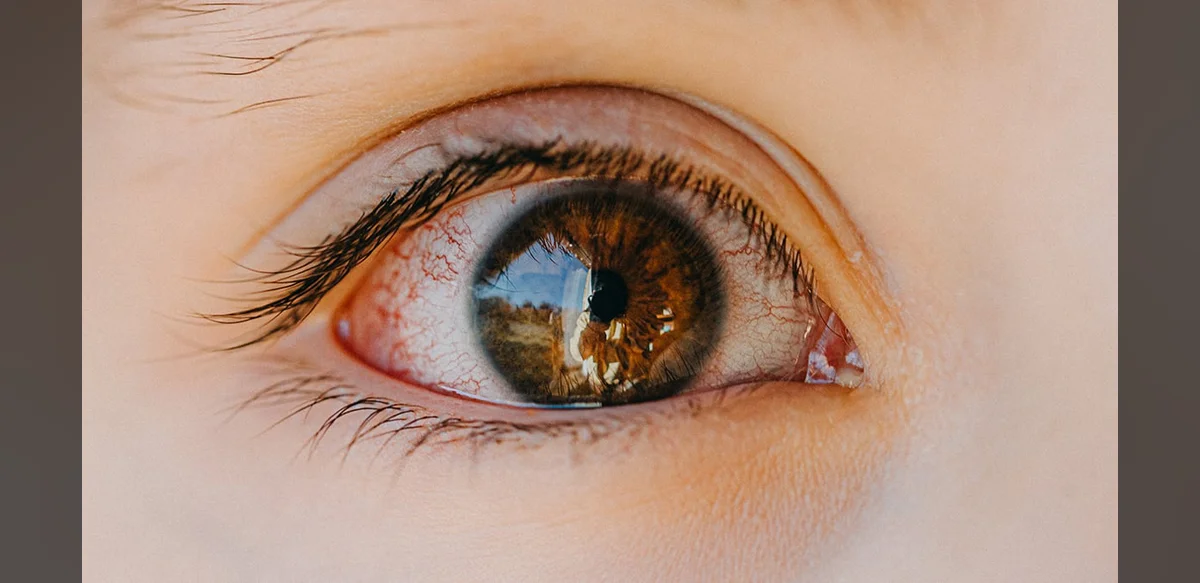
Many people remain unaware of the dangers linked to the Toxoplasma gondii parasite, creating a serious issue according to experts. This organism affects roughly one third of people globally through toxoplasmosis. Although most healthy adults show no signs, certain cases result in severe eye damage or loss of sight. Ocular toxoplasmosis ranks as the leading internal eye infection across the planet. In a recent analysis, specialists contend that toxoplasmosis satisfies World Health Organization standards for designation as a neglected tropical disease. Such status would bring additional resources and programs. Ophthalmologist Justine Smith from Flinders University notes that this condition drives substantial vision loss yet draws little focus in international health plans. Recognition by the WHO could advance efforts to prevent and treat the infection. Transmission occurs via undercooked contaminated meat or contact with parasite eggs in cat waste. It may also pass from newly infected mothers to fetuses, leading to health complications or pregnancy loss. João Furtado from the University of São Paulo emphasizes that while often viewed as unavoidable, the pathways are known and control measures exist. Four criteria define neglected tropical diseases, all met here: concentration in low-income regions, prevalence in tropical and subtropical zones especially South America, potential for prevention, and current lack of attention in funding and policy. Research spending lags behind similar conditions, with no vaccine or standard treatment available. Knowledge gaps persist on overall effects, though estimates indicate around 190,000 infants born with the infection yearly. Severe outcomes cluster in areas with poor healthcare access. Practical steps like better food safety, sanitation, and prenatal services could lessen impacts. A proposed plan calls for cooperation among agencies to enhance screening, medicines, education, and professional training. Designation would channel support into maternal programs, safety systems, and primary care. The authors describe this as an opportunity to close an evident gap in global health equity. The paper appeared in PLOS Neglected Tropical Diseases.