

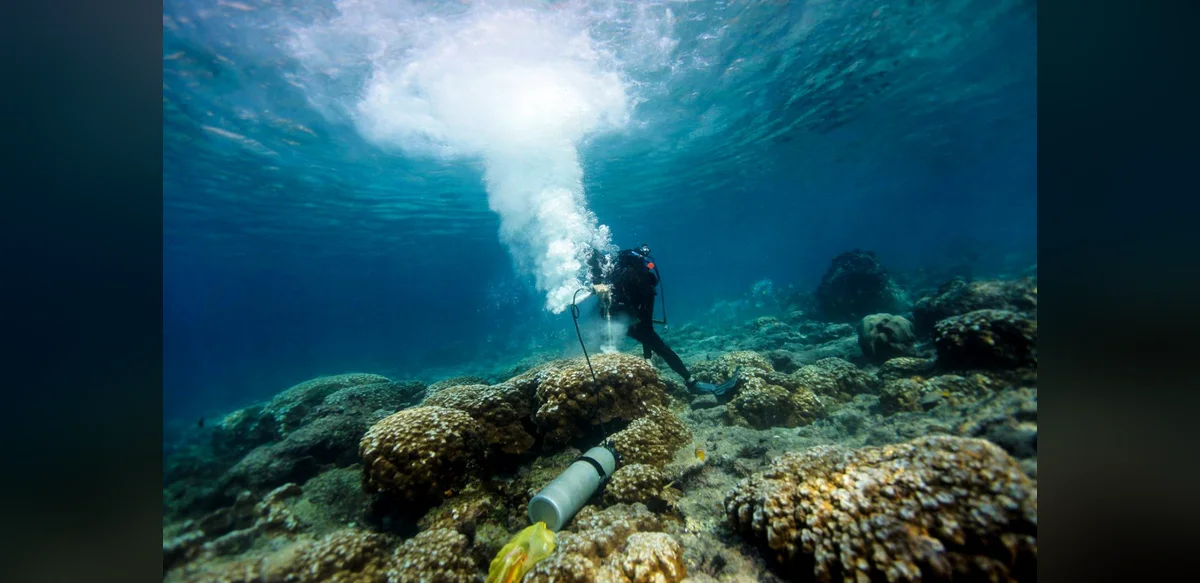
Scientists examining coral formations in the Galapagos Islands have uncovered evidence that El Niño events have grown more intense over the past four decades. This pattern aligns closely with the broader rise in global temperatures observed during the same period.
The research relies on natural archives preserved within coral skeletons. These structures capture chemical signals from surrounding seawater over many years, allowing researchers to reconstruct historical climate conditions. Analysis of samples from the region shows a clear trend toward stronger El Niño episodes, which are known for disrupting weather patterns across the Pacific and beyond.
El Niño refers to a periodic warming of ocean surface waters in the central and eastern Pacific. Such events can lead to heavy rainfall in some areas and severe drought in others, affecting agriculture, fisheries, and ecosystems worldwide. The new findings suggest these oscillations may be amplifying as average planetary temperatures continue to climb.
Researchers collected and studied multiple coral cores from different sites around the islands. By measuring variations in oxygen isotopes and other indicators within the coral layers, they built a timeline extending back several decades. The data reveal that recent El Niño events stand out for their increased strength compared with earlier ones in the record.
This strengthening trend coincides with documented global warming driven by human activities. As greenhouse gas concentrations rise, ocean temperatures increase, potentially altering the dynamics of the El Niño-Southern Oscillation system. The Galapagos coral data provide one of the clearest local signals of this shift.
The implications extend to weather forecasting and climate adaptation strategies. Stronger El Niño events could mean more frequent or severe impacts on vulnerable regions, including changes in rainfall distribution and marine productivity. Policymakers and communities may need to prepare for heightened variability in coming years.
Previous studies have examined El Niño behavior through satellite observations and instrumental records, but these typically cover only the last few decades with limited historical depth. Coral-based reconstructions offer an extended perspective that helps place recent changes in a longer context.
The Galapagos location is particularly valuable because the islands sit in a key area influenced by Pacific Ocean currents. Corals there grow in conditions sensitive to temperature fluctuations, making them effective recorders of El Niño activity. The combination of clear water and consistent growth rates supports detailed analysis of annual layers.
While the coral evidence points to a link between rising temperatures and stronger El Niño events, scientists emphasize the need for continued monitoring. Additional data from other ocean regions will help confirm whether the observed intensification is part of a global pattern.
Future research may focus on refining models that simulate how El Niño responds to ongoing climate change. Incorporating coral-derived records could improve the accuracy of projections for extreme weather events. This approach combines traditional fieldwork with advanced laboratory techniques to extract maximum information from natural archives.
Public interest in these findings stems from the widespread effects of El Niño on daily life. From fisheries in South America to rainfall patterns in Asia and North America, the phenomenon influences economies and environments far from the Galapagos. Understanding its evolving behavior supports better preparedness.
The study underscores the importance of preserving coral ecosystems, which face threats from warming waters and ocean acidification. Healthy reefs not only support biodiversity but also serve as critical tools for climate science. Protecting these environments ensures that such natural records remain available for future investigations.
Overall, the coral data from the Galapagos provide a compelling indication that El Niño events are responding to global temperature increases. As research continues, these insights will contribute to a more complete picture of how climate change is reshaping ocean-atmosphere interactions.


