


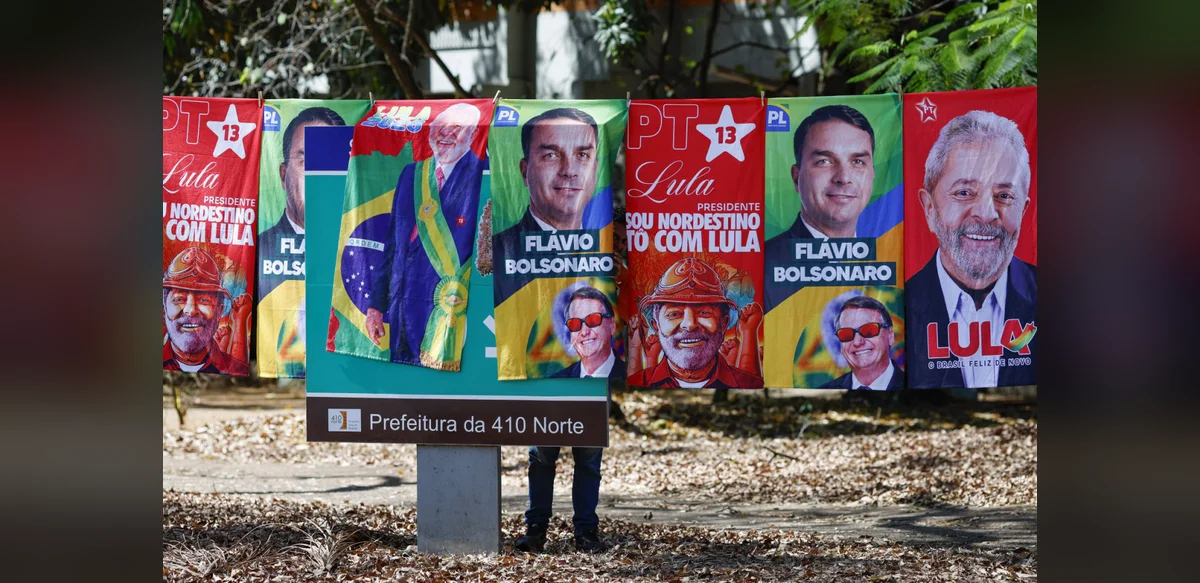
Brazil faces a pivotal general election next month that observers describe as a contest between Luiz Inácio Lula da Silva and Flávio Bolsonaro, the son of former president Jair Bolsonaro. The outcome is viewed by many analysts as carrying significant implications for the long-term management of the Amazon rainforest. The vote comes at a time when global attention remains focused on deforestation rates and conservation policies in the region.
The election is framed by commentators as a choice between two distinct political approaches. One candidate has historically emphasized social programs and environmental protections, while the other represents a continuation of policies associated with expanded agricultural development. Voters across the country will decide which direction receives priority in the coming years.
The Amazon basin plays a central role in discussions about climate stability and biodiversity. Its vast forest cover influences rainfall patterns and carbon storage on a continental scale. Any shift in national leadership could affect enforcement of land-use regulations and international cooperation on conservation efforts.
Political analysts note that the contest has drawn interest from both domestic and foreign observers. The result may influence Brazil’s standing in global environmental forums and its relations with countries that provide funding for rainforest protection initiatives. Campaign rhetoric on both sides has touched on economic growth versus ecological preservation.
Local communities living near the forest boundaries often express concern about how policy changes might impact their livelihoods. Indigenous groups and agricultural producers alike monitor the campaign for signals about future land rights and resource access. The election therefore intersects with broader questions of sustainable development.
Media coverage has highlighted the symbolic weight of the vote for the rainforest’s future. While the immediate focus remains on the two leading figures, the underlying debate centers on balancing economic needs with environmental responsibilities. Turnout and regional voting patterns will help determine the strength of the eventual mandate.
International organizations have called for a transparent process and respect for institutional norms during the campaign period. The election is seen as an opportunity for Brazil to reaffirm its commitments under various climate agreements. Observers will track post-election policy announcements for indications of continuity or change in forest governance.
The coming weeks are expected to feature intensified discussion of these themes across Brazilian society. Public forums, debates, and media interviews will provide platforms for candidates to outline their visions. Ultimately, the electorate will render its decision on which approach best serves national interests, including the stewardship of the Amazon.
In the aftermath, attention will likely shift to implementation of campaign promises. Government agencies responsible for environmental oversight may experience adjustments in funding or priorities depending on the administration that takes office. The rainforest’s trajectory will therefore remain closely linked to political developments in the capital.
This election underscores the connection between democratic processes and natural resource management. As Brazil prepares to choose its next leaders, the Amazon stands as a prominent element in the national conversation about progress and preservation.


