


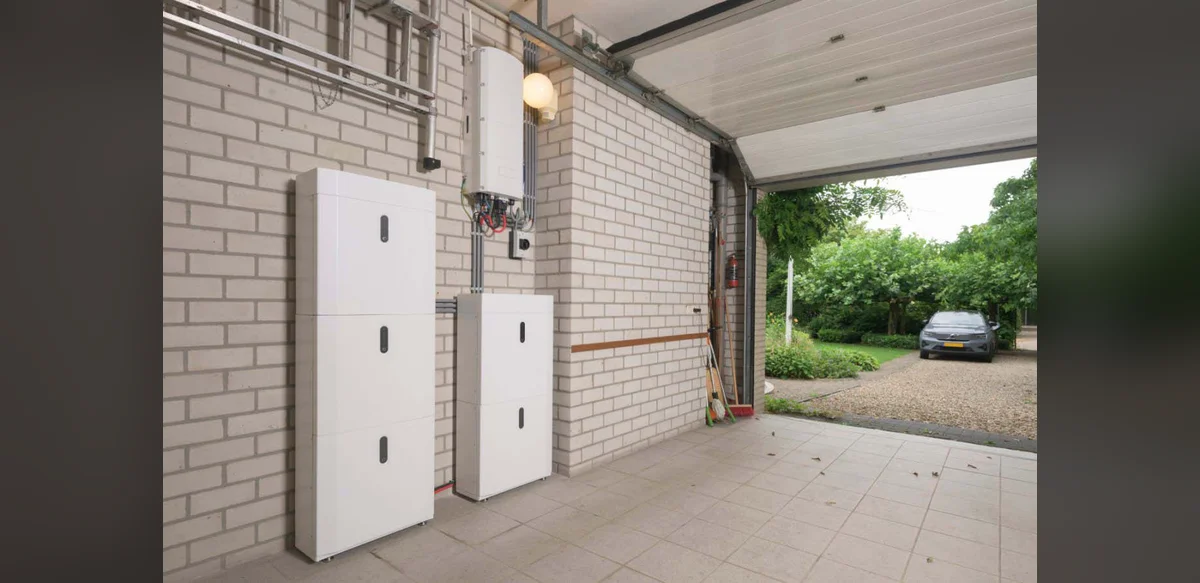
More homeowners are adding batteries to store low-cost electricity, helping stabilize the power grid and lower emissions. Smaller plug-in models expected soon will expand access further.
Batteries charge during cheap periods and discharge to the grid at high-demand times. While rooftop solar often comes to mind for home climate efforts, a compact battery can provide a lower-cost option for both savings and environmental gains.
Battery storage ranks as the fastest-growing power technology worldwide, per the International Energy Agency. Many units pair with solar panels, yet rising energy prices have increased standalone purchases. Several nations now permit simple plug-in home batteries without professional installation.
This shift could broaden adoption significantly, according to Iain Staffell of Imperial College London. Low-cost plug-in units may mirror the impact of rooftop solar.
UK installations for homes and small businesses reached over 40,000 last year, nearly double the prior record. Solar-plus-battery setups rose sharply after energy disruptions and stayed elevated following price cap adjustments. US home battery additions grew 75 percent in 2025 despite slower solar growth. Expansion continues in China and Australia, with Germany reporting over two million units.
On variable tariffs, batteries charge at night or midday for as little as five pence per kilowatt-hour in Britain, then supply homes during evening peaks costing up to 40 pence. Recent heatwaves pushed rates near 50 pence.
Current UK systems average £9400, but a forthcoming plug-in model from Octopus will cost under £300. Shoebox-sized and holding two kilowatt-hours, it suits basic needs like running a fridge and could benefit renters by 2027.
Payback occurs in two to three years, making adoption straightforward, notes Phil Steele of Octopus. Batteries also cut emissions by limiting peak-period use of gas plants. They prove especially useful on high-renewable days when excess energy might otherwise go unused.
Last year Britain paid wind farms £379 million to curtail output. Widespread 5-kilowatt-hour batteries could fulfill national storage targets alongside larger grid projects. As wind and solar shares grow, home storage gains importance for grid balance, Staffell projects.
Manufacturing emissions remain a concern, with each kilowatt-hour of lithium-ion capacity linked to 150-200 kilograms of carbon dioxide equivalent. Recycling systems for end-of-life units are still lacking, though units last at least 12 years.

